Preventing Hair Loss in Females
Introduction
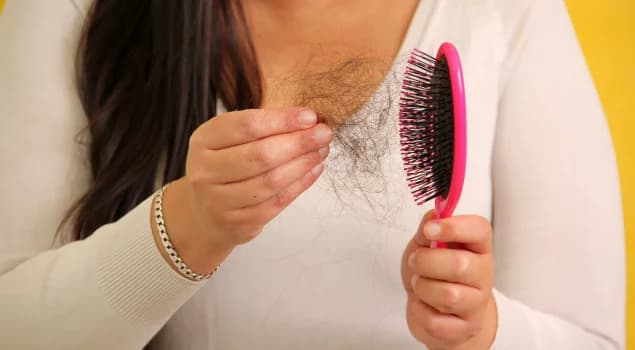
Hair loss in women is more common than you might think. While it’s normal to shed some hair daily, excessive hair loss can be distressing. The good news? There are ways to prevent and slow down hair thinning with the right approach.
Common Causes of Female Hair Loss
Before we discuss prevention, it’s important to know why hair loss happens. Here are some common causes:
- ✔ Hormonal Imbalance: Menopause, pregnancy, or birth control pills can cause thinning.
- ✔ Genetics: Hereditary hair loss (Female Pattern Hair Loss) is common.
- ✔ Nutritional Deficiencies: Lack of iron, vitamin D, biotin, or protein can trigger shedding.
- ✔ Stress & Lifestyle: High stress, poor sleep, and crash diets can accelerate hair loss.
- ✔ Medical Conditions: PCOS, thyroid disorders, alopecia areata, and other issues can lead to hair loss.
Tip: If you’re unsure about the cause, consider consulting a specialist.
How to Prevent Hair Loss in Women
The principles below apply to most adults, regardless of sex. For a more general overview that also covers daily lifestyle factors, see our companion guide on preventing hair loss with everyday habits.
1. Maintain a Healthy Diet
Your hair needs proper nutrients to grow strong. Add these to your diet:
- ✔ Protein: Eggs, fish, chicken, lentils
- ✔ Iron: Leafy greens, red meat, nuts
- ✔ Biotin & Vitamin D: Dairy, mushrooms, seeds
- ✔ Omega-3 Fatty Acids: Salmon, flaxseeds, walnuts
Avoid crash diets,sudden weight loss can cause Telogen Effluvium (temporary hair shedding).
2. Use the Right Hair Products
- ✔ Sulfate-free shampoos: Prevents scalp dryness
- ✔ DHT-blocking ingredients: Look for saw palmetto or ketoconazole
- ✔ Lightweight serums: Avoid greasy products that clog hair follicles
Avoid over-washing,washing hair too often can strip away natural oils.
3. Reduce Heat & Chemical Damage
- 🚫 Heat styling tools (straighteners, curling tongs)
- 🚫 Tight hairstyles (ponytails, buns, braids)
- 🚫 Harsh dyes & chemical treatments
Tip: If you must use heat, always apply a heat protectant spray first.
4. Manage Stress & Improve Lifestyle
- ✔ Reduce stress: Try yoga, meditation, or exercise
- ✔ Improve sleep: Aim for 7 to 9hours per night
- ✔ Scalp massage: Increases blood circulation (use rosemary oil for best results)
Simple lifestyle changes can work wonders for your hair!
5. Consider Hair Loss Treatments
- 🩸 Minoxidil (Topical Solution): FDA-approved for female pattern hair loss
- 🩸 Low-Level Laser Therapy (LLLT): Stimulates regrowth
- 🩸 Prescription Medications: Speak to a specialist
- 🩸 PRP Therapy: Uses platelet-rich plasma for hair growth
Early intervention is key! If your hair is thinning, seek treatment sooner rather than later.
Final Thoughts
Hair loss can be stressful, but you can take control. Whether through diet, lifestyle changes, or treatments, taking early action makes a big difference.
💡 Need expert guidance? We offer personalized hair loss consultations and treatment options.
Want the short version? Read Matthew's Female Hair Loss Cheat Codes for a straight-talking plan: what works, what does not, and what to buy in what order.
See also: Our complete UK hair loss treatment guide covers every option, from over-the-counter to prescription.
Medical reviewer: Dr Ahmad Moussa MB BCh, MSc, MRCS(Eng), MD, FRCS(SN), NHS Neurosurgeon and Hair Transplant Surgeon.
Published: . Last updated: . Last reviewed: . All prescription medications are dispensed by a GPhC registered UK partner pharmacy.
Disclaimer: this page is for general information only and does not constitute medical advice. Prescription treatments are not appropriate for everyone. Prescription only treatment is supplied only where a UK registered prescriber judges it clinically appropriate after reviewing your online medical questionnaire.
Related Articles
Topical Melatonin for Hair Loss UK Guide
29 Sept 2026
Spironolactone for Hair Loss UK: The Complete Guide
29 Sept 2026

Best Age for a Hair Transplant: Is It Too Early or Too Late?
15 Feb 2025
How Much Does a Hair Transplant Cost in the UK?
15 Feb 2025

Why Do Some Hair Transplants Look Bad? (And How to Avoid It)
15 Feb 2025

Celebrities Who Had Hair Transplants: Before; After
15 Feb 2025