Complete UK Guide
Hair Loss Treatment UK
Every treatment available in the UK, in one place. Tablets, topicals, microneedling and surgery.
Medically reviewed by Dr Ahmad Moussa · GPhC registered UK partner pharmacy · Prescription & Delivery Included
Browse all treatments1. What is hair loss?
Hair loss, or alopecia, affects around two thirds of men by 35 and about 40% of women by 50. Most cases are treatable if you catch them early enough.
The most common pattern, called androgenic alopecia, is driven by genetics and a hormone called dihydrotestosterone (DHT). DHT shrinks hair follicles over time until they no longer produce visible hair. This is what people mean when they refer to “male pattern baldness” or “female pattern hair loss”.
There are also several other types of hair loss that look similar but have very different causes, including stress-related telogen effluvium, autoimmune alopecia areata, and conditions secondary to scalp problems like seborrheic dermatitis. Different causes require different treatments. The first step before any treatment is identifying which type you have.
For a deeper read on identifying types of hair loss, see our guide to types of female hair loss and our overview of how to stop hair loss. If you have only just noticed shedding and are not sure if it is normal cycling or the start of pattern loss, our short guide on am I losing hair? helps you decide.
2. What causes hair loss?
The most common causes we see in clinic:
Androgenic alopecia (pattern hair loss)
The big one. In men, DHT shrinks follicles on the top of the scalp first, which is why the hairline recedes and the crown thins (the Norwood scale). In women it shows up as diffuse thinning across the crown and a widening parting (the Ludwig scale). Treatment for both comes down to blocking DHT, stimulating the follicles directly, or both. That is exactly what our oral and topical medications do.
Telogen effluvium
A sudden increase in shedding, usually triggered by stress, illness, childbirth, crash dieting or thyroid problems. It normally resolves on its own within 3 to 6 months once the trigger is dealt with. Finasteride does nothing for it and is not needed, but topical minoxidil can speed up recovery.
Alopecia areata
An autoimmune condition where the immune system attacks hair follicles, producing well-defined bald patches. Often responsive to topical steroid treatment. See our alopecia areata guide for full detail.
Seborrheic dermatitis and scalp conditions
A dandruff-like inflammation that can drive hair loss as a secondary effect. Treatment focuses on the underlying scalp condition with antifungal shampoos, typically ketoconazole-based.
Nutritional and other factors
Iron deficiency, vitamin D deficiency, thyroid dysfunction, and certain medications can all cause hair shedding. These usually respond to addressing the underlying cause rather than hair-specific treatment.
Treatment options at a glance
A quick reference for the eight core medications, including treatments specifically for women. Full detail in the sections below.
| Treatment | Mechanism | Best for | Avoid if | From |
|---|---|---|---|---|
| Oral finasteride 1mg daily | Blocks Type II 5-alpha reductase. Cuts scalp DHT by ~60%. | First-line for most men with pattern hair loss. | You’re a woman of reproductive age, or planning conception soon. | £10/mo |
| Oral dutasteride 0.5mg daily | Blocks Type I + Type II 5-alpha reductase. Cuts scalp DHT by ~90%. | Men who have plateaued on finasteride or want maximum DHT suppression. | You’re a woman of reproductive age, or planning conception soon. | £20/mo |
| Oral minoxidil 0.25 to 5mg daily | Vasodilator. Stimulates follicles directly. Not anti-DHT. | Men or women who can’t tolerate topical minoxidil, or want simpler dosing. | You take blood pressure or heart medication without GP review. | £15/mo |
| Topical finasteride 0.025% to 0.2% | Same mechanism as oral, but applied locally. Lower systemic absorption. | Men who want DHT suppression with reduced side-effect risk. | You have heavily inflamed scalp conditions. | £23/mo |
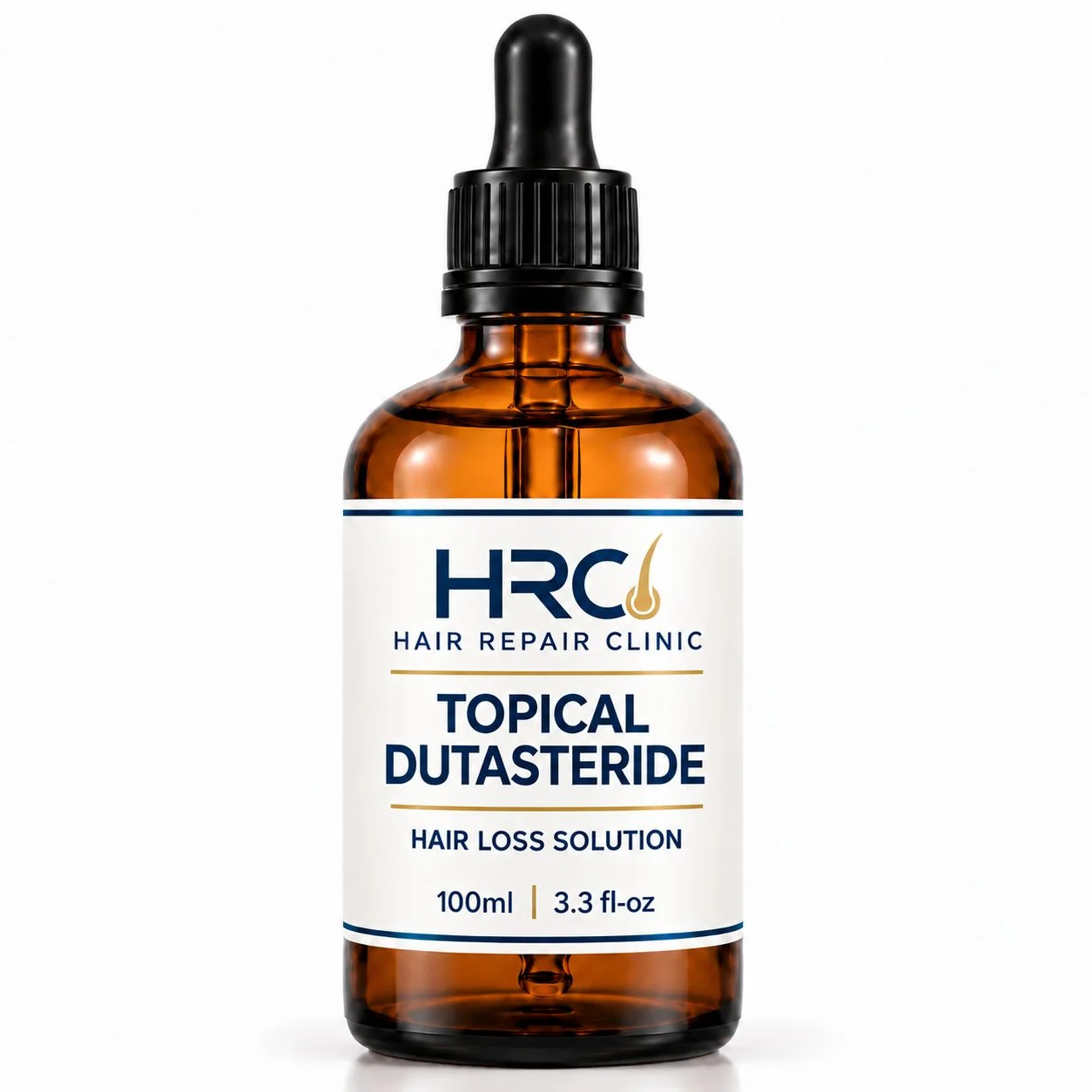
| Topical dutasteride + minoxidil dut + 10% minox | Dual-action: blocks DHT and stimulates follicles in one bottle. | Men with stubborn loss who want maximum effect from a single topical. | You react to propylene glycol (we use TrichoSol instead). | £27/mo |
| Topical minoxidil 2% to 10% | Stimulates follicles, prolongs growth phase. Works with or without DHT blocker. | Almost everyone. Add-on for any other treatment. | Sensitive scalps reacting to alcohol or PG bases (use our TrichoSol version). | £12/mo |
| Topical spironolactone 1% to 3% | Anti-androgen. Blocks DHT activity at the scalp without the systemic effects of oral spironolactone. | Women with pattern hair loss who can’t take finasteride or dutasteride. | Pregnancy or breastfeeding. Generally not used by men (anti-androgen). | £27/mo |
| Topical melatonin 0.1% to 0.3% | Antioxidant. Extends the growth (anagen) phase of the hair cycle. Not anti-DHT. | Women with female pattern hair loss. Also added by some men as a gentle complement to a DHT blocker. | Nothing significant. Well tolerated by most scalps. | £23/mo |
- Mechanism
- Blocks Type II 5-alpha reductase. Cuts scalp DHT by ~60%.
- Best for
- First-line for most men with pattern hair loss.
- Avoid if
- You’re a woman of reproductive age, or planning conception soon.
- Mechanism
- Blocks Type I + Type II 5-alpha reductase. Cuts scalp DHT by ~90%.
- Best for
- Men who have plateaued on finasteride or want maximum DHT suppression.
- Avoid if
- You’re a woman of reproductive age, or planning conception soon.
- Mechanism
- Vasodilator. Stimulates follicles directly. Not anti-DHT.
- Best for
- Men or women who can’t tolerate topical minoxidil, or want simpler dosing.
- Avoid if
- You take blood pressure or heart medication without GP review.
- Mechanism
- Same mechanism as oral, but applied locally. Lower systemic absorption.
- Best for
- Men who want DHT suppression with reduced side-effect risk.
- Avoid if
- You have heavily inflamed scalp conditions.
- Mechanism
- Dual-action: blocks DHT and stimulates follicles in one bottle.
- Best for
- Men with stubborn loss who want maximum effect from a single topical.
- Avoid if
- You react to propylene glycol (we use TrichoSol instead).
- Mechanism
- Stimulates follicles, prolongs growth phase. Works with or without DHT blocker.
- Best for
- Almost everyone. Add-on for any other treatment.
- Avoid if
- Sensitive scalps reacting to alcohol or PG bases (use our TrichoSol version).
- Mechanism
- Anti-androgen. Blocks DHT activity at the scalp without the systemic effects of oral spironolactone.
- Best for
- Women with pattern hair loss who can’t take finasteride or dutasteride.
- Avoid if
- Pregnancy or breastfeeding. Generally not used by men (anti-androgen).
- Mechanism
- Antioxidant. Extends the growth (anagen) phase of the hair cycle. Not anti-DHT.
- Best for
- Women with female pattern hair loss. Also added by some men as a gentle complement to a DHT blocker.
- Avoid if
- Nothing significant. Well tolerated by most scalps.
Prices are indicative monthly equivalents at the lowest-strength entry point. Our 100ml topical bottles last approximately 3 months when used as directed (1ml once daily), so the monthly figure is the bottle price divided by three. See the individual product pages for full pricing.
3. Which oral hair loss medications work?
Tablets work systemically. Taken daily, absorbed into the bloodstream, acting on follicles across the whole scalp. For androgenic alopecia they are the gold standard because they deal with the hormonal cause, not just the symptom.
Finasteride (1mg daily)
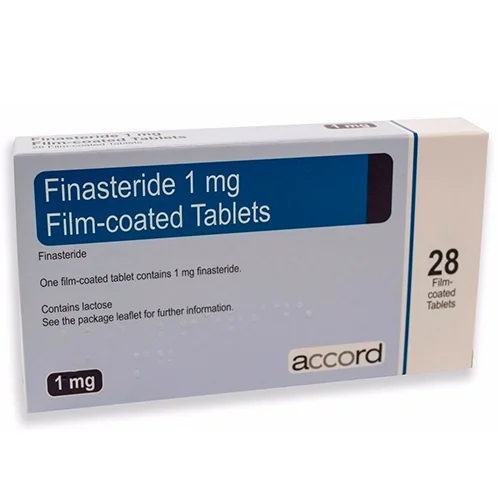
The most-prescribed hair loss medication globally. Blocks the enzyme that converts testosterone into DHT, reducing scalp DHT by around 60%. Clinically proven in published studies to slow, stop, or even reverse pattern hair loss in 80%+ of men.
Available as the trusted UK generic Accord Finasteride 1mg, or our 1-month starter pack / 3-month bulk supply.
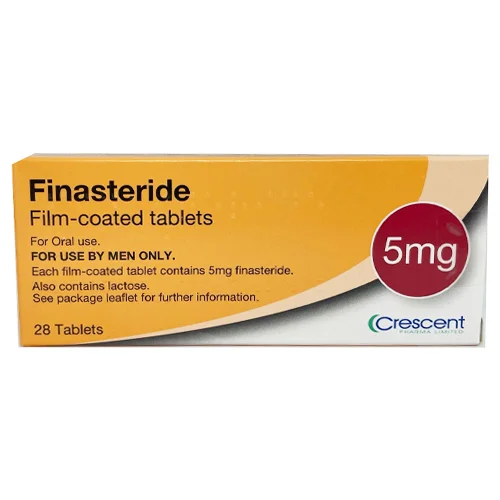
The 5mg strength is licensed for enlarged prostate, not hair loss, and is sometimes prescribed off-label at a reduced dose set by your prescriber. See our Finasteride 5mg page.
Dutasteride (0.5mg daily)
Stronger than finasteride. Blocks both Type I and Type II 5-alpha reductase, reducing scalp DHT by around 90% (vs 60% for finasteride). Used for patients who haven't fully responded to finasteride or who want maximum DHT suppression.
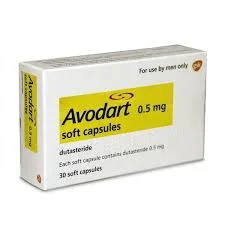
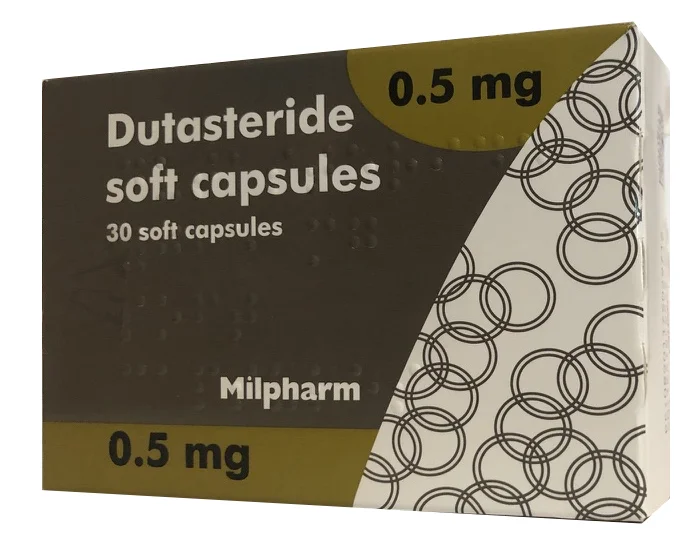
Available as Avodart (GSK brand), generic dutasteride 0.5mg, or vegetarian/vegan dutasteride for patients who require gelatin-free capsules.
Full comparison: Finasteride vs Dutasteride for Hair Loss.
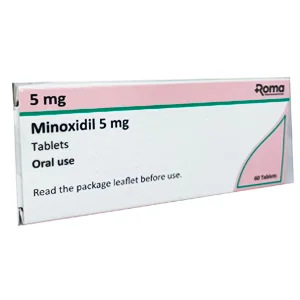
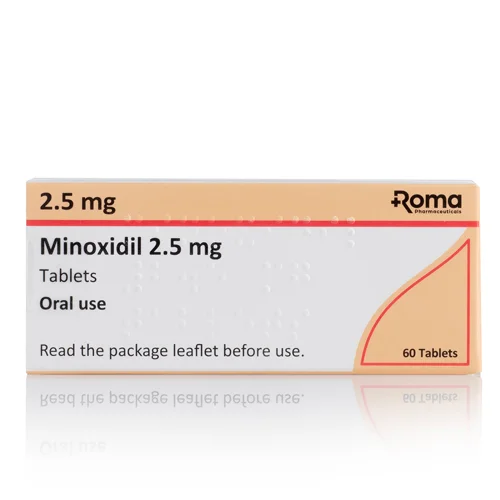
Oral minoxidil (low-dose, 0.25–5mg daily)
The fastest-growing treatment in UK hair loss right now. Minoxidil started life as a blood pressure medication, and at low doses it is used off-label for regrowth. Particularly useful for people who cannot get on with topicals.
Available at 5mg standard dose, 2.5mg starter dose, or custom low-dose capsules (0.25–1mg) for sensitive patients.
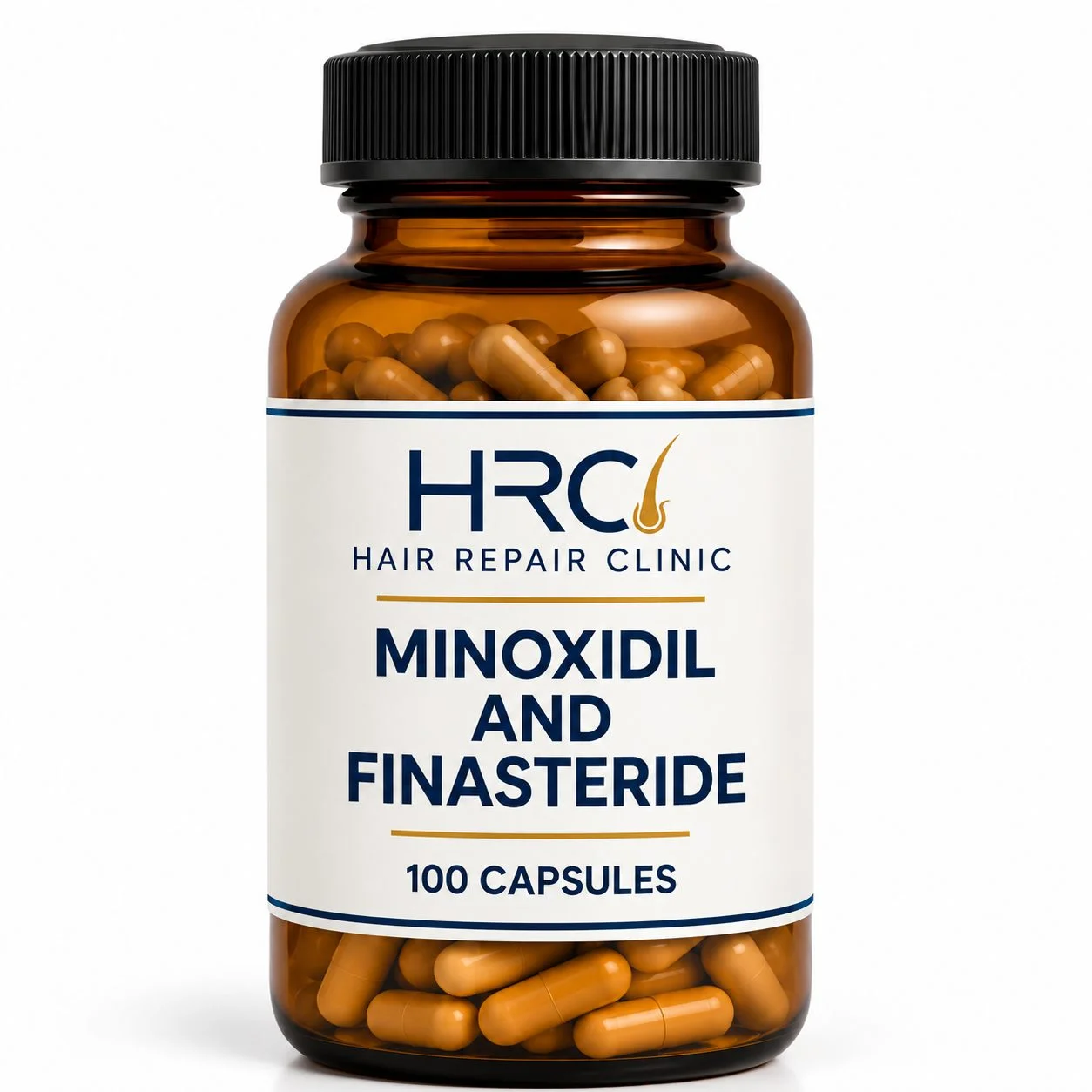
Combination capsules
For patients seeking simpler dosing, we compound finasteride + minoxidil in a single daily capsule. One pill instead of two, identical mechanism.
4. Which topical hair loss treatments are best?
Topicals go straight on the scalp. You get the local effect with far less of the medication ending up in your bloodstream, which is why people worried about the side effects of oral finasteride tend to start here.
New to topicals? See our step-by-step guide on how to apply a topical hair loss treatment for the full routine (prep, 1ml dosing, the 4-hour wash window, and how to pair with microneedling).
Build Your Own Custom Topical Formula
Most hair loss providers offer a limited range of standard treatments: oral finasteride, oral minoxidil, and a handful of stock topical options. At Hair Repair Clinic we take a different approach. Rather than expecting every patient to fit the same formula, we offer genuinely custom treatment plans. We can adjust concentrations of finasteride, dutasteride, minoxidil, tretinoin, melatonin and other actives to suit the individual, whether that is to maximise results, minimise side effects, or address a poor response to conventional therapy.
Choose your base solution (TrichoSol or Propylene Glycol), pick up to four active compounds (finasteride, dutasteride, minoxidil, spironolactone, melatonin, 17α-estradiol, azelaic acid, tretinoin and more), and set the exact concentration for each.
Every formula is reviewed by a UK GPhC-registered pharmacist, freshly compounded to order, and delivered with a personalised label. Pharmaceutical-grade, prescription-strength, and tailored to your hair-loss pattern, not a one-size-fits-all stock product.
Read more: our complete guide to custom-compounded topicals.
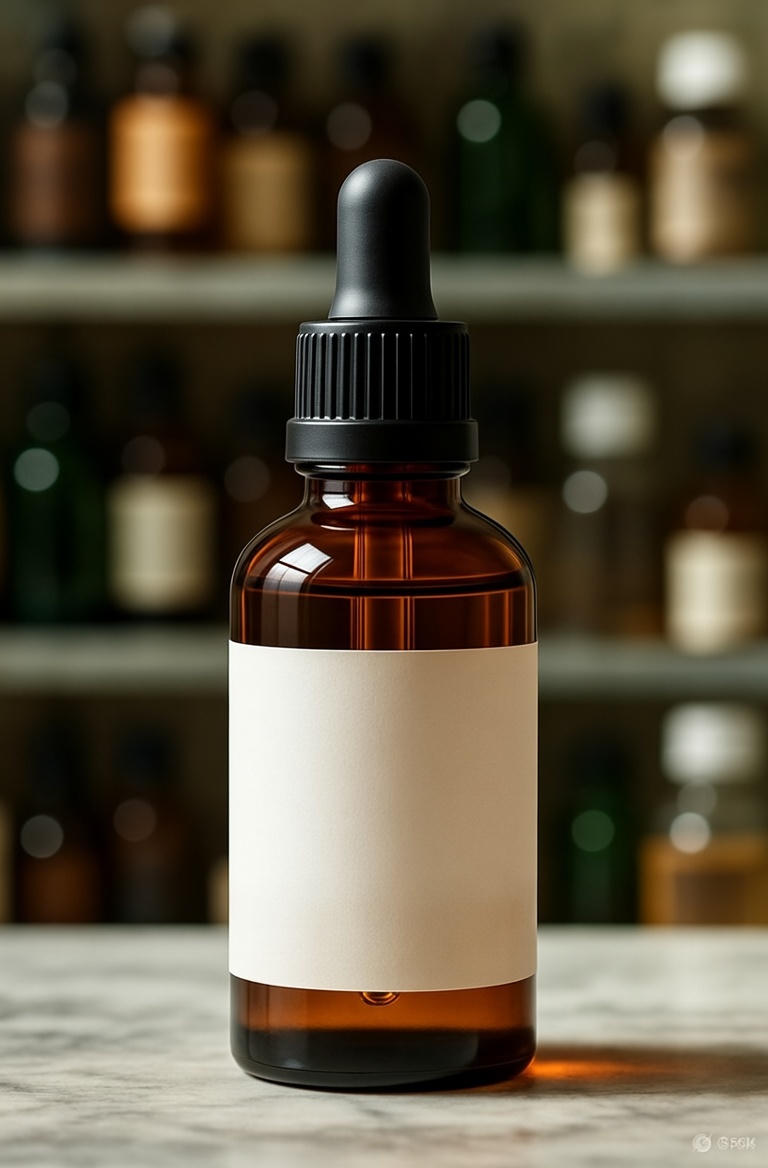
Topical Finasteride
Our own custom-compounded topical finasteride solution. Made in the UK using a proprietary TrichoSol base that is water-based, alcohol-free, and propylene glycol-free, making it suitable for sensitive scalps.
Available in strengths from 0.025% to 0.2%. For guidance on choosing strength, see our topical finasteride strength guide.
Topical finasteride results in substantially lower systemic DHT reduction than oral, potentially reducing side effect risk. For the evidence review, see our article on topical finasteride systemic absorption.
Topical Dutasteride
Our topical dutasteride solution combines prescription-strength dutasteride with 10% minoxidil in a TrichoSol base. Dual-action: blocks DHT and stimulates follicles in one application.
Topical minoxidil: solutions and foams
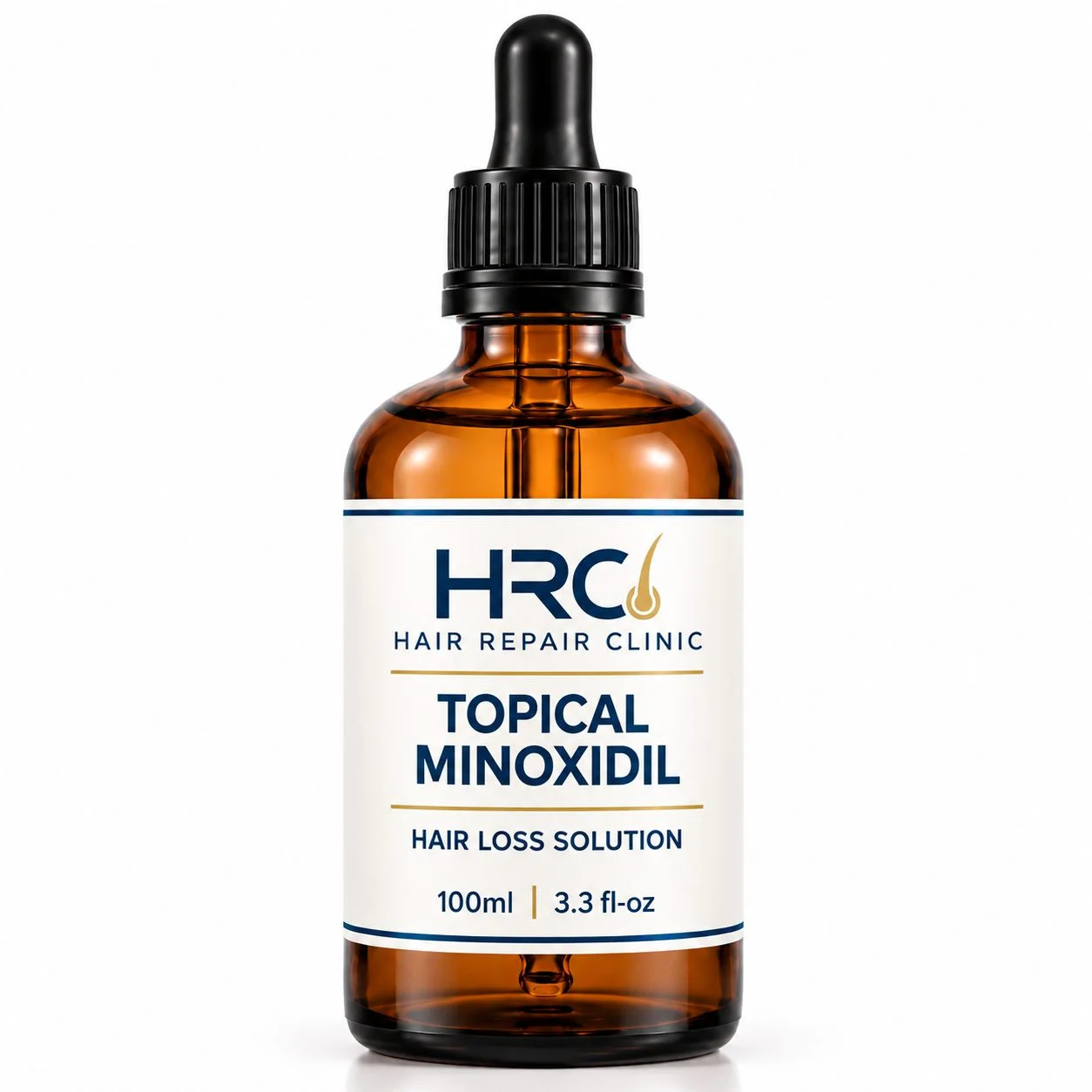
Important context: minoxidil is a hair growth stimulator, not a hair loss stopper. It keeps follicles in the growth phase longer and thickens existing hairs, but it does not stop DHT from shrinking follicles. On its own, minoxidil will not halt pattern hair loss. You still need a DHT blocker (finasteride or dutasteride) to stop the loss at its source. Think of minoxidil as fertiliser: it helps hair grow better, but it does not stop the underlying cause. That is why the strongest results always come from pairing minoxidil with a DHT blocker.
Available without prescription in the UK:
- Custom-compounded Topical Minoxidil 5%: for sensitive scalps. Zero alcohol, no propylene glycol.
- Member's Mark 5% Solution (6-month): the UK alternative to Kirkland Minoxidil.
- Member's Mark 5% Foam (4-month): the UK alternative to Regaine foam.
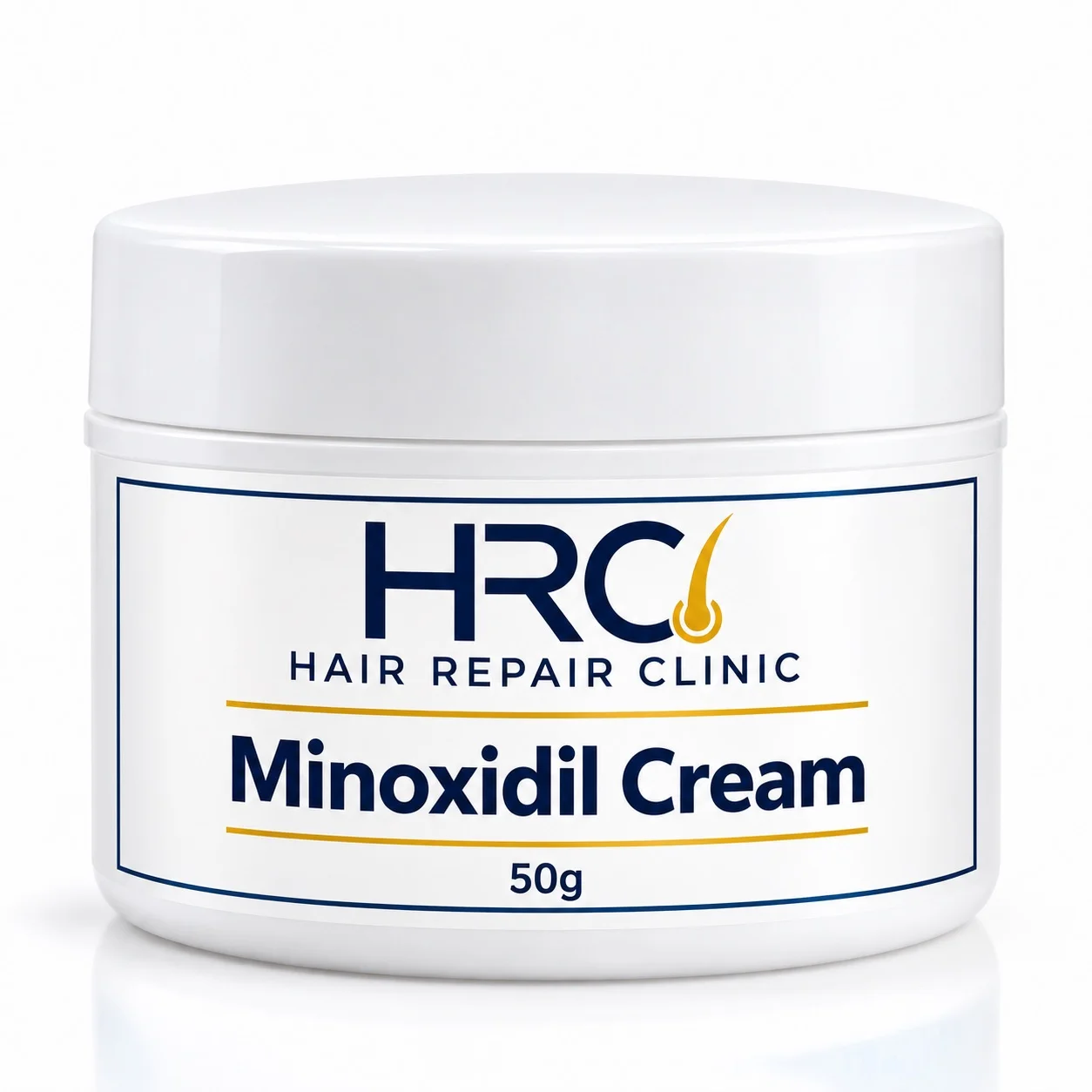
- Minoxidil Cream (5/10/15%): cream format for hair AND beard growth, no drip.
Kirkland counterfeit warning: Kirkland minoxidil is not officially sold in the UK. Bottles bought from third-party resellers on Amazon, eBay or overseas sites are frequently fake, mislabelled, or expired. Before you buy, read our full guide on how to spot fake Kirkland minoxidil. A UK-dispensed alternative like our compounded Topical Minoxidil or Member's Mark is safer and typically cheaper per month.
Build your topical: DHT blocker + minoxidil (+ tretinoin) in a single bottle
A complete topical stack is up to three actives in one bottle, applied once daily.
1. DHT blocker (mandatory, stops the loss). Men typically choose topical finasteride or topical dutasteride. Women typically choose topical spironolactone. Topical melatonin does not itself block DHT, but it protects follicles from the oxidative damage DHT causes and extends the growth phase, all without the libido or mood side effects some people get from finasteride or dutasteride. Layer it on top of a DHT blocker, or use it as a non-hormonal alternative if none of the DHT blockers suit you.
2. Growth stimulant (optional, drives regrowth). Add minoxidil at 2-15% to any of the four DHT blockers above. Minoxidil keeps follicles in the growth phase longer and thickens existing hairs, but it does not stop hair loss on its own, so it is always added to a DHT blocker, never used instead of one.
3. Absorption aid (optional, for minoxidil non-responders). Add tretinoin at 0.01%. Around 30-40% of people have low SULT1A1 enzyme activity in the scalp, which is what converts minoxidil into its active form. Tretinoin is thought to raise that activity, and small studies suggest it can rescue a substantial proportion of initial minoxidil non-responders. Before assuming you are a poor converter, first make sure you have applied minoxidil correctly for at least 6-12 months and that DHT is properly controlled.
Or use our custom topical builder to design your own mix from finasteride, dutasteride, minoxidil, melatonin, spironolactone, tretinoin and more.
5. Which hair loss treatments are best for women?
Finasteride and dutasteride are not recommended for women, particularly during reproductive years, due to risks during pregnancy. The same treatment logic still applies though: block DHT first, then add minoxidil to stimulate growth. The topical DHT blocker of choice for women is spironolactone. Topical melatonin is a useful non-hormonal add-on, or an alternative for women who cannot tolerate spironolactone.
Topical Spironolactone (DHT blocker)
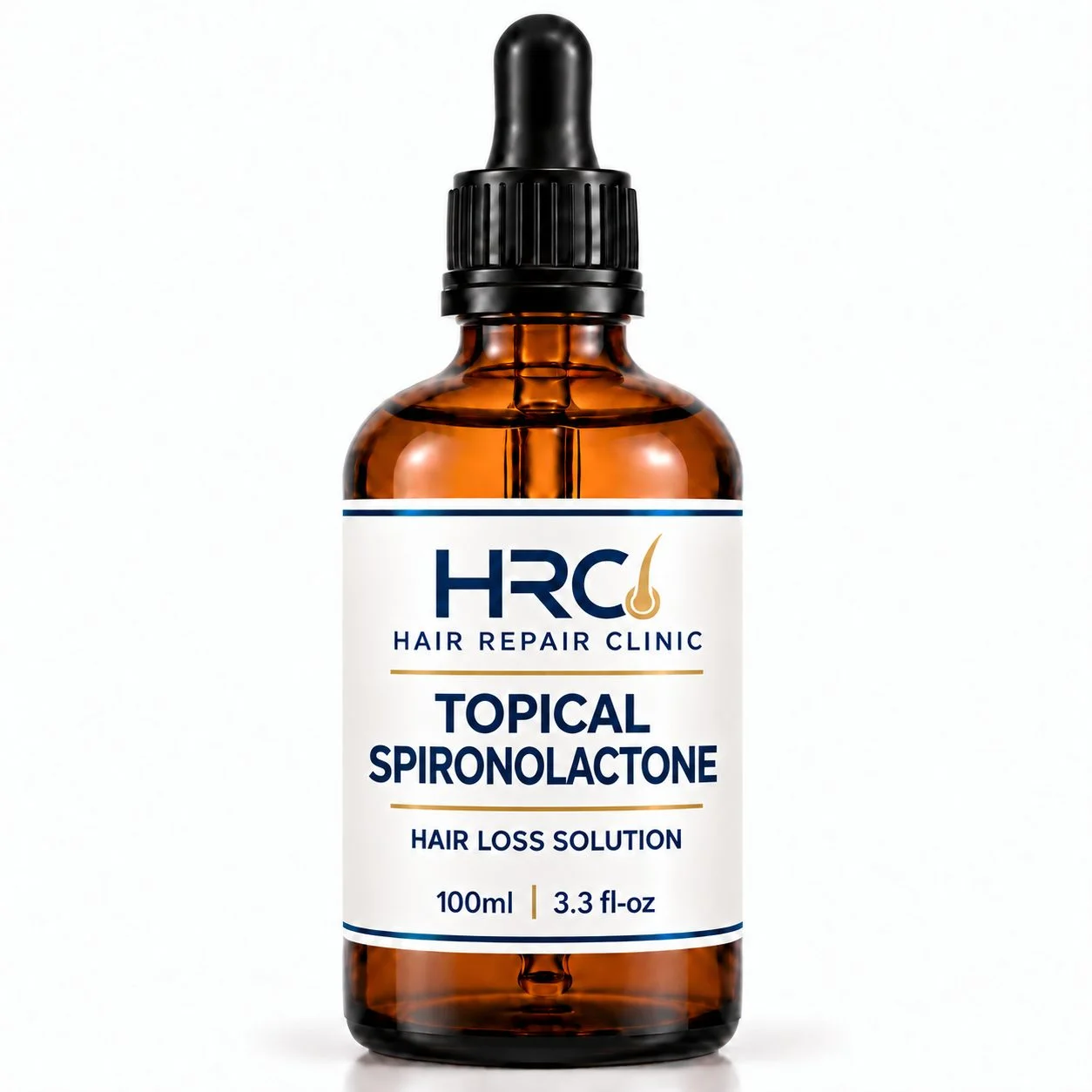
Our topical spironolactone 2% blocks DHT activity in the scalp without the systemic anti-androgen effects of oral spironolactone, making it suitable for women who can't tolerate the oral form.
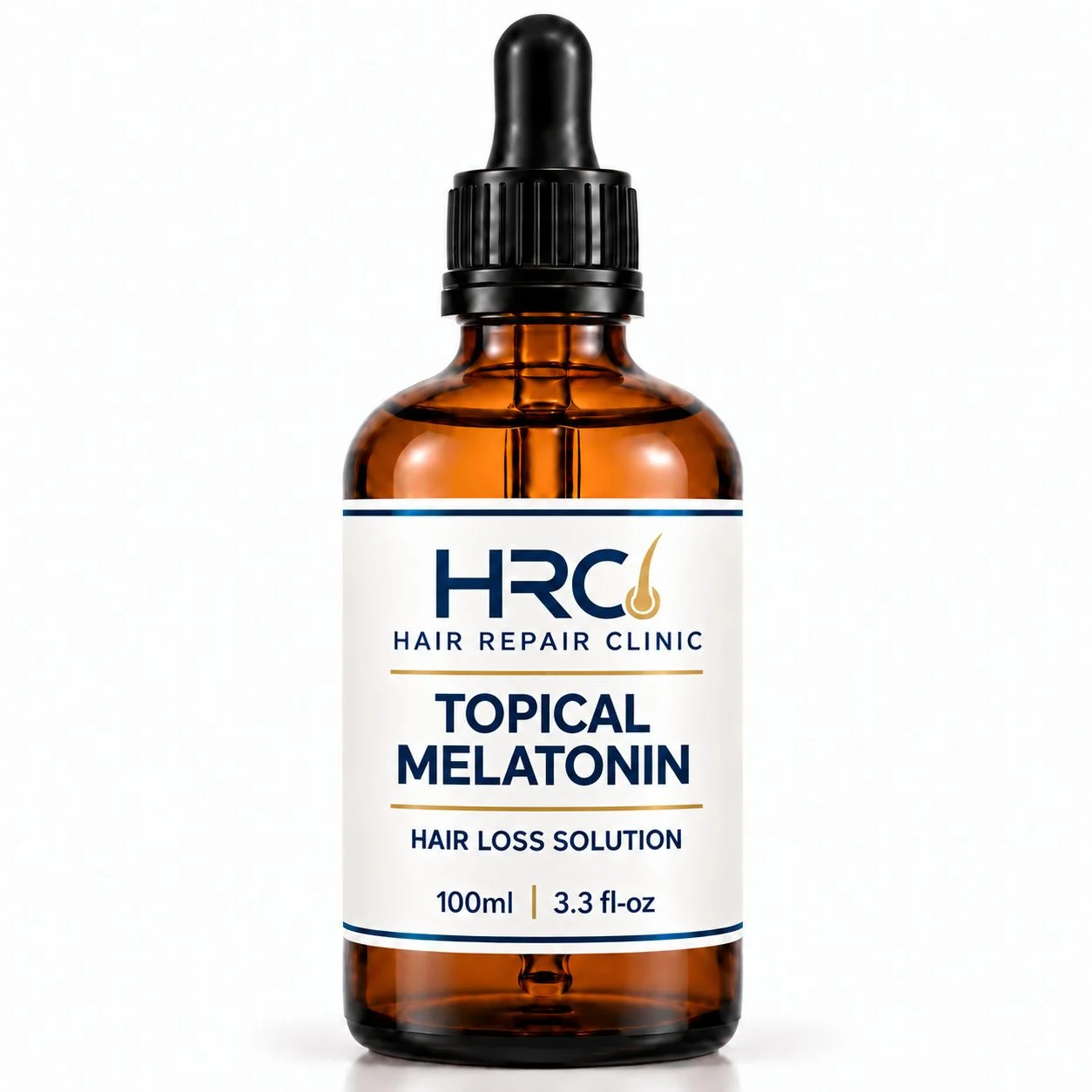
Topical Melatonin (non-hormonal follicle support)
Our topical melatonin solution works via a different pathway to finasteride, dutasteride and spironolactone. It does not block DHT. It acts as a local antioxidant that shields follicles from the oxidative-stress damage DHT causes, and it extends the anagen (growth) phase via the Wnt/β-catenin signalling pathway. Because it does not touch the androgen pathway at all, it carries no libido or mood side-effect risk. Best used as an add-on to a DHT blocker, or as a non-hormonal option if you cannot tolerate spironolactone. For women who cannot use finasteride or dutasteride and cannot tolerate spironolactone, topical melatonin paired with topical or low-dose oral minoxidil is the honest fallback: not a full DHT block, but meaningful follicle protection plus regrowth support.
Topical and oral minoxidil for women (growth stimulant)
Minoxidil is a growth stimulator, not a DHT blocker, so it is layered on top of topical spironolactone (or alongside topical melatonin) rather than used instead of a DHT blocker. Topical minoxidil at 2% or 5% is well-established for women. Oral low-dose minoxidil is increasingly used as an alternative for patients who find topicals irritating.
Read more in our complete female hair loss treatments guide and prevention guide.
Featured female hair loss treatments
Safety: finasteride and dutasteride can cause birth defects in male foetuses. Women who are pregnant, may become pregnant, or are breastfeeding must not handle these tablets. See our safety article on finasteride and pregnancy.
6. Does microneedling work for hair loss?
Microneedling uses a roller, stamp or motorised pen with fine needles to create tiny micro-injuries that kick the scalp's healing response into action. Several studies show it improves the absorption and results of topical minoxidil and finasteride.
Practical routine: a 0.5mm derma roller can be used 3 to 5 times per week to improve topical absorption. A 1.0mm roller is used every other week for deeper stimulation. Do not use both on the same day.
For at-home use we stock:
- Adjustable Derma Stamp 140 Needles: manual precision tool.
- Bio Needle Derma Stamp 120 Needles.
- Titanium Derma Roller 540 Needles: classic roller, broad coverage.
For setup and hygiene: read our derma roller cleaning guide.
Reality check: what does not stop pattern hair loss. A lot of the popular stuff will not do it: PRP for male pattern baldness, rosemary oil, gummies, biotin, collagen, most “natural” serums, and most TikTok trends have weak or no clinical evidence for reliably stopping or reversing hormonal thinning. If you skip DHT blockers because they sound intimidating, you are usually choosing to lose your hair more slowly, not stopping the process.
For the punchier version, read Matthew's male hair loss cheat codes or female hair loss cheat codes.
7. When is a hair transplant the right option?
Medication can stabilise hair loss, but it cannot bring back follicles that have already died. Once ground is lost, procedures restore the appearance directly.
Hair transplant surgery (FUE and FUT)
Hair transplants extract follicles from a donor area (typically the back and sides of the scalp where hair is genetically resistant to DHT) and relocate them to areas of loss. Two main techniques:
- FUE (Follicular Unit Extraction): individual follicles harvested one at a time. No linear scar.
- FUT (Follicular Unit Transplantation): a strip of donor scalp removed, then dissected. Higher graft yield in a single session.
Our transparent all-in pricing is £4,500 for hairline restoration and £5,500 for larger areas, both including hotel accommodation for travellers and 12 months of prescription hair loss medication. Browse before/after results in our hair gallery, or read our full guide to female hair transplants. See the complete hair transplants page for a full breakdown.
PRP (Platelet Rich Plasma)
Non-surgical injectable treatment. The evidence base for male pattern baldness is limited and we do not recommend PRP as a primary treatment for androgenetic alopecia. It may have a role for women with complex diffuse thinning. See our honest guide to PRP for the full evidence review.
Scalp Micropigmentation (SMP)
Specialised cosmetic tattoo creating the appearance of a closely-shaved head or denser hair. Useful as a finishing touch alongside a transplant or as a standalone solution for advanced loss. See our SMP for men guide.
Beard and eyebrow transplants
The same FUE technique applied to facial hair restoration. Our all-in pricing starts from £2,000 for beard transplants and £2,500 for eyebrow transplants.
All surgical procedures at Hair Repair Clinic are performed by Dr Ahmad Moussa, NHS Neurosurgeon and hair transplant surgeon. Your patient journey is supported by Rebecca, our registered trichologist, with detailed pre and post-op care guidance throughout.
8. How do I choose the right treatment?
The three-step stack (works for everyone)
- Block DHT. Non-negotiable. Men typically use topical finasteride or topical dutasteride; women use topical spironolactone. Topical melatonin is a non-hormonal add-on that shields follicles from oxidative damage and extends the growth phase; it does not itself block DHT, but it is the honest fallback layer for anyone who cannot tolerate a true DHT blocker.
- Add minoxidil. Optional but recommended. Stimulates the growth phase and thickens existing hairs. Add at 2-15% to your DHT-blocker bottle, or use topical/oral minoxidil separately.
- Add tretinoin 0.01%. Optional booster. 30-40% of people are minoxidil under-responders because of low SULT1A1 enzyme activity in the scalp; tretinoin raises that activity and can rescue non-responders. Add it if you've been on minoxidil 6+ months and see little change (once you've ruled out under-application and uncontrolled DHT).
Assemble it in one bottle with our custom topical builder, or pick a ready-made formulation from the sections above.
The right treatment depends on three things: how advanced the loss is, your personal preferences, and any safety considerations.
Early-stage thinning
If you've noticed mild thinning over the past few months, the standard starting point is either oral finasteride 1mg or one of our topical finasteride products. Topical works just as well as oral for most users and has a lower side-effect profile. Add topical minoxidil 5% for a 2-treatment approach.
Moderate, ongoing loss
If finasteride alone hasn't fully arrested the loss after 6 months, consider stepping up to dutasteride (which blocks DHT more thoroughly), or adding topical minoxidil if not already using it. Microneedling 1-2× per week boosts absorption. If you've been on minoxidil for 6+ months and see little response, consider adding 0.01% tretinoin to the topical to improve minoxidil conversion.
Advanced loss
If your hairline has receded substantially or the crown has visible scalp, medication will not regrow follicles that have already died. The realistic options are SMP (cosmetic) or hair transplant surgery (permanent restoration). Medical treatment should still continue alongside surgery to protect remaining native hair.
Women
Block DHT first with topical spironolactone, then add topical or oral minoxidil for regrowth. Topical melatonin is a non-hormonal add-on that protects follicles from the oxidative damage DHT causes and extends the growth phase; it does not itself block DHT, but it is the option to reach for if you cannot tolerate spironolactone, layered on top of minoxidil. Oral low-dose minoxidil is an option for women who find topicals irritating. Hair transplants are an option for stable female pattern loss after medical treatment has plateaued.
9. Frequently asked questions
What is the most effective hair loss treatment in the UK?
For most people with male or female pattern hair loss, the most effective evidence-based treatments are oral or topical finasteride (or dutasteride), combined with topical minoxidil. These have decades of clinical data. Surgical options like hair transplants address advanced loss but only after medical treatment has stabilised hair behaviour.
Can I get prescription hair loss medication online in the UK?
Yes. Hair Repair Clinic offers an online medical questionnaire reviewed by a UK prescriber. Prescription medications including finasteride, dutasteride and oral minoxidil are dispensed by GPhC-registered partner pharmacies and delivered across the UK, with delivery included.
What is the difference between finasteride and dutasteride?
Both block DHT, the hormone that drives pattern hair loss. Finasteride blocks Type II 5-alpha reductase only. Dutasteride blocks both Type I and Type II, making it stronger but with stricter trade-offs. See our finasteride vs dutasteride comparison guide for full detail.
Is topical finasteride safer than oral finasteride?
Studies suggest topical finasteride results in lower systemic DHT reduction than oral, potentially reducing the risk of sexual side effects. Our topical finasteride solution uses an alcohol-free TrichoSol base for the same DHT-blocking benefit with reduced systemic exposure.
Are hair loss treatments different for women?
Yes. Finasteride and dutasteride are not recommended for women, especially during reproductive years. The topical DHT blocker of choice for women is spironolactone, which we supply as a topical solution, with minoxidil added on top as a growth stimulant. Topical melatonin works via a different pathway (antioxidant follicle protection plus anagen-phase extension, not DHT blockade) and is a useful non-hormonal add-on, or an alternative for women who cannot tolerate spironolactone. See our dedicated female hair loss section for details.
How long does it take to see hair loss treatment results?
Visible results typically take 4 to 6 months of consistent daily use. Hair growth cycles are slow, and finasteride and minoxidil need to influence multiple cycles before regrowth becomes obvious. Most clinical studies measure outcomes at 12 months.
Is hair loss treatment free on the NHS?
No. The NHS does not generally fund hair loss medication or hair transplants because they are considered cosmetic. Private prescription is the only route in the UK. Our service includes the prescription with every order.
How much does a hair transplant cost in the UK?
Hair transplant pricing in the UK typically ranges from £3,000 to £12,000 depending on graft count and technique (FUE vs FUT). At Hair Repair Clinic, our transparent all-in pricing is £4,500 for hairline restoration and £5,500 for larger areas. Beard transplants start from £2,000 and eyebrow transplants from £2,500. All prices include hotel accommodation for travellers and 12 months of prescription hair loss medication.
10. Get started today
Prescription included, UK delivery included, dispensed by a GPhC registered UK partner pharmacy. Every order includes an online medical questionnaire reviewed by a UK prescriber who checks your medical history and approves treatment as appropriate. The questionnaire typically takes under 5 minutes to complete.
Written by: Hair Repair Clinic
Medically reviewed by: Dr Ahmad Moussa MB BCh, MSc, MRCS(Eng), MD, FRCS(SN), NHS Neurosurgeon and Hair Transplant Surgeon (GMC 6065705).
Published: · Last reviewed: . All prescription medications are dispensed by a GPhC registered UK partner pharmacy. Always read the patient information leaflet before use. Not all treatments are suitable for everyone, and our online questionnaire (reviewed by a UK prescriber) will identify the right approach for you.