How to Apply a Topical Hair Loss Treatment: Step-by-Step UK Guide
A topical hair loss treatment is only as good as the way you apply it. The actives (finasteride, dutasteride, minoxidil, spironolactone, melatonin and others) need direct contact with the scalp, at the right dose, consistently, for long enough to show results. Apply it properly and you give the formula its best chance. Apply it badly and even the strongest compound underperforms.
This guide covers the full routine: preparing the scalp, applying 1ml correctly, what to avoid afterwards, and how to combine topicals with microneedling for better absorption.
The short version
If you only read one paragraph, read this. Every UK topical we dispense carries these directions on the pharmacist label:
Apply 1ml once daily to the affected areas of the scalp. A 100ml bottle typically provides approximately 3 months’ supply when used as directed. Allow to dry naturally and wash hands after use.
That is the routine. The rest of this article is the practical detail behind it: why 1ml, why evening, why four hours before washing, and what to do when life gets in the way.
Keep the one-page version. Our printable Topical Treatment Application Guide (PDF) covers application, contact with other people, storage and what to do if something goes wrong. Download it and keep it with your bottle.
If you have cats: keep minoxidil away from them
Minoxidil is highly toxic to cats, even in very small amounts. A cat that licks a treated scalp, brushes against wet product, or gets at the bottle can become seriously unwell.
Store the bottle closed and well out of reach of pets.
Let your scalp dry fully before letting a cat near your head, and do not let a cat sleep on your pillow while the product is still wet.
Wash your hands after every application, before stroking or feeding a cat.
Do not let pets lick or touch the treated area or the product.
If you think your cat has been exposed, contact your vet straight away.
Before you start: preparing the scalp
A clean, dry scalp absorbs a topical best. Apply on top of product residue, dead skin, sebum or sweat and less of the active reaches the follicle. Five minutes of prep makes a measurable difference.
Wash and dry first when possible. A freshly washed, fully towel-dried scalp gives the formula a clear run at the follicles. If you can't wash, the scalp should at least be dry and free of styling product, sweat and oil.
Make sure the scalp is fully dry. A damp scalp dilutes the formula and drops the effective concentration. Towel dry thoroughly and let it air-dry for a few minutes if needed.
No conflicting product. Don't apply on top of gels, waxes, sprays, hair fibres or leave-in products. Wait for the next wash, then apply to a clean dry scalp.
Part the hair into sections. For receding hairlines and crown thinning, work through 3 to 5 partings so the solution lands on the scalp rather than the hair. A small comb or your fingertips work fine.
Step-by-step: how to apply 1ml correctly
Our 100ml bottles ship with a calibrated dropper that delivers 1ml in roughly 20 to 25 drops. That is the dose the published clinical data is built on. Less reduces the effect; more doesn't add anything, because the excess runs off before it absorbs.
Draw 1ml into the dropper. Squeeze the bulb to fill to the marked line. If your bottle doesn’t have a calibrated dropper, count 20 to 25 drops.
Dispense onto the affected areas. Move the dropper across the parted sections, releasing 4 or 5 drops per area: hairline (centre and both temples), crown, and any visible thinning in between. The whole 1ml should be on the scalp within 30 seconds.
Apply directly to the scalp, not the hair. If a drop lands on a hair strand, gently push it down to the scalp with a fingertip. The scalp is where the follicle is; the hair shaft itself doesn’t need treatment.
Spread with your fingertips. Use the pads of your fingers (not the nails) to massage the solution evenly across the treated areas. Forty seconds of light circular pressure is enough. There is no benefit to vigorous rubbing, and aggressive massage can irritate the scalp.
Allow it to dry naturally. Don’t towel dry, blow dry on cold or hot, or comb through the wet formula. Air-dry for 10 to 15 minutes. The solution evaporates and the actives stay on the scalp where you put them.
Wash your hands thoroughly. Use soap and warm water. This is especially important for finasteride- and dutasteride-containing topicals: any residue on the fingers can transfer onto skin, surfaces, partners or pets.
Prefer it on paper? View the one-page application guide (PDF), or download it to keep with your bottle.
When to apply: morning, evening, or both?
Most patients apply once daily in the evening, an hour or two before bed. Evening application has three practical advantages:
The scalp is usually free of styling product and sweat from the day if you’ve washed off, or you can wash specifically before applying.
You’re not styling, brushing or touching the hair afterwards, so the formula stays on the scalp.
You have a clear four-hour window before any washing the next morning.
Morning application is fine if it fits your routine better; the medication doesn’t care about clock time, only about consistency. Twice-daily application (morning and evening) is sometimes prescribed for minoxidil at higher concentrations or for combination compounds, but only if your prescribing pharmacist has confirmed it. Don’t double-dose on your own.
After application: what not to do
Don’t wash for at least 4 hours. That’s the absorption window. Washing earlier removes a meaningful chunk of the dose. Applied in the evening? The morning shower is fine.
Don’t swim or sweat heavily in that window. Pool chlorine, sea water and heavy perspiration all strip the formula before it absorbs. Schedule application around your training, not the other way round.
Don't apply styling products for at least 30 minutes. Once fully dry, light styling is fine. Heavy waxes and gels can re-emulsify residue and reduce penetration.
Watch the pillowcase. Small amounts of finasteride or dutasteride can transfer via a damp pillowcase. If you sleep face-down and share a pillow, give the formula extra dry time or use your own pillowcase.
Don't miss days. Topical actives only work while they're in the scalp. One missed day won't derail you; several a week will. Consistency beats concentration.
Pairing topicals with microneedling
Microneedling, with a dermaroller or motorised pen, creates tiny channels in the scalp's outer layer. It improves the absorption of topical minoxidil and finasteride and stimulates the scalp's own growth-signalling response. Needle depth decides how often you do it, and whether you apply your topical straight afterwards.
0.5mm, 3 to 5 times a week. Use it before applying your topical. It helps absorption, so apply straight after, with no gap.
1.0mm, once a fortnight. This is deeper stimulation to support the hair follicles. Do not apply your topical straight after: skip it that evening and restart the next day.
Do not needle more often than this. Overuse can irritate the scalp and may lead to scar tissue.
Never needle broken, inflamed or infected skin.
Read our derma roller cleaning guide first. Hygiene is non-negotiable with microneedling; a contaminated roller is a far bigger risk than a missed application.
Common application mistakes
Applying to wet hair. Dilutes the formula and wastes the dose.
Spraying or pouring instead of dropping. Impossible to dose accurately, and some of it ends up on your forehead.
Spreading with a flannel or cotton wool. It absorbs the formula and defeats the purpose. Fingertips.
Flooding the scalp. Apply in stages of 4 to 5 drops, let each section settle for a few seconds, then move on. Dump the whole millilitre at once and gravity wins.
Towel drying immediately. Removes most of the dose. Air-dry.
Skipping the hand wash. A genuine safety issue with finasteride and dutasteride. Transferred residue exposes other people.
Switching brands or strengths week to week. Don't. Pick a formula and run it for six months minimum. Switching early hides whether it was working.
How long until you see results?
Hair growth cycles are slow. With correct daily application, the typical timeline is:
0 to 3 months: nothing visible. You may notice a short shedding phase as old hairs cycle out to make room for new growth. That's a good sign, not a side effect.
3 to 6 months: the first visible changes. Less shedding, fine hairs at the front, the crown thickening. Compare monthly photos taken in the same light and angle.
6 to 12 months: clearer regrowth. This is the window most studies report results in.
12 months and beyond: continued improvement is common, especially with combination formulas.
Still unsure after six months of consistent use? Message your prescribing pharmacist through the app, or send before and after photos and we’ll review whether the formulation needs adjusting.
If you miss a day
Apply your normal 1ml at the next scheduled time. Don’t double up. One missed day has almost no impact. A pattern of missed days is what costs you results, so set a phone reminder and treat it like brushing your teeth.
Storage and shelf life
Room temperature, out of direct sunlight.
Cap tightly closed to stop the solvent evaporating.
Use within the expiry date on the bottle. Compounded formulas have shorter shelf lives than off-the-shelf products because they're made fresh to your prescription.
Keep out of reach of children and pets.
Application notes by ingredient
The 1ml once-daily routine is the standard across our topical range. A few ingredient-specific notes:
Topical finasteride and topical dutasteride: the hand wash is mandatory, not optional. These are prescription anti-androgens and skin transfer is the main safety consideration.
Topical minoxidil: the most common cause of "minoxidil stopped working" is irritation from propylene glycol or alcohol in older formulations, not lost efficacy. If you experience flaking, itching or redness, ask about switching to our TrichoSol base, which is water-based and free of both.
Topical spironolactone: generally well tolerated. As an anti-androgen, it is not intended for use by men.
Topical melatonin: evening application fits most routines. Scalp absorption is too low to affect sleep either way.
Custom-compounded multi-active formulas: however many actives are in the bottle, the volume stays at 1ml. The compounding pharmacist adjusts each concentration so the full dose fits the 1ml/day routine.
Safety and when to get help
Do not apply to broken or inflamed skin. Wait for the scalp to heal first. Broken skin absorbs far more of the medicine and irritates more easily.
Avoid contact with the eyes and face. If it does get into your eyes, rinse them with plenty of water.
Stop using it if you develop persistent or significant irritation, or any other reaction that concerns you.
If you feel unwell, contact NHS 111 or your GP. If the reaction is severe, or you have facial or lip swelling, difficulty breathing, chest pain or palpitations, call 999.
Report suspected side effects through the MHRA Yellow Card scheme, at yellowcard.mhra.gov.uk. You can report on your own behalf; you do not need a clinician to do it for you.
Your dispensing label and any individual directions from your prescriber take priority over this general guide, including how often and how much to apply.
Common questions
Can I apply the formula directly after a shower?
Yes, once the scalp is fully towel dried and air-dried for a few minutes. A damp scalp dilutes the formula.
Can I apply more than 1ml for faster results?
No. The excess runs off without absorbing and raises the risk of irritation. The 1ml dose is what the published studies measured.
Can I apply it twice a day?
Only if your prescribing pharmacist has confirmed it for your specific formula. Some minoxidil-only protocols use twice-daily dosing; most combination topicals don’t.
Can I use a topical and an oral medication at the same time?
Yes. Combination therapy, for example oral finasteride plus topical minoxidil, is one of the most common and effective protocols. List your current treatments in the medical questionnaire so the prescriber sees the full picture.
What if my scalp itches or flakes after applying?
Mild itching at the start of treatment is common and usually settles within two weeks. Persistent itching, flaking or redness is usually a reaction to the base (alcohol or propylene glycol) rather than the active. Ask about switching to the TrichoSol base base.
Can I dye, bleach or use treatments on my hair while using a topical?
Yes, but apply your topical at least six hours before or after any colour treatment, and rinse the scalp thoroughly before applying. Dye chemistry can interact with some actives.
Is it safe to apply a topical hair loss treatment when pregnant or trying to conceive?
Topical finasteride and dutasteride must not be handled by women who are pregnant, may become pregnant, or are breastfeeding. See our safety article on finasteride and pregnancy for full detail. Topical minoxidil 2% has the longest safety record in women but should still be discussed with your pharmacist.
Start here
If you’re new to topicals, the easiest starting points are our ready-made formulas, all in the TrichoSol base for sensitive scalps:
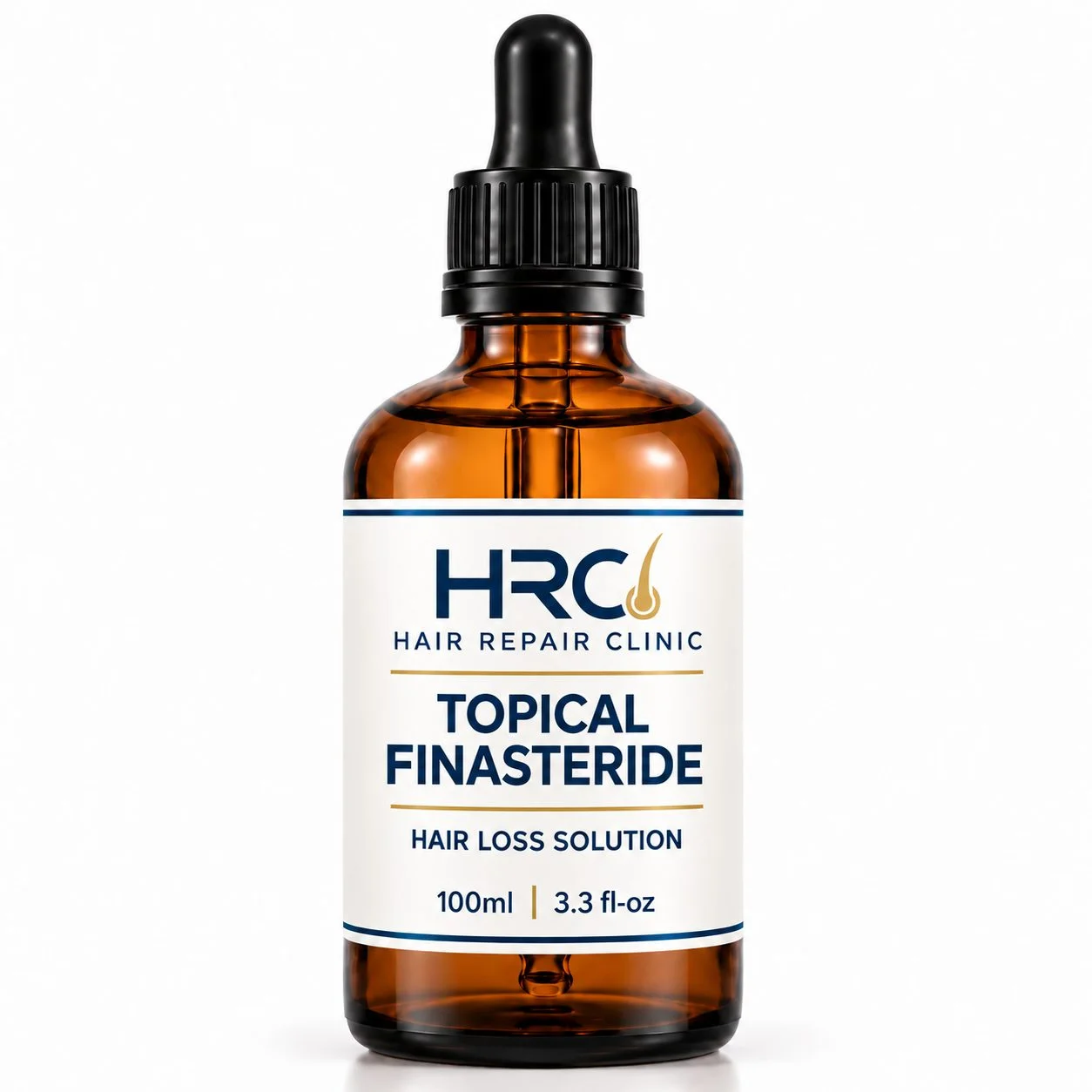
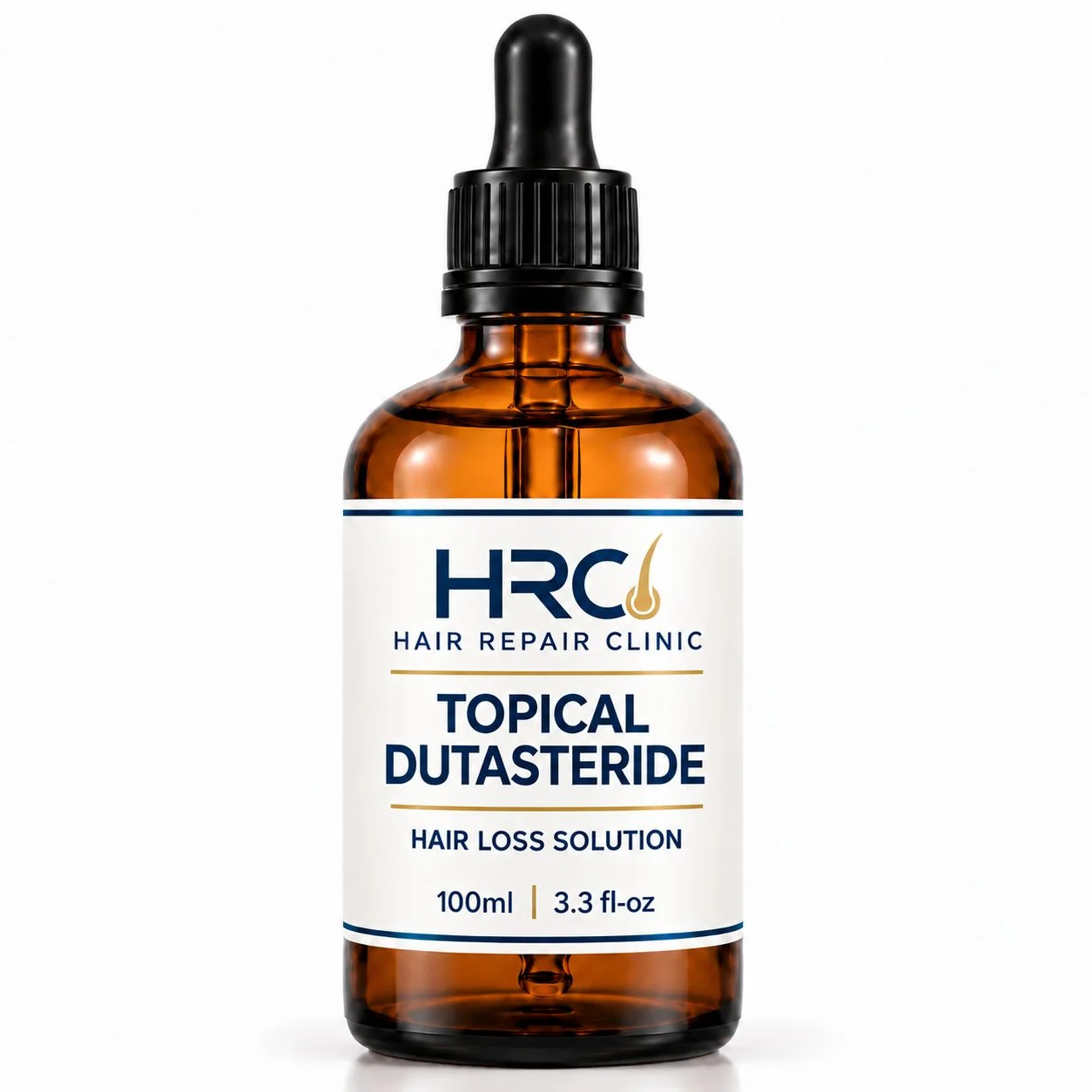
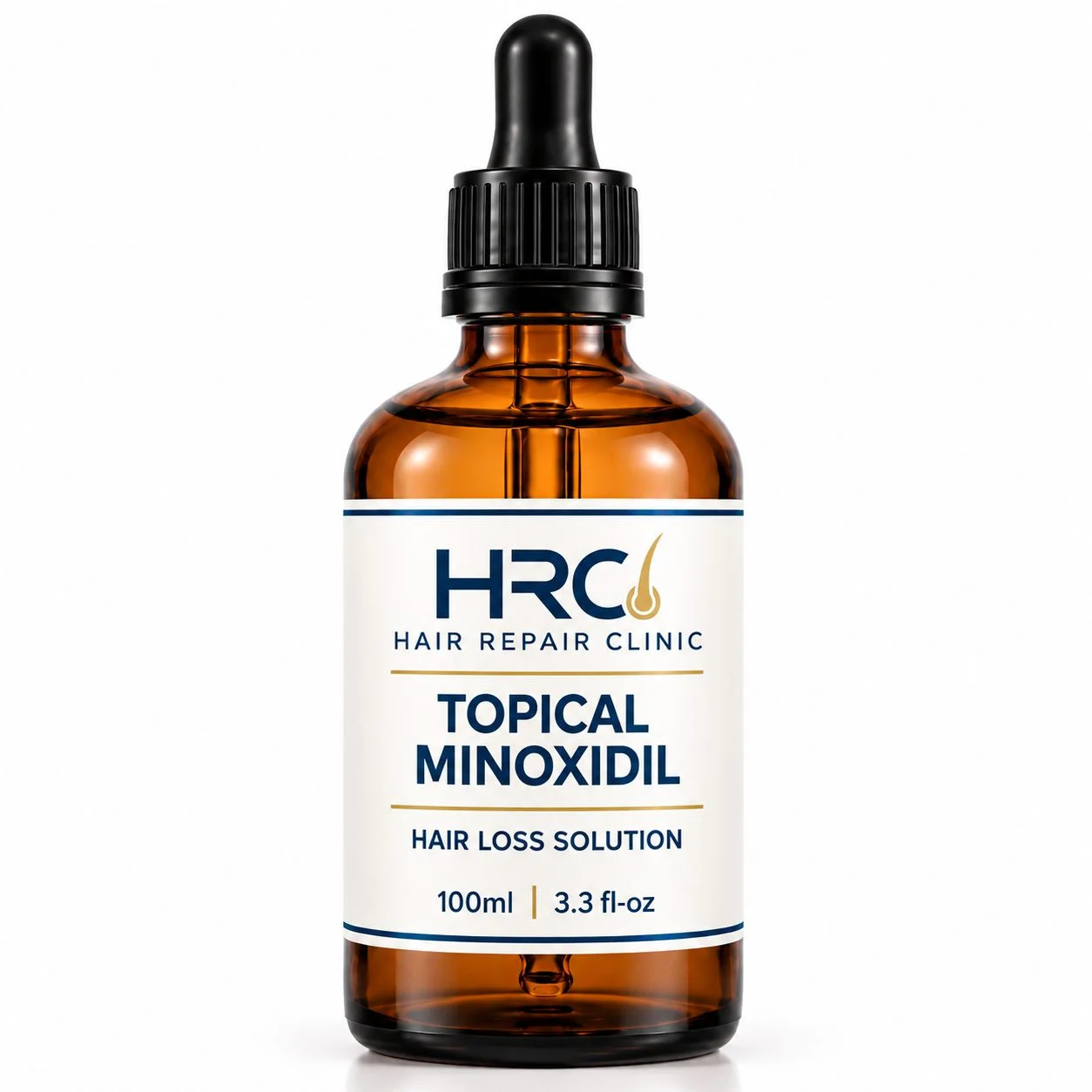
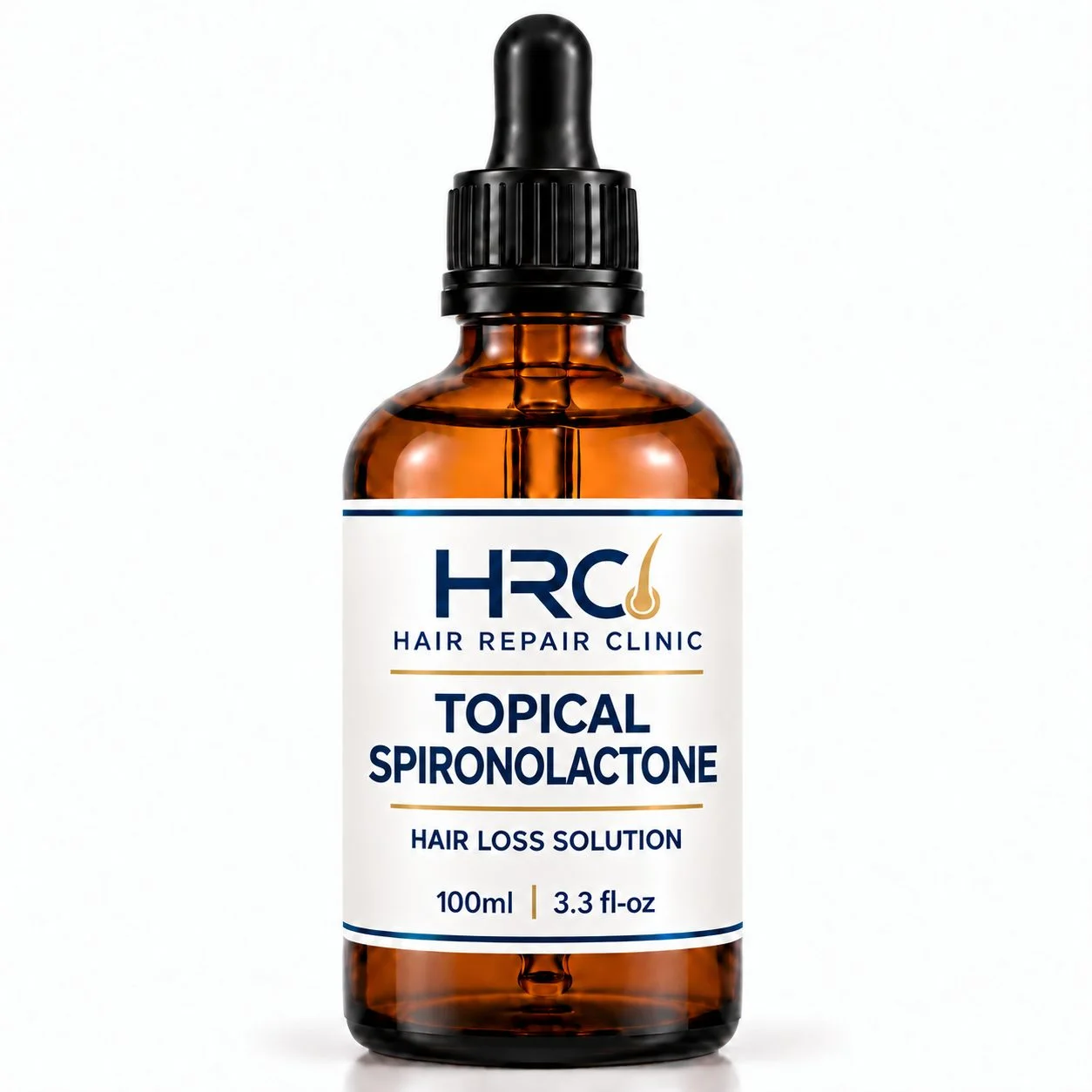
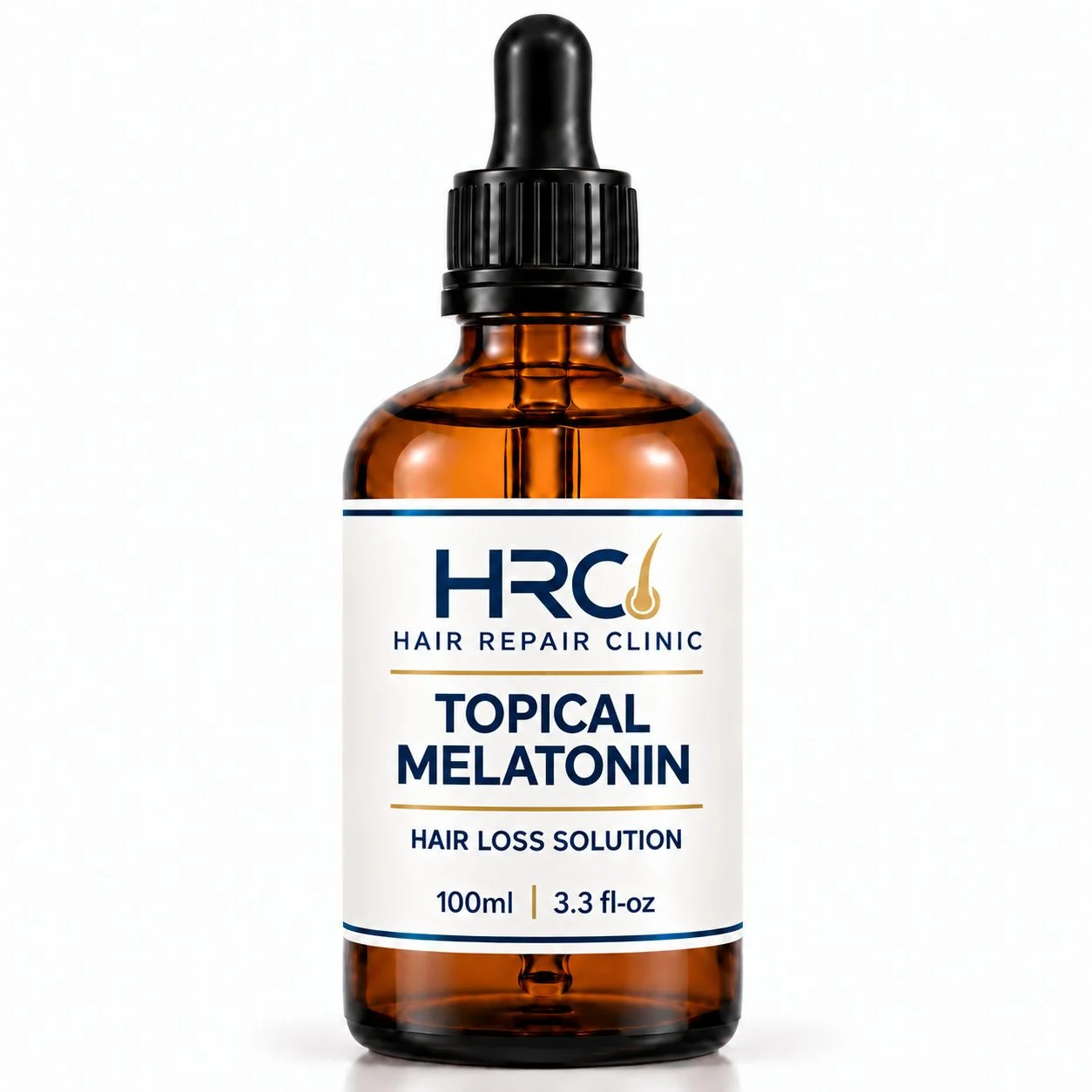

For the full picture of UK hair loss treatment options, see our complete UK hair loss treatment guide.
Frequently asked questions
How often should I apply topical finasteride or minoxidil?+
Once daily, at the same time each day, ideally in the evening 4 to 6 hours before you next wash your scalp. Consistency matters more than the specific time. Every daily topical hair loss treatment we dispense in the UK is dosed at 1ml once daily unless your prescriber has advised otherwise.
What happens if I miss a day?+
One missed day makes no meaningful difference to your results. Just apply the next day as usual. Do not double dose to catch up: the excess simply runs off. Regular missed days will slow progress because DHT suppression and growth stimulation need to be maintained daily to be effective.
Can I use topical minoxidil and topical finasteride together?+
Yes, either as two separate bottles or as a single Custom Topical Solution compounded together in one 100ml bottle. Different mechanisms (growth stimulation vs DHT block) mean they combine well. Never combine topical finasteride with oral finasteride, or topical dutasteride with oral dutasteride: same drug, two routes stacks the dose unnecessarily.
Medical reviewer: Dr Ahmad Moussa MB BCh, MSc, MRCS(Eng), MD, FRCS(SN), NHS Neurosurgeon and Hair Transplant Surgeon.
Published: . Last updated: . Last reviewed: . All prescription medications are dispensed by a GPhC registered UK partner pharmacy.
Disclaimer: this page is for general information only and does not constitute medical advice. Prescription treatments are not appropriate for everyone. Prescription only treatment is supplied only where a UK registered prescriber judges it clinically appropriate after reviewing your online medical questionnaire.
Related Articles
Custom Compounded Topical Hair Loss Formula: Build Your Own
11 Jun 2026

What is TrichoSol?
21 Nov 2023
Topical vs Oral Finasteride: Which is Better for Hair Loss in the UK
10 Sept 2026

Oral vs Topical Minoxidil for Hair Loss: UK Guide
24 Jul 2026

Female Hair Loss Cheat Codes: A UK Straight-Talking Plan
16 Jul 2026

Male Hair Loss Cheat Codes: What Actually Works (and What Doesn't)
16 Jul 2026