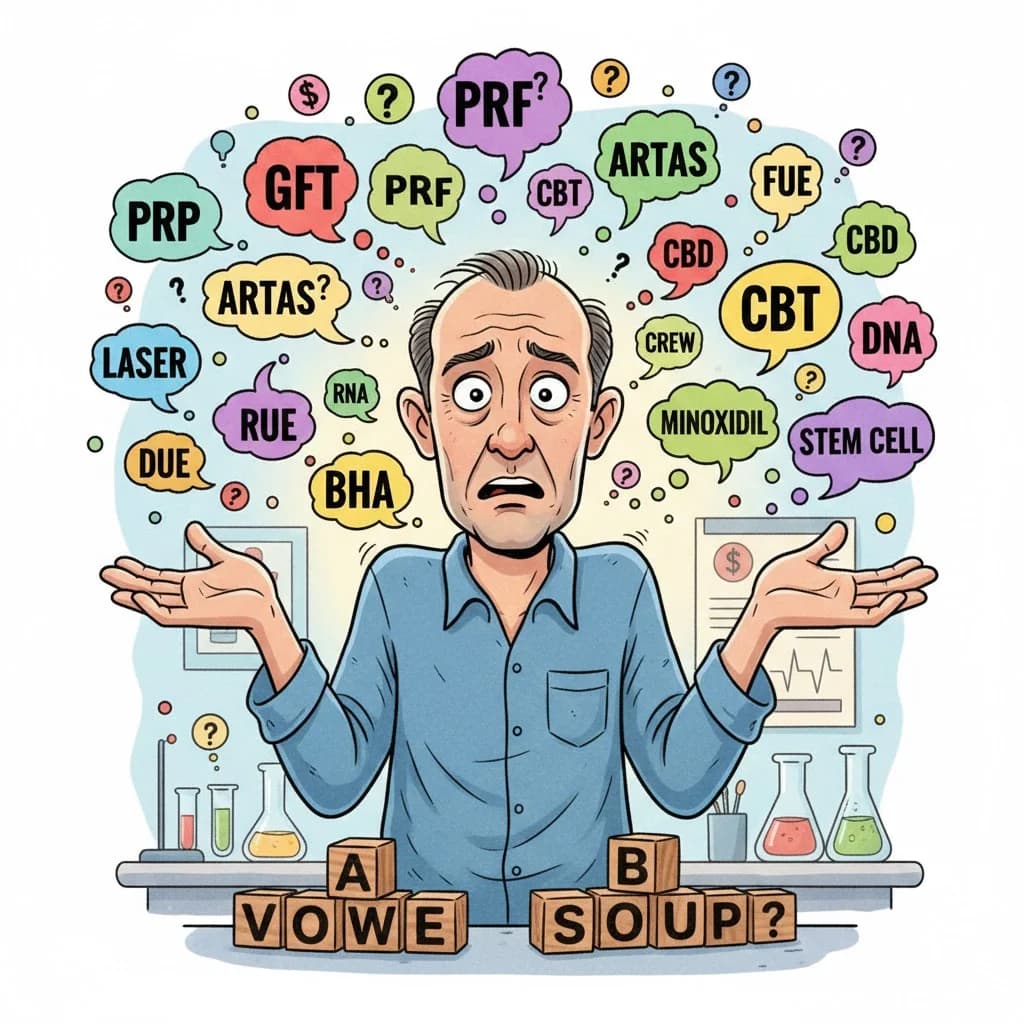
PRP, PRF and GFC: Can I Get a Vowel?
PRP or GFC After a Hair Transplant? Don’t Get Rinsed.

Don’t get rinsed by expensive clinic upsells.
So you’ve had a hair transplant. Congrats, the hard part’s over.
Now every clinic under the sun is trying to flog you PRP or GFC injections “to boost your results.”
Let’s be clear:
You don’t need them.
And anyone telling you otherwise is more interested in your wallet than your hairline.
What Is PRP or GFC?
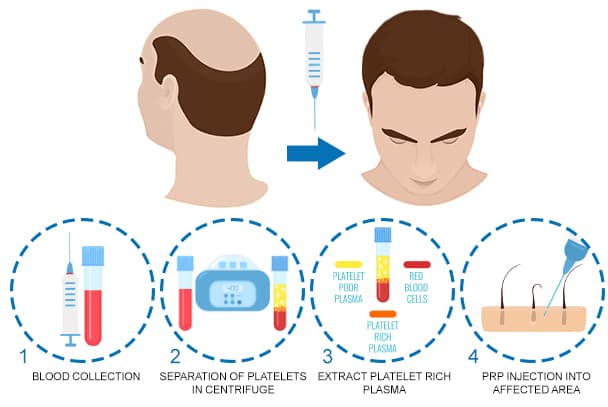
PRP (Platelet-Rich Plasma): They spin your blood in a machine and inject it back into your scalp.
GFC (Growth Factor Concentrate): A more concentrated variant of PRP using a different processing method. Higher concentration, higher price point, same absence of convincing evidence for hair loss specifically.
PRF (Platelet-Rich Fibrin): The newer generation. Processed without anticoagulants, which produces a slower-release fibrin matrix rather than a liquid. Some proponents argue this makes it more effective than PRP. The evidence for hair loss remains limited and no large-scale trials have established meaningful benefit over standard post-transplant care.
Both are marketed to speed up healing and stimulate growth, but here’s the truth.
What They Won’t Tell You
PRP or GFC won’t improve graft survival: Your grafts are either in or they’re not. Injecting platelet goo doesn’t change surgical skill.
They won’t magically boost growth: Most post-transplant growth happens on its own between months 3 to 9.PRP doesn’t fast-forward that.
Zero long-term benefit backed by solid data: Studies are small, biased, or inconclusive. “Better results” often means “thicker existing hair for four weeks.”
It’s a cash cow: Clinics love selling PRP packages because it’s low effort, high margin. No regulation, no guarantees.
What to Do Instead
Here’s what actually protects your result:
Finasteride or Dutasteride: blocks DHT, protects native hairs
Topical Minoxidil (with or without Tretinoin): improves thickness
Microneedling (0.5 mm to 1.0 mm): boosts absorption
Ketoconazole shampoo: keeps the scalp clean and healthy
Spend £300 a year on clinically proven treatments, not £300 a session on blood-spin sales pitches.
Beyond the Basics: Sapphire Blades & Laser Hats
1. Sapphire Blade “Upgrade”
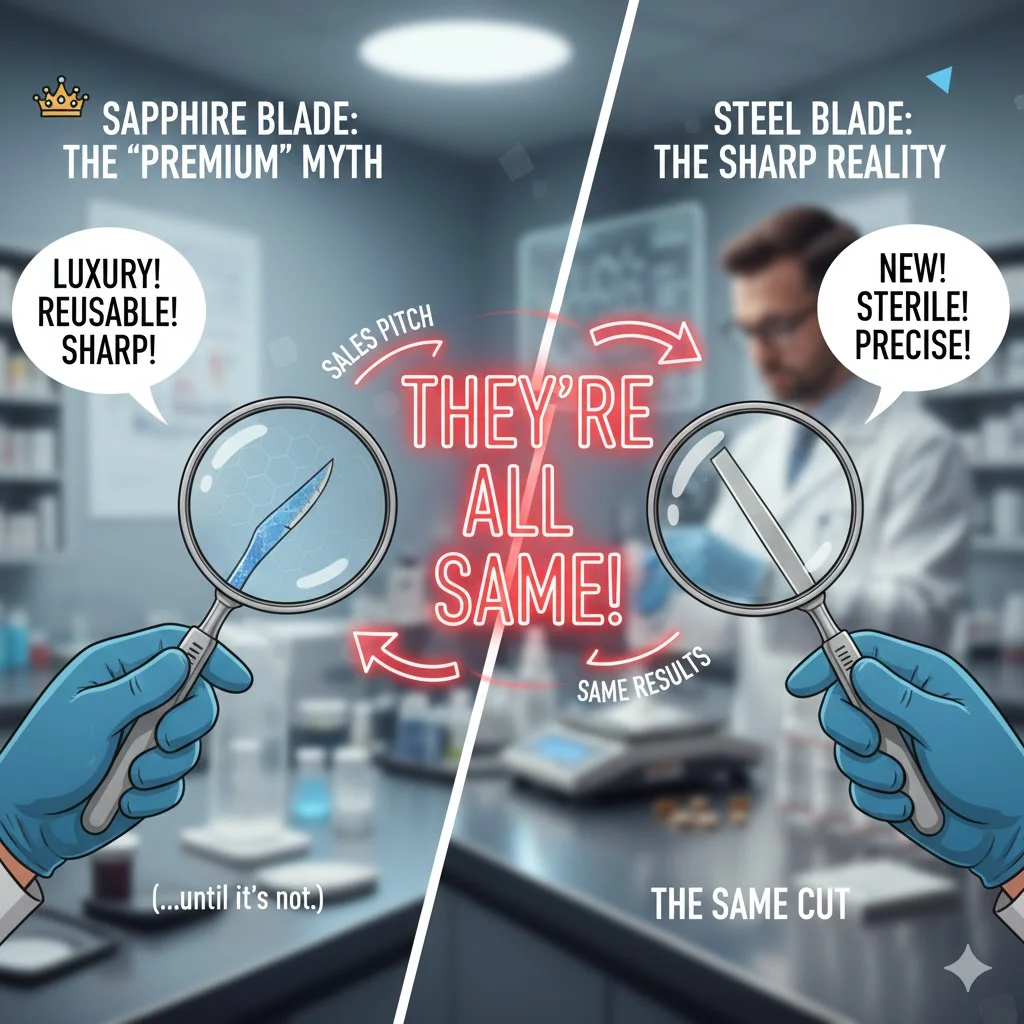
“THEY’RE ALL THE SAME!”, Don’t pay for the crystal, pay for the skill.
Some clinics charge extra for a “sapphire” FUE, implying it’s thinner, sharper, or somehow superior to traditional steel blades. In reality, sapphire vs. steel is mostly marketing. Key facts:
Sapphire blades are reusable. They’re not magically sharper forever - After around 50-100 incisions a sapphire blade is noticeably duller.just like any other reusable tool.
Steel blades can be single-use. Many practices use disposable steel punches that guarantee a fresh, ultra-sharp edge for every patient. A brand-new steel punch is just as fine as a sapphire blade, with zero risk of wear.
Blade thickness is essentially the same. A brand-new sapphire punch and a freshly manufactured steel punch are within a fraction of a millimeter of each other.
Bottom line: If your surgeon offers a fresh, single-use steel punch option, that is every bit as safe and precise as a reusable sapphire blade. The real advantage comes from surgeon skill, not the blade material.
2. Low-Level Laser Therapy (LLLT) Hats & Caps
Another “must-have” upsell you’ll see: a home-use laser cap or helmet. Here’s the reality:
LLLT after transplant: The evidence base for LLLT in post-transplant recovery specifically is weak. If you have £300-£800 spare, spend it on finasteride or dutasteride, treatments with a decade of data behind them."
Risk of false hope: If you shell out £300 to £800for a “laser hat,” you may be doing so at the expense of truly evidence-based steps like early topical minoxidil.
Bottom line: A laser hat isn’t harmful, but consider it a low-priority, optional extra at best. It’s more “nice-to-have” marketing than a must-have post-transplant.
Putting It All in Perspective
For the vast majority of transplant patients, spending on the right surgeon + strict aftercare (minoxidil, vitamin support, gentle wash) is far more impactful than dropping extra on “sapphire” tools or laser hats. If budget is tight, funnel that money into clinically proven treatments - The best post-transplant investment is a surgeon who doesn't need to sell you anything after the procedure.
Medical reviewer: Dr Ahmad Moussa MB BCh, MSc, MRCS(Eng), MD, FRCS(SN), NHS Neurosurgeon and Hair Transplant Surgeon.
Published: . Last updated: . Last reviewed: . All prescription medications are dispensed by a GPhC registered UK partner pharmacy.
Disclaimer: this page is for general information only and does not constitute medical advice. Prescription treatments are not appropriate for everyone. Prescription only treatment is supplied only where a UK registered prescriber judges it clinically appropriate after reviewing your online medical questionnaire.
Related Articles
How Much Systemic Absorption From Topical Finasteride
9 Feb 2026

We are now offering free consultations in Birmingham
30 Jan 2017
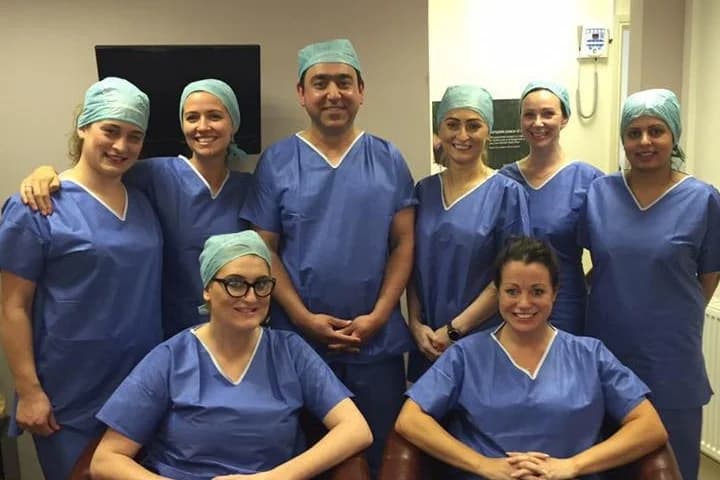
Workingasadoctor.com Recommends Hair Repair Clinic
31 Dec 2016

Behind the Scenes with the Hair Repair Clinic Team
15 Oct 2016
PRP for Hair Loss, Platelet Rich Plasma Treatment
29 Mar 2026
Scalp Micro Pigmentation for Men, SMP Treatment
29 Mar 2026