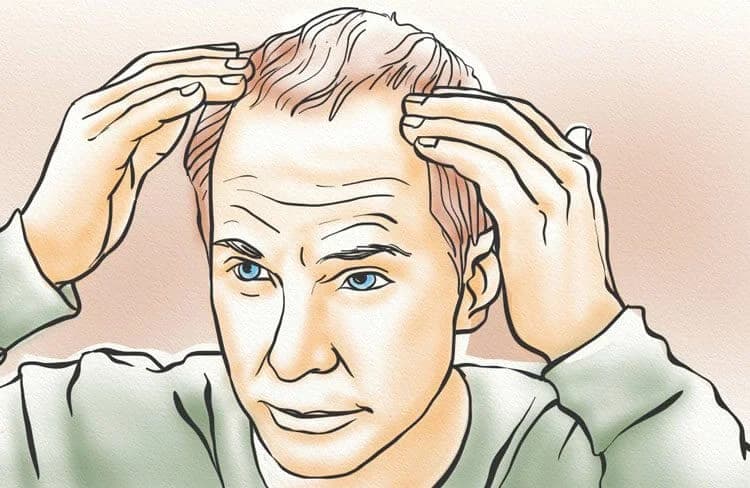
The Truth Behind Hair Loss Treatments
Hair Loss Treatments in the UK, What Actually Works in 2026
Hair loss affects around half of British men before the age of 50 and a significant proportion of women by midlife. The good news is that the treatment landscape in 2026 is considerably more effective than it was even five years ago, and knowing which treatments are worth your time and money makes a meaningful difference to outcomes.
The right treatment depends on the cause
Not all hair loss is the same and not all treatments work for all types. The most common cause, androgenetic alopecia, or pattern hair loss, is driven by genetics and DHT, a hormone that causes follicles to miniaturise over time. This type responds well to medication and, where significant loss has already occurred, to hair transplant surgery.
Other types of hair loss have different causes and different treatments. Telogen effluvium, sudden diffuse shedding triggered by stress, illness, or nutritional deficiency, is usually temporary and self-resolving. Alopecia areata is autoimmune and treated differently again. Getting the diagnosis right before choosing a treatment matters more than most people realise.
Medication, the first line of treatment
For androgenetic alopecia caught early, prescription medication is the most evidence-based starting point.
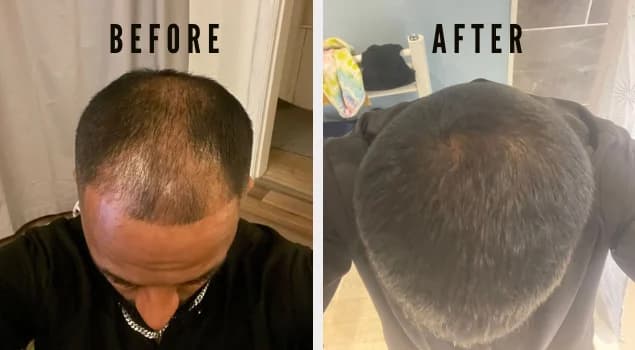
Finasteride 1mg daily blocks DHT production and has decades of clinical data behind it. A five year randomised controlled trial showed 90% of men experienced either maintained or improved hair count. It works best when started early, before significant ground has been lost.
Dutasteride 0.5mg daily is stronger, blocking DHT more completely than finasteride. A 2025 meta-analysis of 33 randomised controlled trials ranked it as the most effective oral monotherapy for male pattern hair loss currently available. It's prescribed off-label in the UK and increasingly used for men who haven't responded adequately to finasteride.
Topical formulations of both drugs, applied directly to the scalp, are now widely available through UK compounding pharmacies. They produce lower systemic absorption than oral tablets, which is relevant for men concerned about side effects. Our topical finasteride and topical dutasteride formulations use a TrichoSol base that improves scalp penetration without alcohol or propylene glycol.
Minoxidil, topical or low-dose oral, works through a completely different mechanism to finasteride and dutasteride. It directly stimulates follicle activity regardless of DHT levels, making it a useful addition to any treatment plan and suitable for both men and women.
When medication isn't enough
Medication slows and stops hair loss. It does not restore hair that has already been permanently lost. If your hairline has receded substantially or you have visible scalp at the crown, the realistic options are surgical or cosmetic.
FUE hair transplant surgery relocates individual follicles from the donor area at the back of the scalp, where hair is genetically resistant to DHT, to areas of loss. Results are permanent. The transplanted hair behaves like the donor hair it came from.
FUT removes a strip of donor scalp which is then dissected into grafts. It allows higher graft counts in a single session and is the preferred technique for patients requiring maximum coverage.
Scalp micropigmentation is a non-surgical option, a specialist cosmetic tattoo that creates the appearance of a closely shaved head or denser hair. It works well as a standalone solution for advanced loss or as a finishing complement to a transplant.
What doesn't work
PRP for male pattern baldness, the evidence is weak and we don't recommend it as a primary treatment for androgenetic alopecia. Laser caps and helmets, not harmful but not supported by robust clinical evidence. Expensive supplements, biotin deficiency is rare; if your diet is adequate, supplements won't move the needle.
How to choose
Early stage thinning, start with finasteride or topical finasteride plus minoxidil. Give it twelve months before drawing conclusions.
Moderate ongoing loss, consider stepping up to dutasteride and add microneedling to improve topical absorption.
Advanced loss, medication will protect remaining hair but won't restore what's gone. Consult a hair transplant surgeon.
The most important step is speaking to someone who will give you an honest assessment rather than sell you the most expensive option. At Hair Repair Clinic you speak directly with the surgeon or clinician, not a salesperson.
Want the short version? Read Matthew's Male Hair Loss Cheat Codes for the four things that actually work, and everything you can safely skip.
See also: Our complete UK hair loss treatment guide covers every option, from over-the-counter to prescription.
Medical reviewer: Dr Ahmad Moussa MB BCh, MSc, MRCS(Eng), MD, FRCS(SN), NHS Neurosurgeon and Hair Transplant Surgeon.
Published: . Last updated: . Last reviewed: . All prescription medications are dispensed by a GPhC registered UK partner pharmacy.
Disclaimer: this page is for general information only and does not constitute medical advice. Prescription treatments are not appropriate for everyone. Prescription only treatment is supplied only where a UK registered prescriber judges it clinically appropriate after reviewing your online medical questionnaire.
Related Articles
4 Signs That You Are Losing Your Hair
15 Jun 2026
PRP Therapy- Thicken your hair and prevent ongoing hair loss
9 May 2026
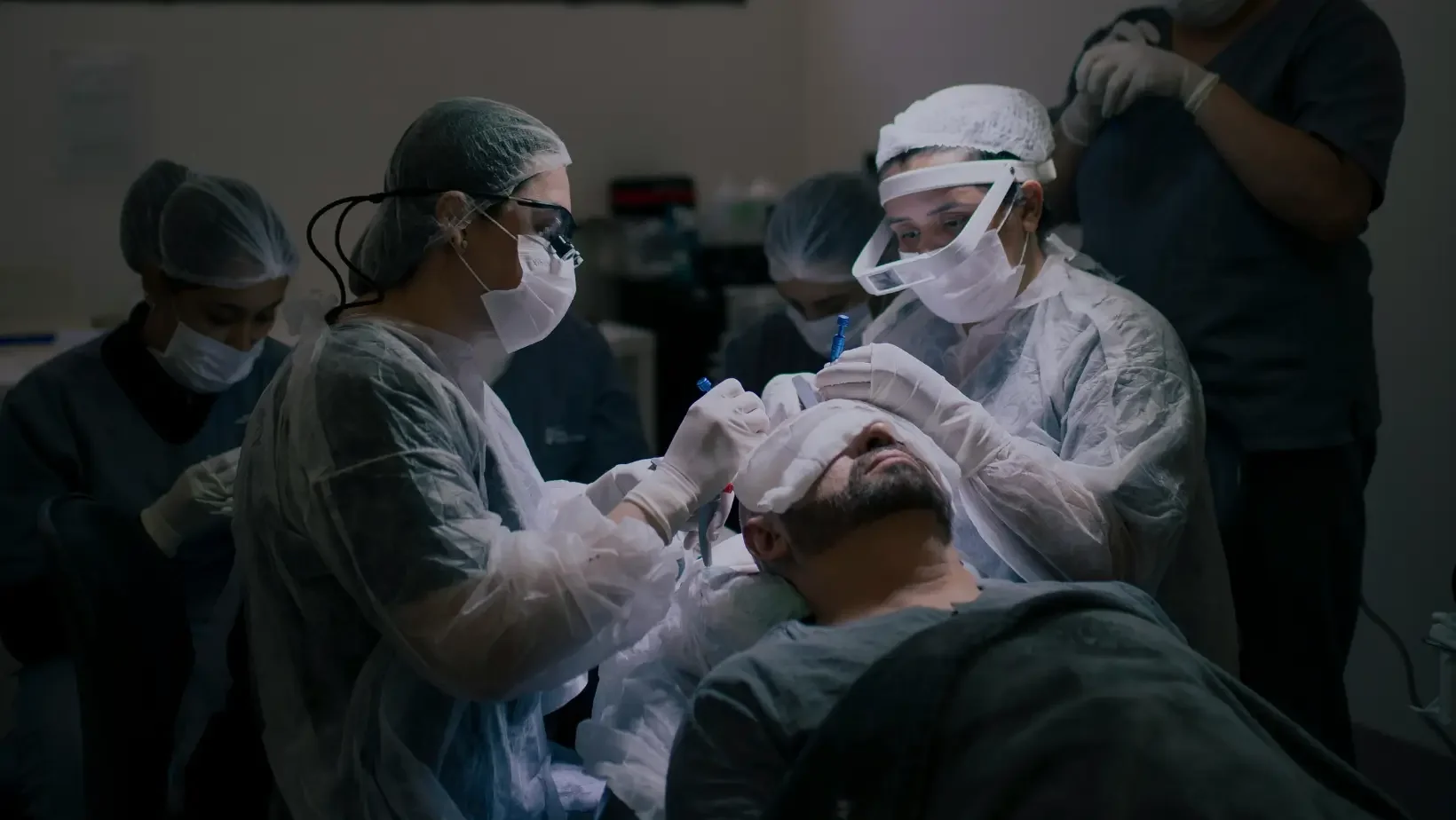
FUE vs. FUT Hair Transplants: Which is Better?
15 Feb 2025
Proven Hair Loss Treatments
7 Feb 2025

Should You Use Ketoconazole Shampoo for Hair Loss?
5 Jun 2024
The Norwood Reaper and The Big 3
10 Jan 2024