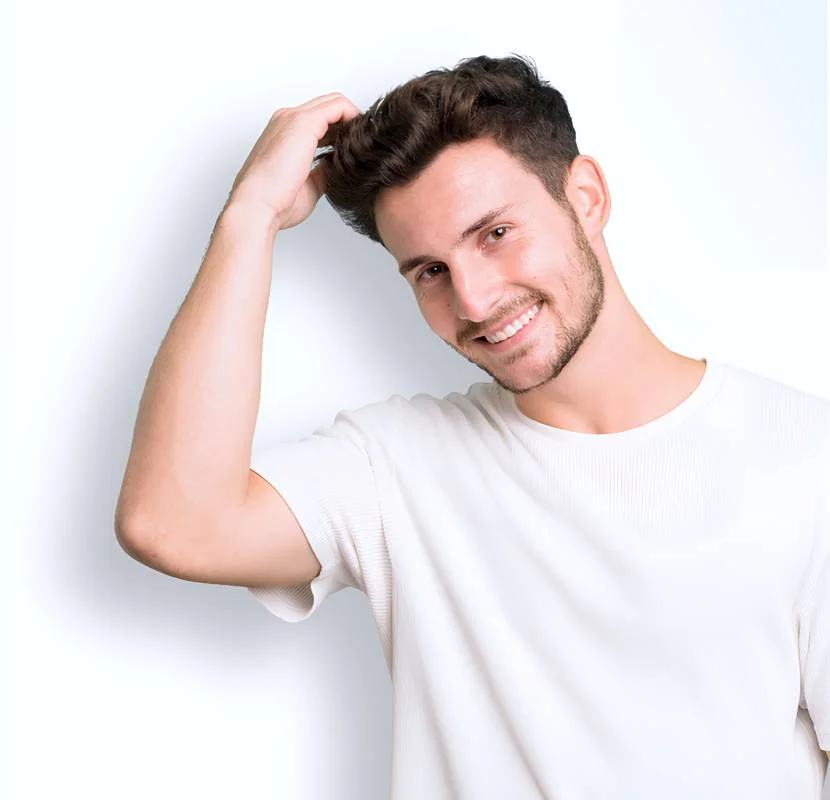
Life-changing result
Six months in and the difference is genuine. Dr Moussa spent hours with me on the day, and Jake stayed in touch every week afterwards. Zero pressure, everything explained.
— Jonathan R.
Hair Repair Clinic
Every procedure performed by Dr Ahmad Moussa, NHS Neurosurgeon and Hair Transplant Surgeon (GMC 6065705). Transparent all-in pricing, hotel included for travellers, 12 months of prescription hair loss medication included, no-quibble policy.
Everything about our model is built to protect your result, your money and your trust.
Your first call is with our patient coordinator. Your second is a full video review with Dr Moussa himself. No sales team. No commission. You speak to the people who will actually perform your surgery.
Hairline restoration £4,500. Crown £4,500. Hairline and crown together £5,500. Prices include: hotel accommodation for travelling patients, 12 months of prescription hair loss medication from our GPhC registered UK partner pharmacy, your surgeon assessment and local anaesthetic, full aftercare and follow-up reviews, our no-quibble deposit refund policy. No hidden extras.
If you are travelling to us, your overnight stay near the clinic is included in the price. Arrive relaxed. Recover comfortably. Go home the next day.
Every procedure includes 12 months of prescription hair loss medication, dispensed by our GPhC registered UK partner pharmacy. Ongoing meds protect your surrounding native hair and hold your result.
Change your mind before your procedure date and we refund your deposit. No questions, no hard sell. We would rather you were sure than push you into surgery you are not ready for.
Every procedure below is surgeon-led by Dr Moussa or supported by Rebecca, our registered Trichologist. Click through to the full page for detail, pricing and FAQs.
Follicular Unit Extraction: individual follicles, no linear scar, shorter recovery. The most popular technique.
£4,500
Read moreFollicular Unit Transplantation: strip method, higher graft yields in a single session, hidden linear scar.
£5,500
Read moreFemale pattern hair loss addressed with careful hairline design and native-hair preservation. Non-shave options available.
From £4,000
Read moreFill patchy growth, sharpen a jawline, or restore a full beard. FUE precision applied to facial hair.
From £4,000
Read moreRebuild sparse or over-plucked brows with single-hair FUE placement for natural angle and direction.
£3,000
Read moreEverything you do in the weeks before and the months after your procedure. Written by our surgical team.
Read moreOur surgeon. NHS Neurosurgeon and Hair Transplant Surgeon, GMC 6065705. One patient at a time, no salesmen in the room.
Read moreRegistered Trichologist. Pre-op suitability, post-op scalp care, ongoing medication guidance.
Read moreMedication first
Hair transplant surgery is the right answer when follicles have died and no medication will bring them back. Before that point, prescription-strength topicals and oral treatments can slow, stop or reverse hair loss without a scalpel.
Early loss
Slight thinning, no visible scalp. DHT blockers (finasteride, dutasteride) plus minoxidil, plus microneedling. Can slow or stabilise progression, with visible improvement in many patients.
Moderate loss
Visible thinning, receding hairline. Full medical stack, plus an early conversation about surgery so you have a plan for when medication plateaus.
Advanced loss
Dead follicles, bare scalp. Surgery restores what medication cannot. Ongoing medication protects the native hair behind the transplant.
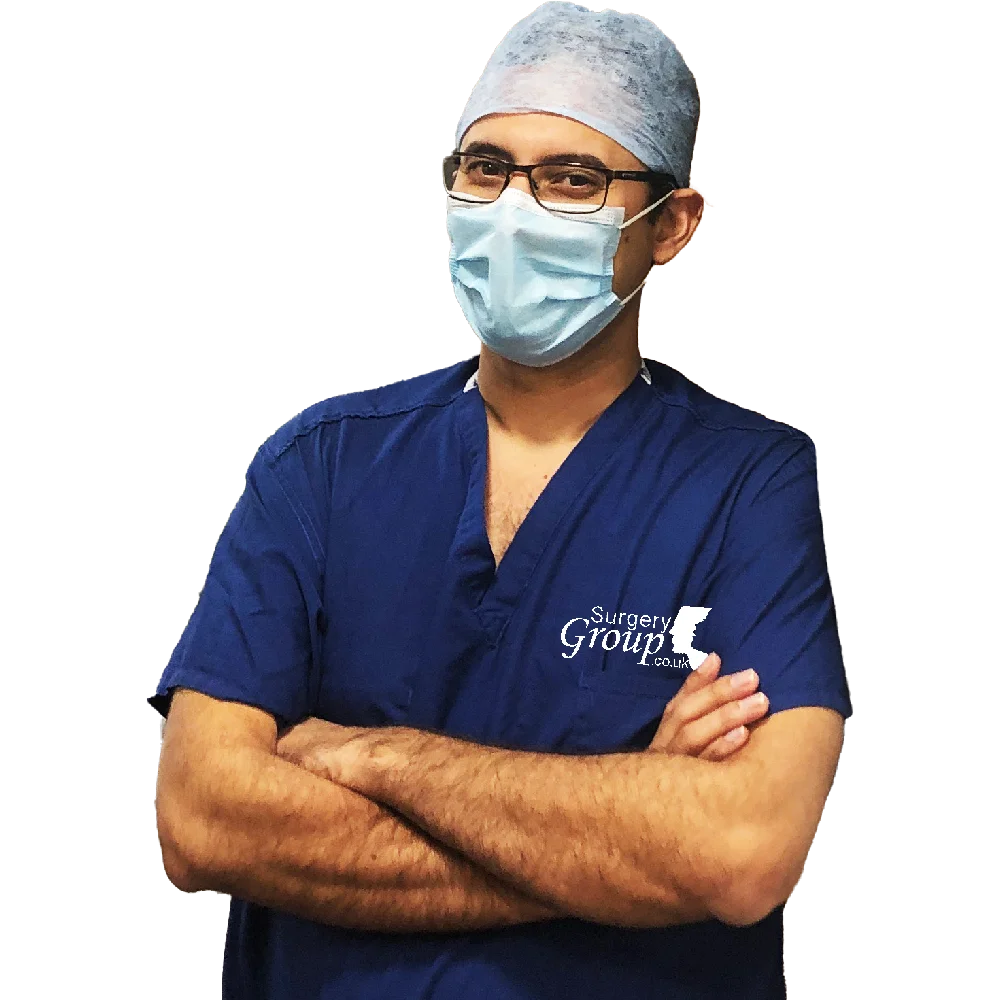
Your surgeon
MB BCh, MSc, MRCS(Eng), MD, FRCS(SN). GMC 6065705.
Dr Moussa is an NHS Neurosurgeon and Hair Transplant Surgeon who performs every hair transplant at Hair Repair Clinic personally. His neurosurgical background brings a level of precision and hairline artistry that most transplant clinics do not have.
He treats one patient per day. You get his full attention from consent through to the last graft. Corza single-use instruments. No production line. No junior surgeons rotating in.
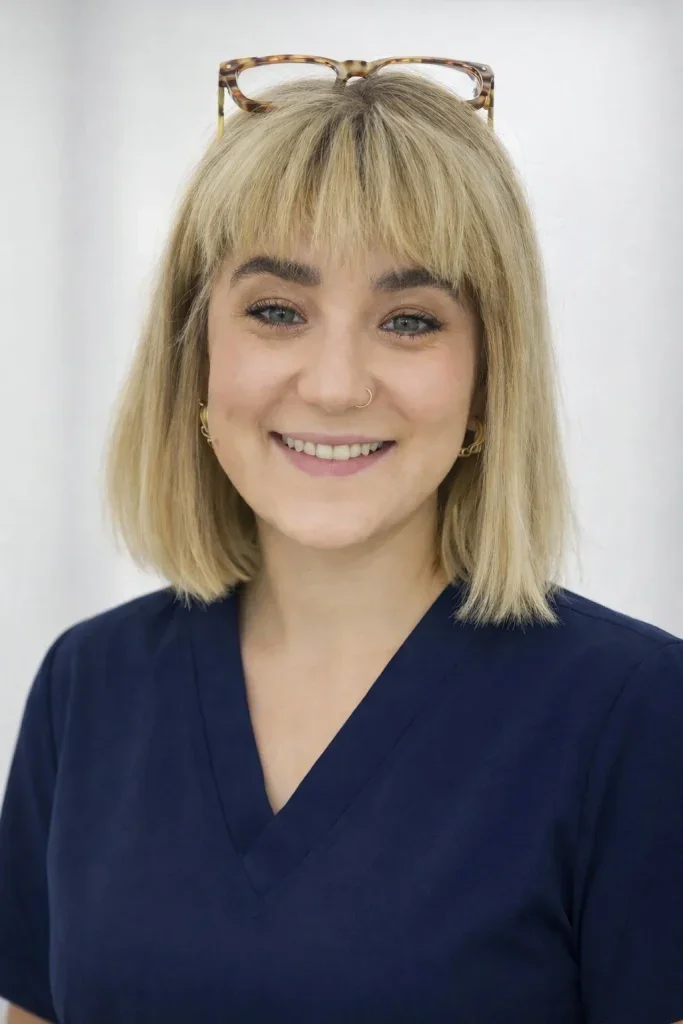
Your trichologist
Rebecca is registered with the Association of Registered Trichologists. She reviews every case before surgery to confirm you are a suitable candidate and to build a scalp health plan for the year ahead.
Pre-op suitability. Post-op scalp care. Ongoing medication guidance. Microscopic scalp analysis for patients whose diagnosis is not yet clear.
From the first form to your 12-month follow-up. No sales calls at any stage.
Fill in the short intake form. Jake, our patient coordinator, will call you within 24 hours to talk you through the process, your options, and whether you are ready for surgery.
A full video review with the surgeon. He assesses your photos, discusses realistic outcomes, plans your graft count and hairline design. If surgery is not right for you, he will tell you.
6 to 8 hours in one of our UK clinics under local anaesthetic. One patient a day. Hotel included if you are travelling. You go home the same evening.
Aftercare from Rebecca and the team. 12 months of prescription medication dispensed monthly. Regular photo check-ins so we can watch the result come in with you.
One price list, by area rather than graft count. Every price includes the same things.
Hairline restoration
Frontal recession, temple work, hairline design
£4,500
Crown restoration
Crown only, sold on its own
£4,500
Hairline and crown
Frontal restoration and crown together
£5,500
Combined FUT/FUE
4,500+ grafts
£8,000
Beard patch repair
Cover scars, burn marks, or localised patchy loss
£3,000
Beard transplant
Depends on coverage
£4,000 to £6,000
Eyebrows
Single-hair placement for sparse or over-plucked brows
£3,000
Female hairline restoration
Hairline design and native-hair preservation
From £4,000
Prices include: hotel accommodation for travelling patients, 12 months of prescription hair loss medication from our GPhC registered UK partner pharmacy, your surgeon assessment and local anaesthetic, full aftercare and follow-up reviews, our no-quibble deposit refund policy. No hidden extras.
Real UK patients, real results. Full stories at /patient-stories.
Six months in and the difference is genuine. Dr Moussa spent hours with me on the day, and Jake stayed in touch every week afterwards. Zero pressure, everything explained.
— Jonathan R.
I looked at Turkey and I looked at half a dozen UK clinics. Only one wanted to talk to me about NOT having surgery if the meds could still work. That is why I went with them.
— Mr S. A.
Straight in with the surgeon, straight to the plan, straight to the price. No upsell. Twelve months on and I have my hairline back, and my meds show up every month.
— Jack C.
One patient a day means you get the surgeon’s full attention. Rebecca reviewed my scalp before we booked and gave me options I did not know existed. Recovery was smoother than I expected.
— Marc T.
Straight talk
Follicles are moved from donor areas (the back and sides) into thinning areas. Your total hair count does not go up. Good planning is the difference between a great result and a wasted donor supply.
Non-transplanted hair around the transplant can continue to thin over time. This is why every procedure comes with 12 months of medication and a conversation about staying on it long term.
If the surrounding hair keeps receding and you do nothing about it, the transplanted patch will end up looking isolated on a bare scalp. Medication protects the result. We say so up front.
Donor density, scalp laxity, age, family pattern, and current medication use all affect whether surgery is the right move. Dr Moussa will tell you if it is not. That is the point of the assessment.
A 15-minute call with our team, free, no pressure. Then a full video review with Dr Moussa if surgery is right for you.