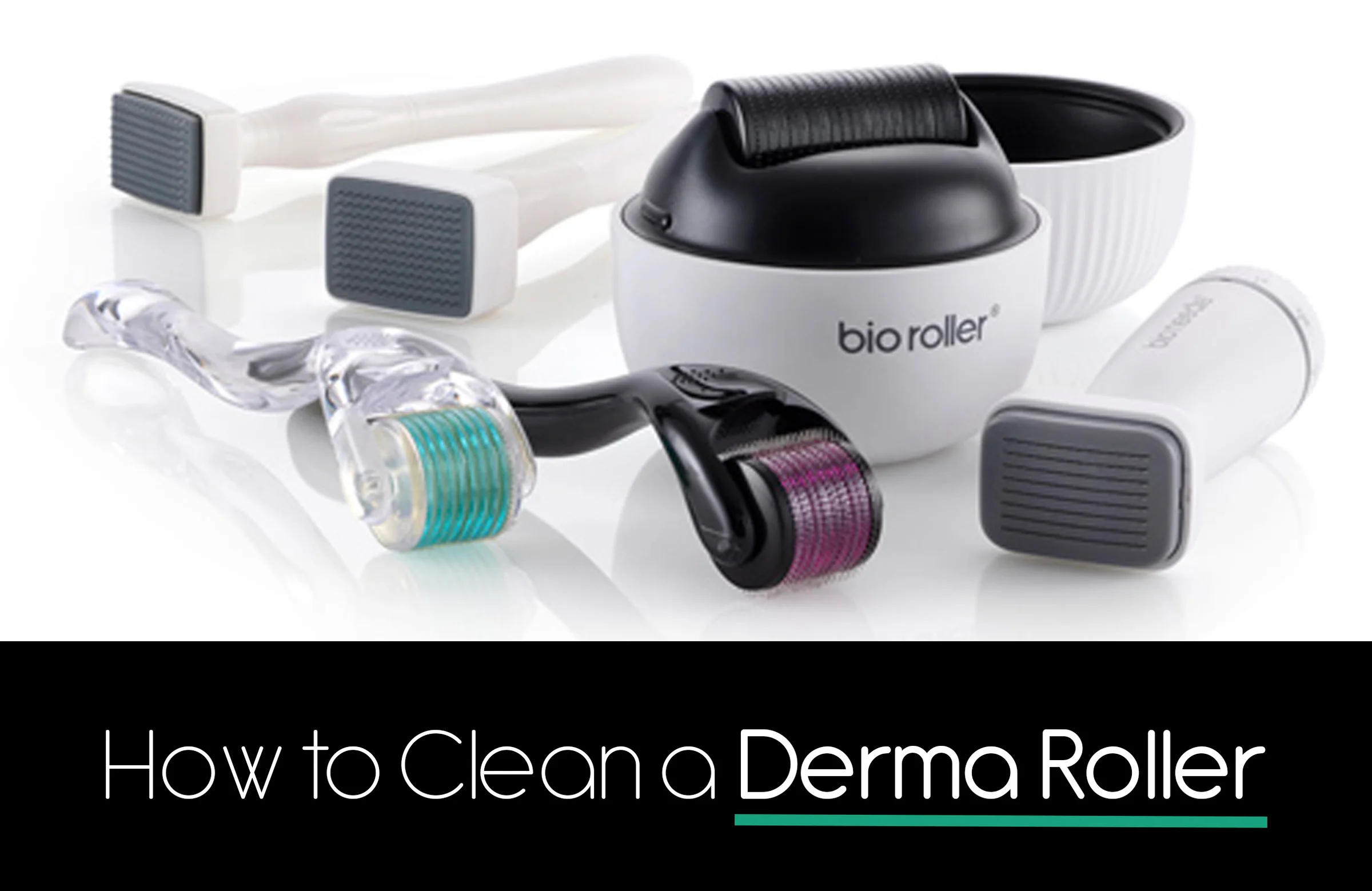
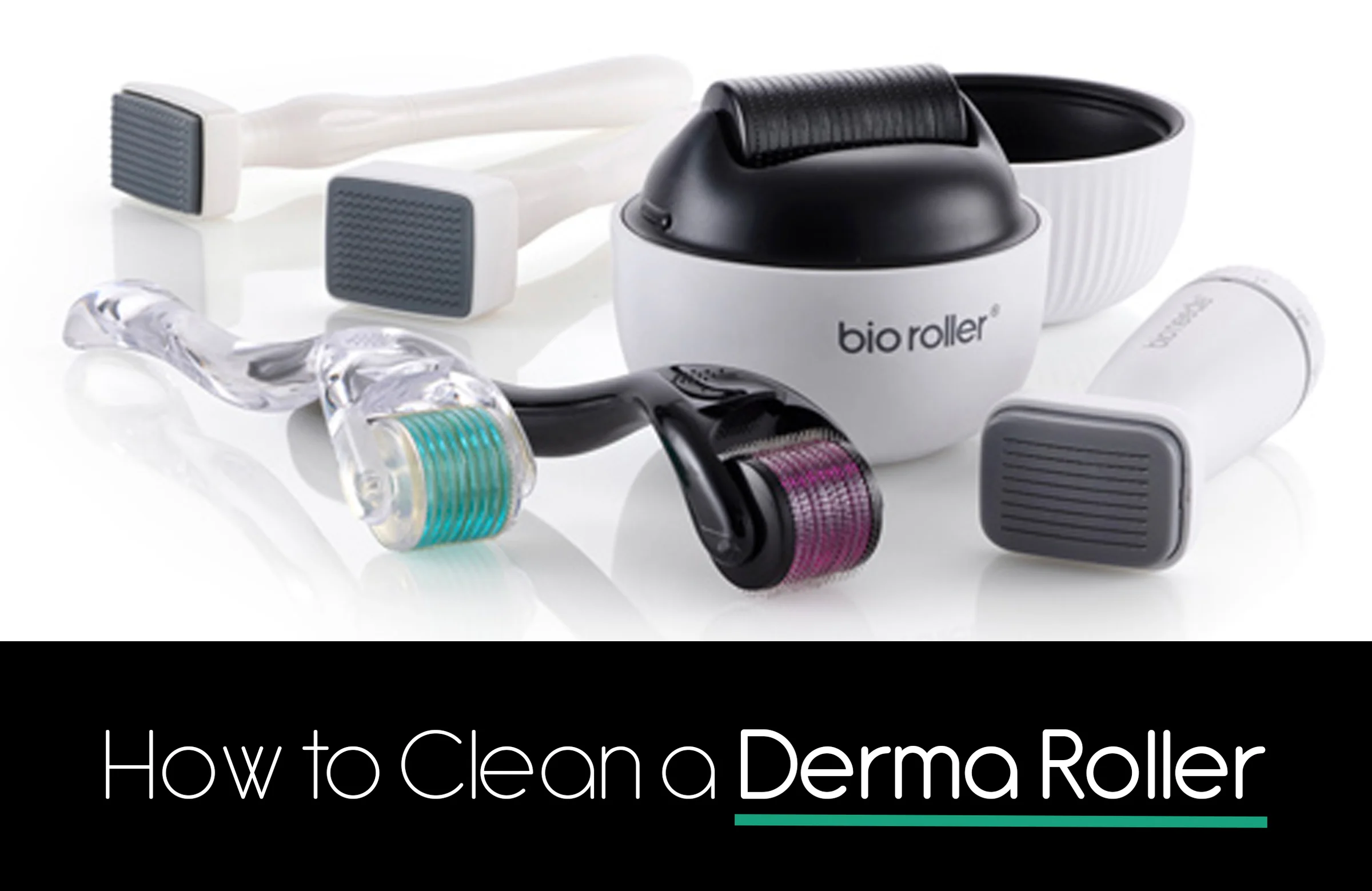
How to Clean a Derma Roller
Last updated: 4 July 2026 · Medically reviewed by Dr Ahmad Moussa, NHS Neurosurgeon and Hair Transplant Surgeon
A derma roller is a hand-held tool with fine surgical needles used for scalp microneedling and skin treatments. Because those needles puncture your skin, keeping the roller sterile is essential. Cleaning it wrong (or not at all) can push bacteria straight into the follicles you are trying to heal.
This is a step-by-step UK guide covering the two methods that actually work: the recommended isopropyl-alcohol soak, and a quick soap clean for between deep cleans. It also covers how often you should clean it, when to replace it, and what to do if you cannot use alcohol.
Method 1: Isopropyl Alcohol or Hydrogen Peroxide (Recommended)
This is the deep-clean method to use after every session. It fully sterilises the needles and takes about 15 minutes end to end.
You will need:
- Isopropyl alcohol (60% to 90% strength) or 3% hydrogen peroxide
- A small clean bowl or plastic container
- Warm running water
- A clean paper towel
Steps:
- Rinse under warm water for 2 to 3 seconds. Hold the roller under the tap to wash off surface debris (skin cells, product residue, any trace of blood). This is quick but important; alcohol does not lift solids well on its own.
- Fill your bowl with alcohol or peroxide until it covers the needle head fully. Under 60% isopropyl is too dilute to sterilise properly, so check the bottle strength before you start.
- Soak the roller head-down for 10 to 15 minutes. Needles facing up into the solution. Set a phone timer so you do not have to guess.
- Rinse again under warm running water for 30 to 60 seconds. Removes any remaining debris and washes off residual alcohol so it does not sting your scalp on the next session.
- Air-dry on a paper towel, head-down. Leave 10 to 20 minutes. Do not use a cloth towel, threads catch on the needles.
- Return to its protective case. Storing it in the open kitchen counter or bathroom shelf reintroduces bacteria that would otherwise land right back on your scalp.
Method 2: Soap and Warm Water (Quick Clean)
Use this on days between deep cleans, or as a between-session quick reset if you are microneedling more than once a week. It removes surface debris but does not fully sterilise, so it should not replace Method 1.
- Fill a small container with warm water and 3 to 5 drops of unfragranced dish soap or Castile soap. Stir gently.
- Soak the roller head-down for 10 to 20 minutes.
- For a deeper clean, gently brush the needles with a new soft toothbrush. One-directional strokes only, moving across the needles side-to-side snags and bends them.
- Rinse and air-dry as with Method 1.
Alcohol-Free Alternatives
If you cannot use isopropyl alcohol or hydrogen peroxide (allergy, sensitive skin, breathing conditions), the two viable alternatives are:
- Sterilising tablets (the kind used for baby bottle equipment). Dissolve one in cold water per the packet instructions and soak the roller for the full contact time on the packet, usually 30 minutes.
- Boiling water rinse. Not a stand-alone sterilisation, but a 60-second dip in freshly-boiled water followed by air-drying kills most bacteria. Use this in combination with the soap method, not on its own.
How Often Should You Clean Your Derma Roller?
- Before every session: quick rinse under warm water.
- After every session: full Method 1 alcohol or peroxide soak.
- Weekly deep clean: only if you microneedle daily; otherwise Method 1 after each use is enough.
Skipping the after-session clean is the single most common mistake. Bacteria multiply on damp needles within hours.
When to Replace Your Derma Roller
Even a properly cleaned derma roller has a finite life. Needles blunt with use and eventually stop puncturing the skin cleanly (which increases the risk of infection and reduces the treatment effect). Replace your roller if you notice any of the following:
- Needles look bent, discoloured or crusted, even after cleaning
- Rolling no longer feels as sharp as it did on the first use
- You have been using the same roller for more than 10 to 15 sessions at 0.5mm or above
- You have been using it for more than 3 months, regardless of frequency
New derma stamps and rollers are inexpensive and the small replacement cost is well worth it for scalp safety.
Frequently Asked Questions
Can I clean a derma roller with just water?
No. Water rinses off surface debris but does not kill bacteria. Always follow the water rinse with either alcohol, peroxide, or sterilising tablets.
Can I use vodka or other spirits instead of isopropyl alcohol?
Vodka is typically 40% alcohol, which is well below the 60% minimum needed to actually sterilise. Use dedicated isopropyl (rubbing) alcohol at 60% or higher.
How do I disinfect a new derma roller before the first use?
Even new rollers should be sterilised before their first session. Run through the full Method 1 alcohol soak before you use it for the first time.
Is it safe to share a derma roller?
No, even with cleaning. Sharing risks transferring blood-borne pathogens. Every user needs their own roller.
What happens if I do not clean my derma roller between sessions?
Bacteria on unclean needles can be pushed directly into scalp follicles, causing folliculitis (small painful pustules), infections, or slow healing. In severe cases this creates scarring that undoes any benefit from microneedling.
For a full walk-through of how microneedling boosts topical hair loss treatment absorption, see our step-by-step topical application guide.
See also: Our complete UK hair loss treatment guide covers every option, from over-the-counter to prescription.
Medical reviewer: Dr Ahmad Moussa MB BCh, MSc, MRCS(Eng), MD, FRCS(SN), NHS Neurosurgeon and Hair Transplant Surgeon.
Published: . Last updated: . Last reviewed: . All prescription medications are dispensed by a GPhC registered UK partner pharmacy.
Disclaimer: this page is for general information only and does not constitute medical advice. Prescription treatments are not appropriate for everyone. Prescription only treatment is supplied only where a UK registered prescriber judges it clinically appropriate after reviewing your online medical questionnaire.
Related Articles
Pharma Hermetic Professional Hair Recovery Kit
8 Apr 2021
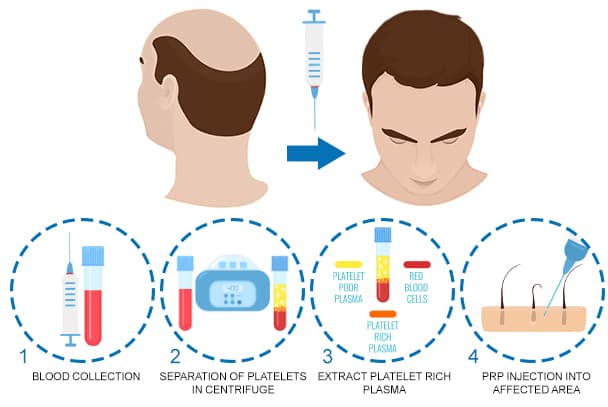
PRP for Hair Loss, Platelet Rich Plasma Treatment
29 Mar 2026
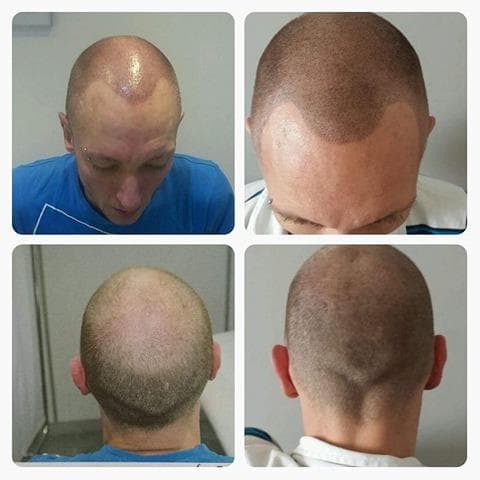
Scalp Micro Pigmentation for Men, SMP Treatment
29 Mar 2026
Topical Melatonin for Hair Loss UK Guide
29 Sept 2026
Spironolactone for Hair Loss UK: The Complete Guide
29 Sept 2026
Topical vs Oral Finasteride: Which is Better for Hair Loss in the UK
10 Sept 2026