Women's Hair Loss Treatment in the UK
Almost everything written about hair loss describes a receding hairline and a bald crown. That is not what happens to most women, which is a large part of why this gets dismissed for years before anyone takes it seriously.
This guide sets out what is actually available to you, what each treatment does, what it costs you in side effects, and how to work out which one fits your situation.
Find the plan that fitsA few questions about your hair, then the plan built for it. No appointment.
1. How women lose hair, and why it gets missed
The scale used to grade male hair loss does not describe what happens to women at all. Women lose density across the top of the head while the hairline holds, so the change is spread out and slow, and the mirror hides it until quite a lot has gone. More than one of these patterns can run at the same time, which is the usual reason a treatment that worked for a friend does nothing for you.
Female pattern hair loss
The most common cause. The parting widens, the hair over the top of the head becomes finer and shorter, and the density at the crown drops, while the hairline at the front usually stays where it is. It runs in families and often becomes noticeable around the perimenopause, when falling oestrogen leaves the effect of androgens less opposed.
The tell: Gradual over years. Parting widest at the front. Hairline intact.
Telogen effluvium (a shedding event)
A sudden, heavy, all-over shed that begins two to three months after a trigger: childbirth, illness, surgery, a general anaesthetic, a crash diet, stopping the pill, or a sustained period of stress. Hair comes out by the handful in the shower. It is frightening and it is usually self-limiting.
The tell: Sudden, diffuse, follows a trigger by two to three months. Usually recovers.
Something treatable underneath
Low iron stores, an under-active or over-active thyroid, coeliac disease and polycystic ovary syndrome all show up in the hair. These need identifying and treating in their own right. No scalp treatment substitutes for correcting the cause, and treating the scalp while the cause runs on tends to disappoint.
The tell: Often comes with fatigue, heavy periods, irregular cycles or skin changes.
Traction (pulling and styling)
Tight ponytails, braids, weaves and extensions worn for years thin the hair at the temples and along the hairline. Caught early it recovers fully. Left long enough the follicle scars and it does not come back, which is why this one is worth acting on quickly.
The tell: Thinning at the temples and hairline specifically, not the crown.
2. What to rule out before you treat anything
This is the step most places selling hair loss treatment skip, because it does not sell anything. It matters more in women than in men. A reversible cause is common, and treating the scalp while that cause runs on is how people waste a year. Ask your GP for these, or arrange them privately.
Ferritin (iron stores)
The single most common reversible contributor in women. Ferritin can be low enough to affect hair while a standard full blood count still reads normal, so ask for ferritin by name rather than just "iron".
Thyroid function (TSH, and free T4)
Both an under-active and an over-active thyroid cause diffuse thinning. Thyroid disease is several times more common in women, and hair is often one of the first things to change.
Full blood count
Picks up anaemia and gives context to the ferritin result. Heavy periods are a frequent and easily missed cause of both.
Vitamin D
Commonly low in the UK, and low levels are associated with telogen effluvium and alopecia areata. Worth correcting, though correcting it alone rarely fixes pattern loss.
Androgens, if the picture fits
Irregular or absent periods, acne past the teenage years, or coarse hair on the face, chest or abdomen point towards PCOS or another androgen excess. That changes which treatment makes sense, so it is worth establishing first.
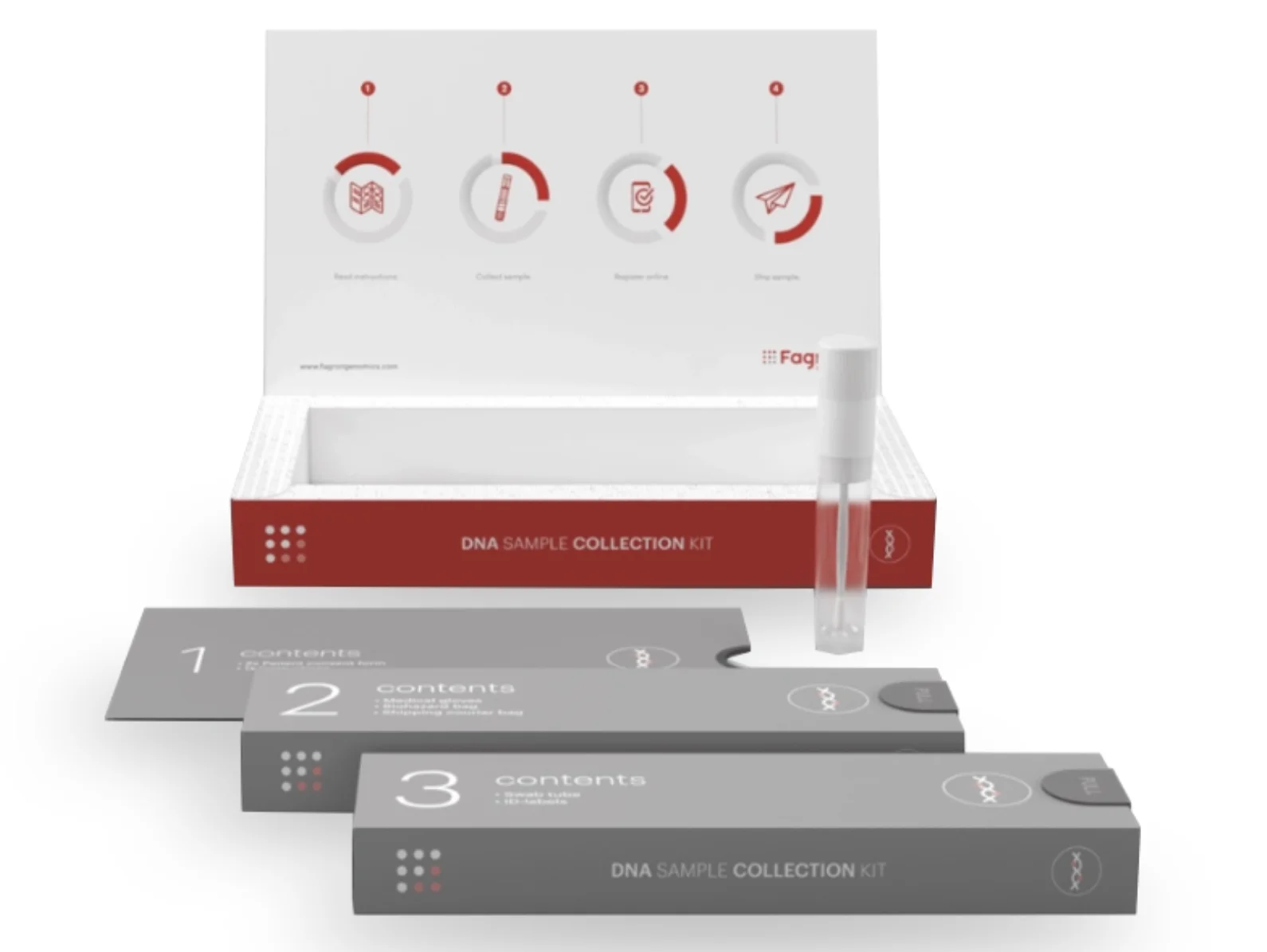
If you would rather understand the genetics of how you are likely to respond before committing to anything, a genetic hair loss test profiles the variants that influence how well individual treatments tend to work for you.
Not sure which of the four patterns you are dealing with? A few questions about how your hair has changed will narrow it down, and point you at the plan built for it.
Work out what I have3. The treatments that work for women
There are two jobs to do: stimulate growth, and where androgens are driving the loss, reduce their effect at the follicle. Most good results in women come from doing both, not from finding a single perfect product. Every prescription item below is decided and dosed by a UK prescriber after reviewing your questionnaire.
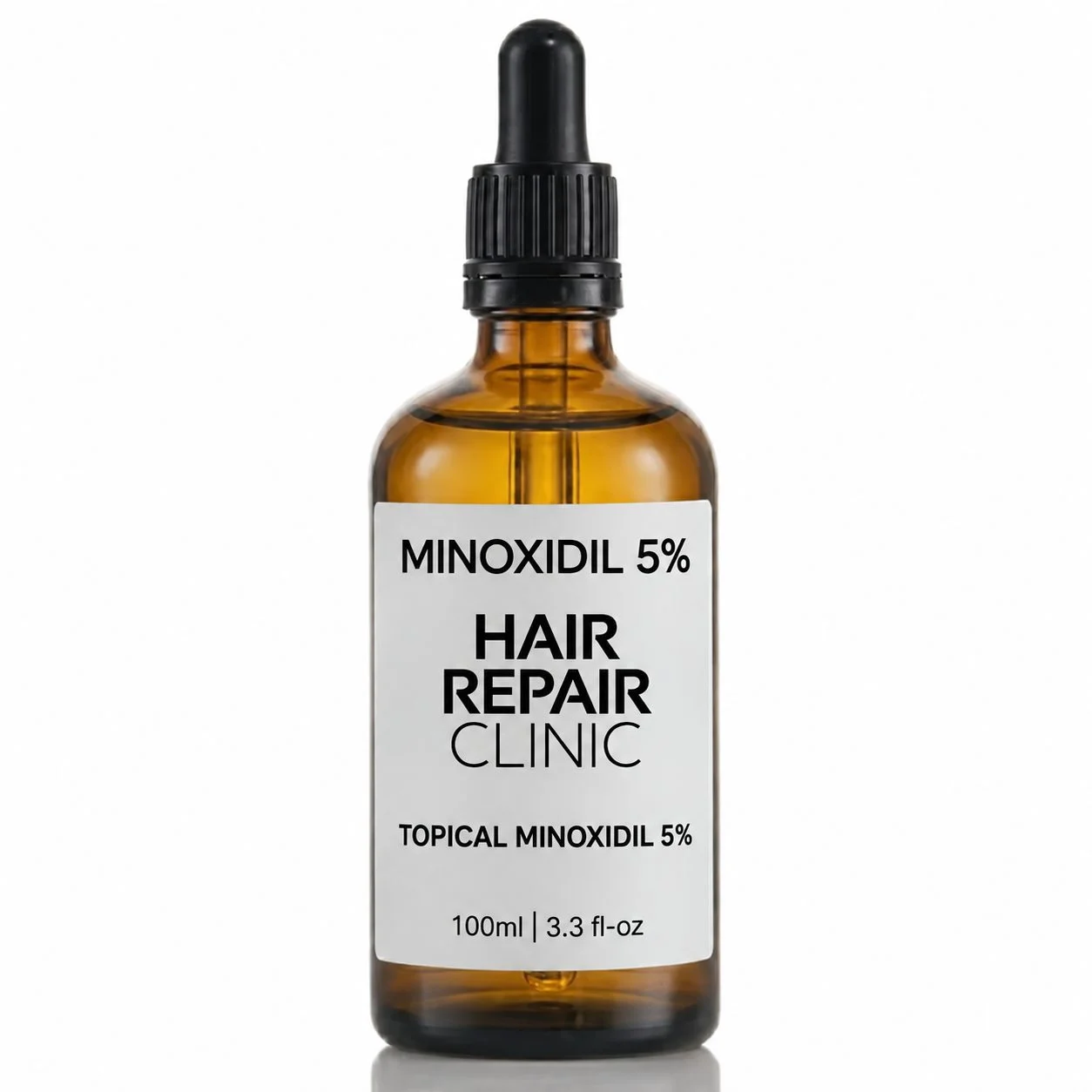
Topical minoxidil
First line. The only option licensed for women.
What it does. A growth stimulant rather than a hormone blocker. It widens blood vessels at the follicle, pulls resting follicles back into their growing phase, and lengthens that phase so hairs grow longer and thicker before they shed.
Who it suits. Almost any woman with pattern thinning or a shedding problem. It is the option with the most evidence in women specifically, and the only one carrying a UK licence for female pattern hair loss.
Worth knowing. Both 2% and 5% strengths are used in women. Higher strengths work faster but carry more risk of scalp irritation and of fine hair growing where the solution runs. Your prescriber sets the strength and how often to apply it.
What to expect. Shedding often increases for the first four to six weeks, then settles. Visible change from three to six months.
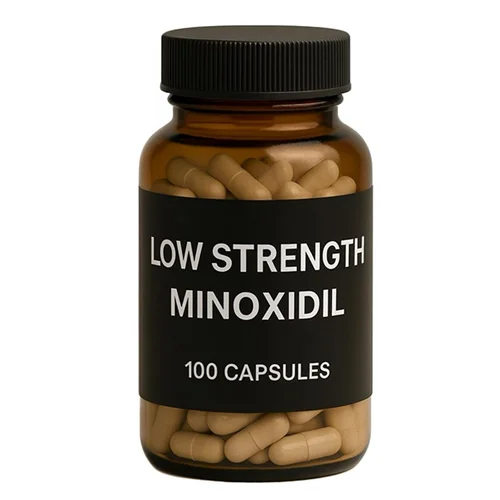
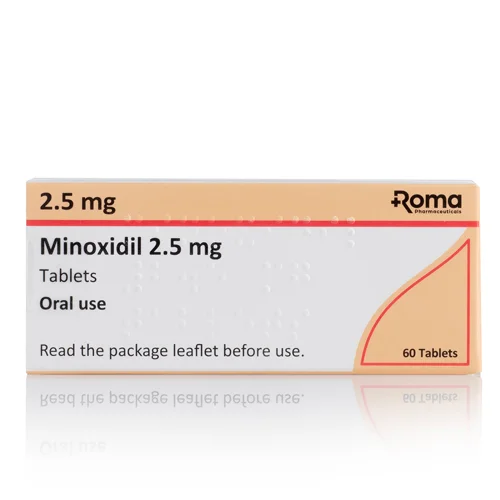
Low-dose oral minoxidil
The biggest recent shift in how women are treated.
What it does. The same molecule taken as a tablet or capsule instead of applied to the scalp. It reaches every follicle evenly, with no daily application, no greasy residue and nothing to work around when styling.
Who it suits. Women who find topicals irritating, messy or simply impossible to keep up with, and women whose hair loss is diffuse rather than concentrated at the crown. Adherence is the main reason topical minoxidil fails, and this removes that problem.
Worth knowing. Women are treated at much lower doses than men. Because accurate low doses are hard to reach by splitting a tablet, we also compound them as capsules so the exact strength your prescriber decides on can be dispensed as made.
What to expect. Similar timeline to topical. Increased facial or body hair is the effect most women notice and the usual reason for reducing the dose.
Topical spironolactone
An anti-androgen used in women, not in men.
What it does. Blocks androgens at the receptor in the scalp rather than stopping the body making them. Applied to the scalp, it targets the follicle while keeping systemic exposure far lower than the oral form.
Who it suits. Women with pattern loss, and particularly those with signs of androgen excess such as PCOS, acne or unwanted facial hair. This is the DHT-directed option most often reached for in women, and it has no male equivalent in routine practice.
Worth knowing. Oral spironolactone is also used for female pattern hair loss but needs blood pressure and potassium monitoring. The topical form avoids most of that while acting where it is needed.
What to expect. Slower than minoxidil. Judge it at six months, not before.
Topical melatonin
Non-hormonal. Nothing to weigh up hormonally.
What it does. Acts as a local antioxidant at the follicle and extends the growing phase through a different biological pathway. It does not touch androgens at all.
Who it suits. Women who cannot or would rather not use a hormonal treatment, women still planning a pregnancy, and anyone who wants to add something to minoxidil without adding hormonal risk.
Worth knowing. Best thought of as a supporting treatment rather than a replacement for minoxidil or an anti-androgen. It is the gentlest thing on this page.
What to expect. Gradual. Most useful layered alongside something else.
Finasteride and dutasteride
Off-label in women, and only where pregnancy is not possible.
What it does. These block the enzyme that converts testosterone into DHT, the hormone that shrinks follicles in pattern hair loss. They are the mainstay of male treatment and are licensed for men.
Who it suits. Prescribed to women off-label, at the prescriber’s discretion, and only where there is no possibility of pregnancy. In practice that usually means postmenopausal women, or women using reliable contraception who have discussed it properly. It is not a first choice, and it is not ruled out either.
Worth knowing. The restriction is about pregnancy, not about being a woman. These medicines can cause birth defects in a male foetus, which is why anyone pregnant, breastfeeding or trying to conceive must not take them or handle broken tablets. Your questionnaire answers decide this, and a prescriber reviews every case individually.
What to expect. Assess at six months, full effect at twelve.
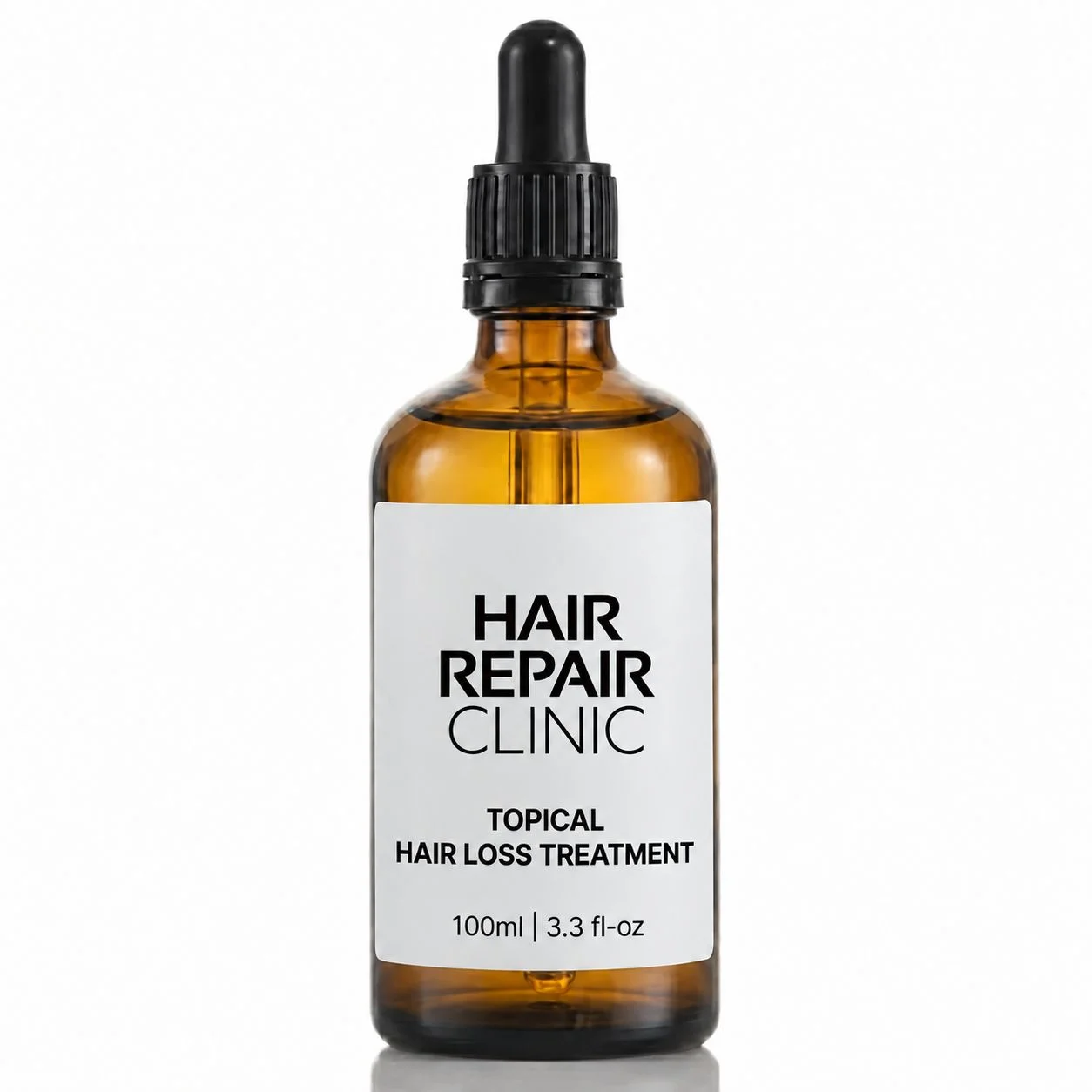
Ketoconazole shampoo and microneedling
Supporting acts, not the main event.
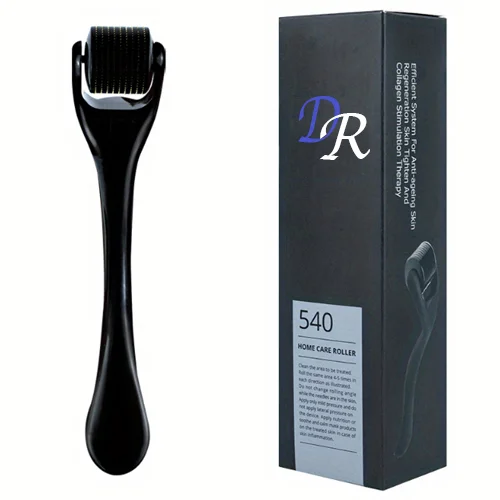
What it does. Ketoconazole shampoo calms scalp inflammation and flaking, which matters because an irritated scalp makes everything else harder to tolerate. Microneedling with a roller or stamp creates controlled micro-injury that appears to improve how well topical treatments absorb.
Who it suits. Most women, alongside a main treatment. Neither will hold back pattern hair loss on its own, and anything sold to you on the promise that it will is overselling.
Worth knowing. Microneedling needs care: clean the device, do not go over broken or inflamed skin, and leave time between sessions and your topical treatment.
What to expect. Supportive. Judge them by how the scalp feels, not by regrowth.
Androgen-directed and non-hormonal options
Supporting treatments and testing

Putting more than one active in a single bottle
Most women end up needing two things at once, and two separate bottles applied to the same scalp every evening is how routines fall apart. Our partner pharmacies compound several actives into one solution, so a growth stimulant and an androgen-directed treatment arrive as a single nightly application rather than a regime to maintain.
The combination and the strengths are set by your prescriber. One androgen-directed active per bottle, never two.

4. Side effects, set out honestly
Most women take these without trouble, and the majority of what follows is uncommon. You should still know it before you start rather than after. Report anything that concerns you to your prescriber rather than stopping on your own, because several of these settle with an adjustment.
| Treatment | More common | Less common | Stop and seek advice |
|---|---|---|---|
| Topical minoxidil | Scalp itching, dryness or flaking. Increased shedding in weeks two to six. | Fine hair on the forehead or cheeks where the solution runs. Contact dermatitis. | Swelling of the face, rapid heartbeat, unexplained weight gain. |
| Low-dose oral minoxidil | Increased hair on the face and body. Mild fluid retention. | Light-headedness, headache, ankle swelling. | Chest pain, palpitations, marked swelling, breathlessness when lying flat. |
| Topical spironolactone | Scalp dryness or irritation. | Breast tenderness. Menstrual changes are far less likely than with the oral form. | Signs of an allergic reaction. |
| Topical melatonin | Very little. Occasional scalp irritation. | Drowsiness has been reported but is uncommon at topical doses. | Signs of an allergic reaction. |
| Finasteride and dutasteride | Most people have none. Reduced libido and mood change are the effects to know about. | Breast tenderness or changes in breast tissue, which should always be reported. | Depression or suicidal thoughts. Stop and seek medical advice (MHRA, 11 May 2026). |
Finasteride and dutasteride can affect the development of a male foetus. Anyone pregnant, breastfeeding or trying to conceive must not take them and must not handle broken or crushed tablets. On 11 May 2026 the MHRA also confirmed that these medicines are associated with depression, suicidal ideation and sexual dysfunction which may persist after stopping. If you develop depression or suicidal thoughts, stop and seek medical advice. In a crisis, call 111, or Samaritans free on 116 123.
5. How to choose, by situation
The right treatment depends far less on which product is strongest and far more on where you are in your life. Find yourself below.
Pregnant, breastfeeding, or trying to conceive
Nothing on this page that blocks or alters hormones is appropriate, and minoxidil is not recommended in pregnancy or while breastfeeding either. This is the one situation where the honest answer is to wait. Treat the scalp gently, have your ferritin and thyroid checked, and revisit treatment afterwards. A prescriber will decline treatment here rather than issue it, and that is the correct outcome.
Recently given birth
Heavy shedding three to four months after delivery is postpartum telogen effluvium and it is expected. It nearly always recovers on its own by around the first birthday. The useful actions are checking ferritin and thyroid, both of which are commonly disturbed after pregnancy, rather than starting a long-term treatment for a problem that is resolving. If it has not settled by twelve months, that is the point to look again.
Perimenopause and menopause
This is when most women first notice the parting widening. Minoxidil, topical or low-dose oral, is the usual starting point, and an anti-androgen such as topical spironolactone is frequently added where there are signs of androgen excess. HRT is not a hair loss treatment, though some women notice their hair improves on it.
PCOS, or signs of excess androgens
Irregular periods, persistent acne and coarse hair on the face or body alongside scalp thinning point towards an androgen-driven picture. An anti-androgen is the logical centre of treatment here rather than an afterthought, usually with minoxidil layered on top. It is also worth having the PCOS itself managed properly, because the hair is one symptom of something broader.
Postmenopausal, with no possibility of pregnancy
The full range opens up, including finasteride and dutasteride prescribed off-label where a prescriber judges it appropriate. Many women in this group get the best result from a DHT-directed treatment plus minoxidil, which is the same two-mechanism logic used in men.
Found your situation above?
Answer a few questions about how your hair has changed and you will be pointed at the plan built for it. A UK prescriber reviews your answers before anything is dispensed, and can tell you to get something investigated first.
See which plan fitsA few minutes online
No appointment, no waiting room, nothing to attend.
A UK prescriber reviews it
They can and do decline where treatment is not appropriate.
Dispensed and delivered
By a GPhC registered UK partner pharmacy, in plain packaging.
6. What to expect, month by month
Weeks 2 to 6
Shedding often increases, particularly on minoxidil. This is resting follicles being pushed into a new cycle, and the old hair has to come out first. It is the point at which most women give up, and it is the wrong point to give up.
Months 2 to 3
Shedding settles and usually drops below where it started. Nothing visible yet. This is normal.
Months 3 to 6
The first real signs. Fine new hairs along the parting, and the parting itself looking less wide in photographs even when it does not in the mirror.
Month 6
The earliest fair assessment. Compare photographs, not memories.
Month 12
Full effect. Results are then maintained by continuing, not improved indefinitely.
If you stop
Gains are lost over roughly six to twelve months as things return to their untreated course.
Take a photograph of your parting under the same light before you start. It is the only honest comparison you will have at month six.
7. Questions women actually ask
Will my hair grow back, or am I just stopping it getting worse?
Both, to different degrees. Treatment reliably protects the hair you still have and thickens follicles that are shrinking but still producing. Genuine regrowth happens, most visibly at the parting and crown, but follicles that stopped producing hair years ago are unlikely to return. Holding your ground is a real result and it is the one most women actually get.
Why did my hair loss get dismissed by my GP?
Female pattern hair loss is not funded on the NHS because it is classed as cosmetic, so there is little to offer within a ten minute appointment. That is a funding boundary rather than a judgement about whether it matters. Blood tests to rule out iron, thyroid and hormonal causes are a different matter and are worth asking for.
Is minoxidil safe to use long term?
Topical minoxidil has decades of use in women and a well-understood safety profile. Like every treatment on this page it works only while you use it, so results fade over several months if you stop. Low-dose oral minoxidil is newer in this role and is prescriber-monitored for that reason.
Can I take finasteride as a woman?
Sometimes. It is licensed for men and prescribed to women off-label, at the prescriber’s discretion, and only where there is no possibility of pregnancy. The gate is pregnancy, not sex. Anyone pregnant, breastfeeding or trying to conceive cannot take it and must not handle broken tablets, because it can affect the development of a male foetus.
My hair started falling out more after I began treatment. Should I stop?
Usually not. An increase in shedding in the first few weeks of minoxidil is expected and is a sign it is working: resting follicles are being pushed into a new growth cycle and the old hairs have to come out first. It typically settles within six weeks. If it carries on beyond that, contact your prescriber rather than stopping on your own.
Do supplements work?
Only if you are deficient in what they contain. Correcting genuinely low iron, vitamin D or thyroid function can make a real difference. Taking a hair supplement when your levels are already normal has not been shown to help, and biotin in particular can interfere with thyroid and cardiac blood tests, so tell whoever takes your bloods if you are taking it.
How long before I can tell if it is working?
Six months is the earliest point at which a fair judgement is possible, and twelve months is where the full effect shows. Take a photograph of your parting in the same light before you start, because month to month change is almost impossible to see in the mirror and the photograph is the only honest comparison you will have.
Do I need an appointment?
No. You complete an online questionnaire, a UK registered prescriber reviews it, and if treatment is appropriate it is dispensed by a GPhC registered UK partner pharmacy and delivered in plain packaging. If your answers point to something that should be investigated first, the prescriber will say so rather than issue a prescription.
Read further
Start when you are ready
Hair loss in women responds best to being dealt with early, and the first few questions take a couple of minutes.
See which plan fitsThis page is general information, not medical advice. Prescription treatments are not appropriate for everyone and are supplied only where a UK registered prescriber judges them clinically appropriate after reviewing your online medical questionnaire. All doses and schedules are set by your prescriber.