Minoxidil for Hair Loss: How It Works, Strengths and Application
Start here
Hair Loss Treatment UK: Complete Guide
Every UK-available treatment in one place. Read the complete guide
Minoxidil is the most widely used hair loss treatment in the UK, licensed at 2 and 5 percent for topical use since 1988 as a pharmacy medicine (P). It is the only medicinal product for hair loss that you can buy without a prescription in the UK. This guide covers every UK brand and strength, what the drug actually does at the follicle level, the clinical evidence, real side effect rates, how oral minoxidil compares to topical, and how minoxidil sits alongside DHT blockers like finasteride and dutasteride in a proper hair loss regimen.
Minoxidil brands and formulations available in the UK
Every UK minoxidil product contains the same active ingredient. What differs is the manufacturer, the concentration, the vehicle (what dissolves the minoxidil), and the price per month. Here is the full UK landscape:
Regaine 5% for Men, Regaine 2% for Women (Perrigo, UK): the pharmacy standard. Sold in Boots and pharmacy chains without a prescription after a brief pharmacist check-in. Roughly £30 to £38 for a 3 month pack. Standard alcohol and propylene glycol vehicle, well tested but frequently causes scalp itching and flakes on sensitive skin.
Rogaine 5% (Johnson & Johnson, US brand): identical minoxidil to Regaine, sold in the US under a different brand name. Not directly available in UK pharmacies but sometimes imported.
Kirkland Signature 5% (Costco, manufactured by Perrigo): the same 5 percent minoxidil active as Regaine, from the same manufacturing group, at the cheapest per-month price in the UK when bought via Costco. See our guide to spotting fake Kirkland Minoxidil before buying grey market. Also see Regaine alternatives.
Members Mark Minoxidil (Costco, manufactured by Perrigo): Costco own brand, same Perrigo manufacturing operation, same formulation as Kirkland.
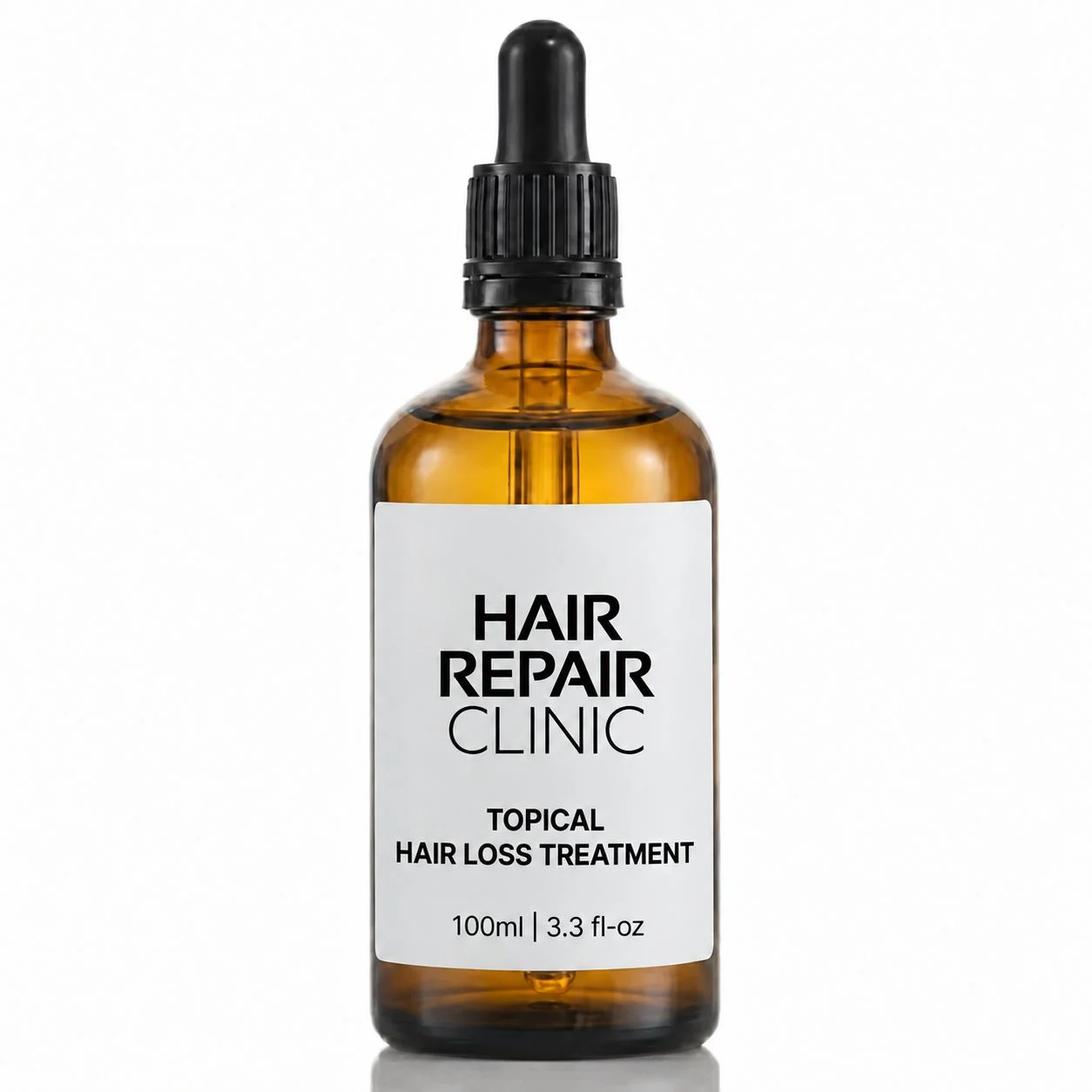
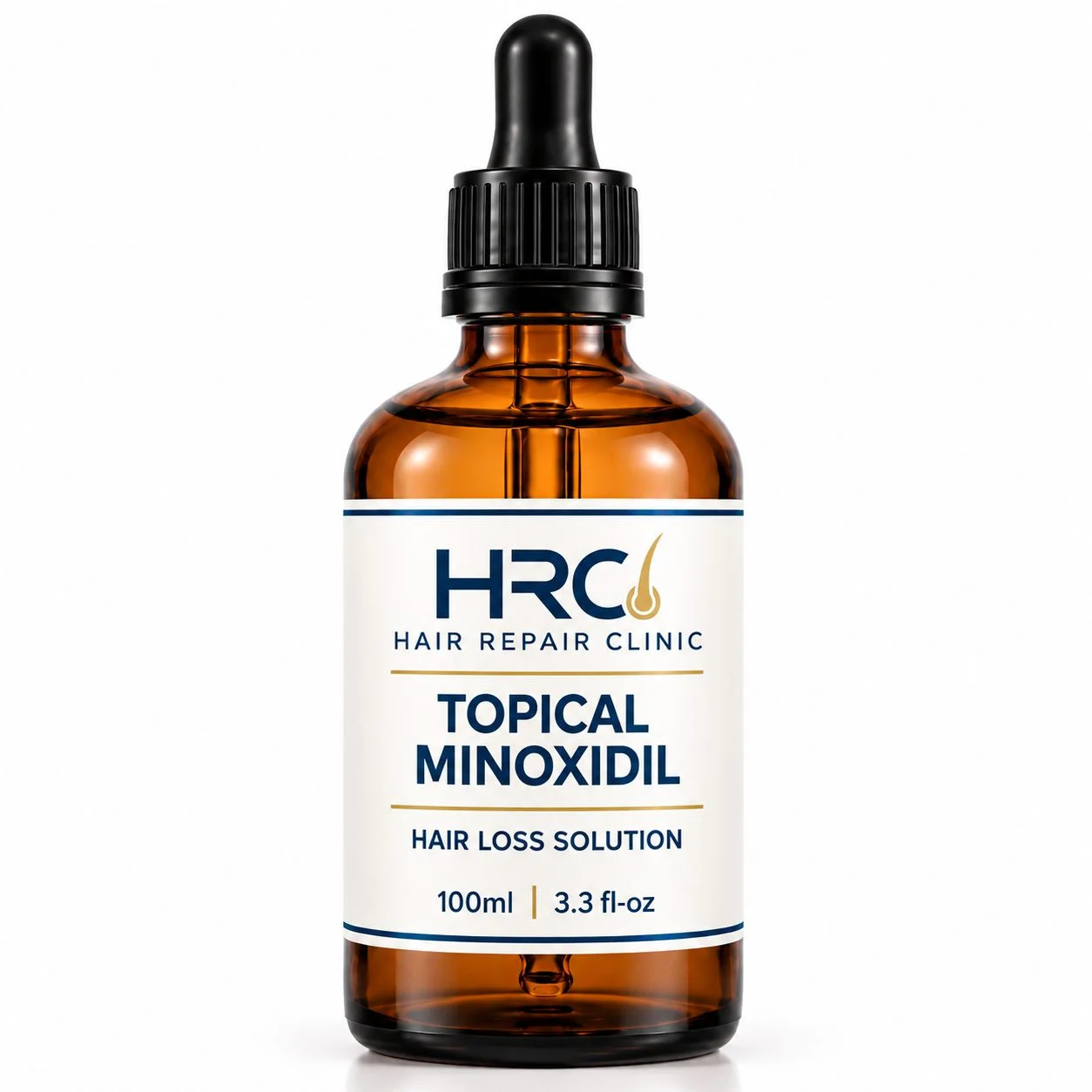
Topical Minoxidil in TrichoSol (our compounded formulation): 2, 5, 10, 12.5 or 15 percent minoxidil in the Fagron TrichoSol base. Free of alcohol and propylene glycol, much gentler on sensitive scalps. £55 per 100ml, about a 3 month supply. Prescription only because of the custom strengths and non-standard vehicle. See our Topical Minoxidil or the full TrichoSol explainer.
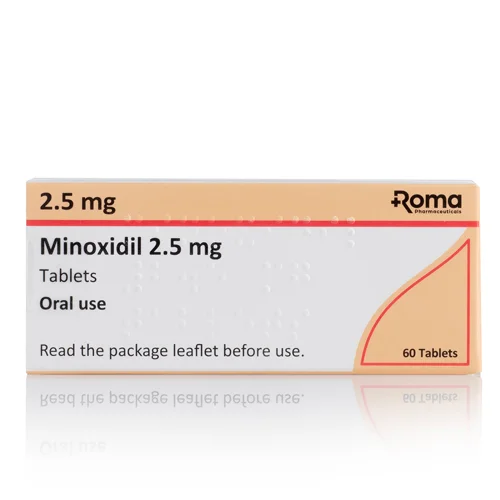
Oral minoxidil (Loniten and generics), 2.5mg and 5mg tablets: originally licensed as a blood pressure medicine (BPH treatment), now widely prescribed off-label in the UK at low doses for hair loss. Available on prescription only. See our oral minoxidil 5mg or oral minoxidil 2.5mg.
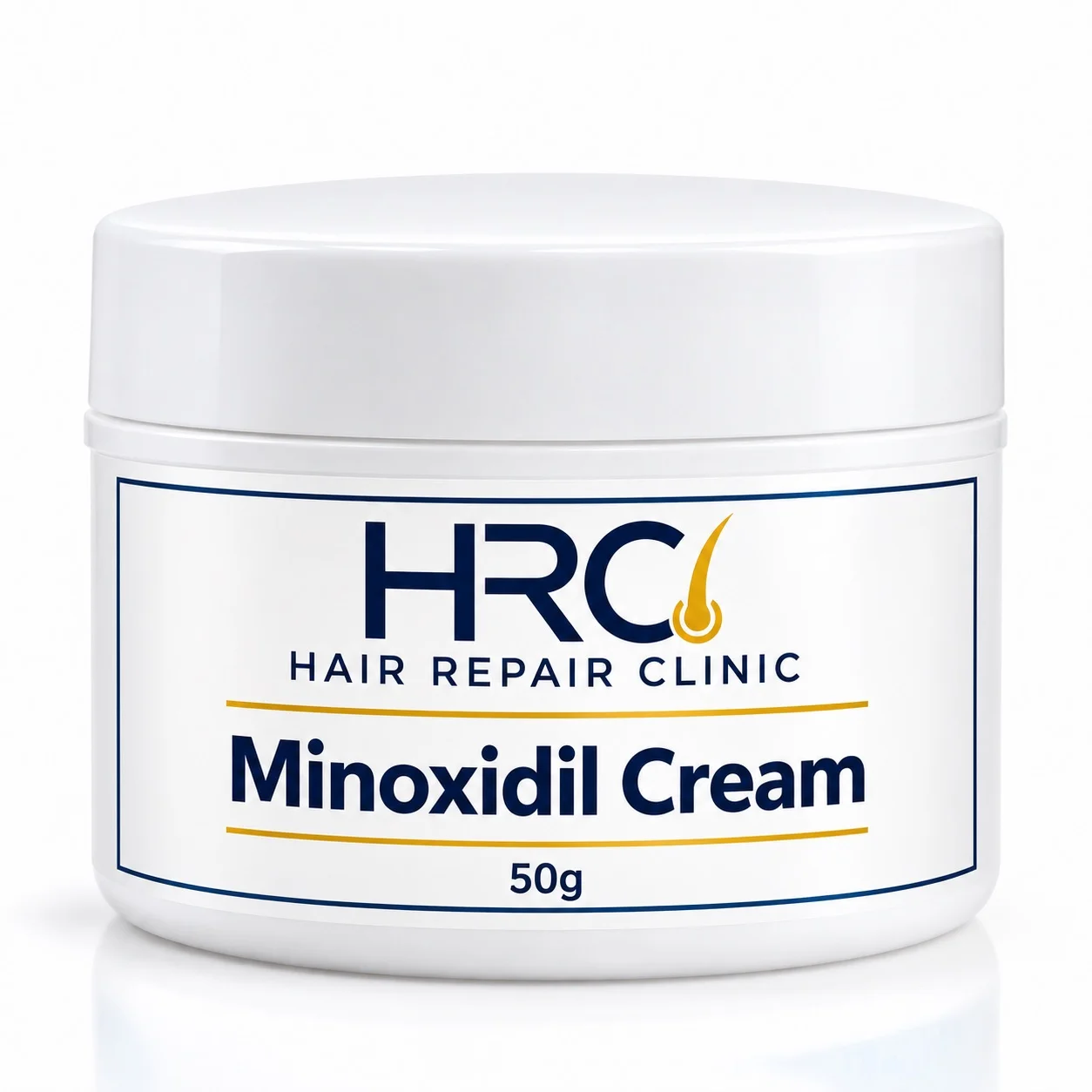
Minoxidil cream (TrichoSol base): a cream rather than solution, for people who dislike liquid application. Same active. See our Minoxidil Cream.
How minoxidil works for hair loss
Minoxidil is a potassium channel opener. In simple terms it does three things at the follicle:
Extends the anagen (growth) phase of the hair cycle. Hairs stay in active growth for longer before shedding into the telogen (rest) phase.
Converts vellus (fine) hairs to terminal (thick, pigmented) hairs. This is why minoxidil produces visible thickening, not just longer hairs.
Improves scalp microcirculation around the follicle. Better blood supply supports the growth phase.
Critically: minoxidil is a growth stimulator, not a DHT blocker. It does not reduce DHT (the hormone that shrinks follicles in men and women with androgenic alopecia). This is why the evidence-backed male hair loss regimen combines minoxidil (growth stimulator) with finasteride or dutasteride (DHT blocker). Different mechanisms, complementary effects.
Minoxidil requires an enzyme called sulphotransferase in the scalp to convert it to its active form, minoxidil sulphate. Roughly 30 to 40 percent of people have low scalp sulphotransferase activity and respond weakly to topical minoxidil (this is the "non-responder" story below).
Licensed vs off-label uses in the UK
Topical minoxidil 2 and 5 percent is MHRA licensed for androgenic alopecia (male and female pattern hair loss) in the UK under the Regaine brand and generic equivalents. Sold as a P (pharmacy) medicine, no prescription needed but pharmacist check-in required.
Compounded higher strengths (10, 12.5, 15 percent) are NOT MHRA licensed as standalone products. They are prescribed off-label as Specials (compounded medicines) by UK prescribers for people who did not respond to 5 percent.
Oral minoxidil is MHRA licensed at 5mg and 10mg for benign hypertension (high blood pressure) under the brand Loniten. It is NOT licensed for hair loss. Low-dose oral minoxidil (0.25mg to 5mg daily) prescribed for hair loss is entirely off-label prescribing.
The Custom Topical Solution combining minoxidil with a DHT blocker (finasteride or dutasteride) in a single 100ml bottle is prescribed as a Special under the same rules that cover other UK compounded medicines.
Clinical evidence: the trials that built the case
Minoxidil has 40+ years of clinical evidence for hair loss. The trials that inform how prescribers use it today:
Olsen et al 2002 (US Phase III men, 393 patients, 48 weeks): minoxidil 5 percent applied twice daily produced 45 percent more visible regrowth than 2 percent at 48 weeks, with a modest increase in local irritation. This is the trial that established 5 percent as the preferred male dose.
Lucky et al 2004 (US women, 381 patients, 48 weeks): minoxidil 2 percent produced meaningful hair count improvements versus placebo in women. Historically 2 percent was the female dose to minimise facial hair risk; modern practice increasingly uses 5 percent in women too under prescriber guidance.
Rundegren 2004 (24-month observational cohort, 984 men): confirmed sustained hair count gains through 24 months of 5 percent minoxidil twice daily, with responders continuing to improve slowly through year 2.
Beach et al 2016 (dose-response for higher strengths): 10 percent and 15 percent minoxidil produced meaningful additional response in confirmed 5 percent non-responders after 6+ months at the lower dose, though local irritation rates rose.
Randolph & Tosti 2021 review (oral minoxidil systematic review): pooled 17 studies on low-dose oral minoxidil (0.25mg to 5mg daily) for hair loss. Concluded oral minoxidil is effective at doses well below the blood pressure licensed dose, with tolerable side effect rates. This is the evidence base for low-dose oral now widely prescribed in the UK.
Practical takeaway: minoxidil works but takes months. Peak effect at 12 months. 30 to 40 percent of people are weak responders at 5 percent and benefit from higher topical strengths, oral minoxidil, or adding tretinoin (which raises sulphotransferase activity).
How long minoxidil takes to work
Weeks 2 to 8: shedding phase. Some users see an increase in shedding at 4 to 6 weeks as follicles synchronise into a new growth cycle. This is a normal early sign the treatment is working, not a signal to stop.
Months 3 to 4: shedding settles. First reduced-shedding sign.
Months 4 to 6: first visible thickness and count improvement.
Months 6 to 12: peak effect judged at 12 months of consistent daily use. Most trial results are reported at 12 months.
Months 12 to 24: continued slow improvement for responders. Effect plateaus but maintenance continues to hold gains.
On stopping: any hair gained is lost over 6 to 12 months as follicles return to their pre-treatment cycle. Minoxidil is a maintenance treatment, not a course.
The non-responder story: sulphotransferase, tretinoin and higher strengths
Minoxidil is a prodrug: your scalp needs an enzyme called sulphotransferase (SULT1A1) to convert topical minoxidil into its active form, minoxidil sulphate. Roughly 30 to 40 percent of people have low scalp SULT1A1 activity and respond weakly to standard 5 percent topical minoxidil.
If you have been on 5 percent minoxidil twice daily for 6+ months with no visible response, the practical options are:
Higher topical strength. 10, 12.5 or 15 percent minoxidil in the same TrichoSol base often produces response in 5 percent non-responders. Prescription only. See our Topical Minoxidil.
Add tretinoin. Tretinoin at 0.01 or 0.025 percent raises scalp sulphotransferase activity, effectively converting a low responder into a normal responder for the same minoxidil dose. Prescribed together in a compounded formulation.
Switch to oral minoxidil. Oral minoxidil bypasses the scalp enzyme entirely. Roughly 70 to 80 percent of topical non-responders respond to 2.5mg or 5mg oral minoxidil. See our full oral vs topical minoxidil comparison.
Confirm the diagnosis. Not everyone diagnosed with pattern hair loss actually has androgenetic alopecia. Diffuse thinning from stress, thyroid, or nutritional deficiency will not respond to minoxidil.
Side effects of minoxidil
Topical minoxidil is generally well tolerated. Published side effects, in order of frequency:
Scalp irritation, dryness, or itching: the most common issue with topical minoxidil, but usually caused by the vehicle (propylene glycol or alcohol in standard formulations) rather than the minoxidil itself. Switching to an alcohol free, PG-free vehicle like TrichoSol resolves this for most people.
Initial shedding: temporary shedding at 4 to 6 weeks is a normal sign of follicle cycling into new growth. Not a side effect in the harmful sense; a marker the drug is working.
Facial hair growth (hypertrichosis): uncommon at 5 percent applied only to the scalp, more common at higher concentrations or with oral minoxidil. Usually resolves on stopping.
Cardiovascular effects at oral doses: ankle swelling, fluid retention, and modest heart rate increase are the most reported effects at 2.5 to 5mg oral daily. Higher blood pressure doses (10 to 40mg) carry more significant cardiovascular effects. Usually mild at hair loss doses; discuss with your prescriber if pre-existing heart or kidney conditions apply.
Dizziness: occasional on oral minoxidil starts, rarely on topical.
Comparators: minoxidil versus alternatives
Minoxidil sits in a specific role: growth stimulator, not DHT blocker. Here is where it fits versus everything else:
Topical minoxidil (TrichoSol or standard) vs Regaine and Kirkland: same active ingredient, difference is the vehicle (gentler in TrichoSol) and prescription/OTC status. See our Regaine alternatives guide.
Topical vs oral minoxidil: topical is licensed and OTC in the UK, oral is off-label but effective in topical non-responders. See our topical vs oral minoxidil guide. Never combine oral and topical minoxidil (same drug, two routes, no meaningful additional benefit).
Minoxidil vs finasteride: different mechanisms entirely. Minoxidil stimulates growth, finasteride blocks DHT. Best used together as the classic male regimen. See our finasteride UK guide or finasteride vs dutasteride comparison.
Minoxidil vs OTC hair growth supplements (biotin, saw palmetto): weak to no comparable evidence. Minoxidil is the only OTC hair loss product with strong RCT evidence.
Minoxidil vs microneedling / derma roller: complementary, not competitive. Derma rolling at 0.5 to 1mm around minoxidil application improves absorption and adds a growth signal via induced wound healing. See our derma roller cleaning guide.
How to apply minoxidil for best results
How much to use and how often is set by your dispensing label, and it takes priority over any general guidance. For the full application technique, the four-hour wash rule, and the mistakes that halve results, see our step-by-step topical application guide.
Key points in short:
Using more than your label states does not add anything, the excess simply runs off.
Apply to a clean, dry scalp on the affected areas, not the hair itself.
Wait 4 hours before the next scalp wash for full absorption.
Wash your hands after application. Especially important if the formulation contains finasteride or dutasteride (Custom Topical), as those should not be handled by anyone pregnant.
Consistency matters more than the specific time of day.
Storage and shelf life
Store at room temperature (below 25°C), away from direct sunlight and moisture. Do not freeze.
Keep the bottle sealed between uses. Ethanol-containing formulations evaporate slightly over time if not sealed.
Sealed pack expiry is on the manufacturer label (typically 24 to 36 months from manufacture). Once opened, use within the recommended timeframe on the label (typically 3 to 6 months for standard formulations, 6 months for TrichoSol compounded).
Do not decant into unlabelled bottles. Original packaging includes the expiry date and dosing dropper calibration.
Keep out of reach of children and pets. Minoxidil is toxic in oral overdose.
Excipients: what is in a minoxidil solution
Active ingredient: minoxidil at the labelled percentage (typically 2, 5, 10, 12.5 or 15 percent). The rest of the solution is the vehicle. Two main vehicle types you will encounter:
Standard vehicle (Regaine, Kirkland, Rogaine, Members Mark): alcohol (ethanol) and propylene glycol as the primary solvents, plus purified water. Propylene glycol is the single most common cause of scalp irritation in minoxidil users. If you itch or flake on Regaine, propylene glycol is usually the culprit.
TrichoSol vehicle (our compounded formulation): a water based vehicle with no alcohol in the base itself and no propylene glycol. Minoxidil strengths above 5% have a little ethanol added to keep them in solution. Gentler on sensitive scalps. See our TrichoSol explainer for the full ingredient list.
Regulatory status in the UK
Topical minoxidil 2% and 5% is MHRA licensed as a pharmacy medicine (P) for hair loss under Regaine and equivalent brands. Sold OTC after pharmacist check-in.
Compounded higher strengths (10 to 15 percent) are prescription only medicines (POM), prescribed off-label as Specials. Requires prescriber review.
Oral minoxidil is a POM at every strength. Prescribed off-label for hair loss at low doses (0.25mg to 5mg daily). UK prescriber review included at checkout.
Custom Topical Solution combining minoxidil with a DHT blocker is a POM Special, prescribed to individual patient order.
Dispensed by a GPhC registered UK partner pharmacy. Every bottle we sell is prepared and shipped in the UK.
Patient Information Leaflets and further reading
Every prescription bottle we dispense ships with the manufacturer PIL enclosed. Always read the leaflet supplied with your medicine, and contact your prescriber or the pharmacy if anything is unclear.
Our Minoxidil Treatments
Next steps
For the broader UK landscape and where minoxidil fits, see our complete UK hair loss treatment guide or our how to stop hair loss overview. Comparing minoxidil delivery routes? See our oral vs topical minoxidil guide. Considering adding a DHT blocker? Read our finasteride UK guide.
Frequently asked questions
Does minoxidil really work?+
Yes. Minoxidil is the only topical hair loss treatment licensed in the UK with strong randomised trial evidence. In clinical studies, roughly 60 percent of men and 50 percent of women see moderate or better regrowth at 12 months. It works by extending the growth phase of the hair cycle and increasing follicle size, regardless of whether DHT is involved.
Is 5 percent minoxidil better than 2 percent?+
For men, yes: 5 percent strength produces approximately 45 percent more regrowth than 2 percent in head to head trials. For women, both strengths have similar efficacy but 5 percent has a higher rate of unwanted facial hair growth, so 2 percent is often the starting point. Topical minoxidil 10 percent is also available for men who plateau on 5 percent.
Does minoxidil cause shedding?+
A short shedding phase in weeks 2 to 8 is common and a sign the medication is working: it pushes follicles out of resting phase into a new growth cycle, which means existing hairs in the resting phase fall out first. Shedding usually peaks around week 6 and subsides by week 12. If shedding is severe or continues past 4 months, speak to the prescriber.
Should I use foam or liquid minoxidil?+
Both deliver the same active ingredient. Foam is alcohol free, dries faster, and is less likely to irritate sensitive scalps. Liquid spreads more easily through long hair and tends to be cheaper. Efficacy is identical in clinical trials. Choose by what fits your routine and scalp tolerance.
Can I stop using minoxidil once my hair grows back?+
No. Minoxidil only works while in use. Stopping reverses regrowth within 3 to 6 months because the underlying cause (pattern hair loss) is unchanged. To maintain results, use it continuously. Some men switch to oral low dose minoxidil at this stage for convenience.
How long does minoxidil take to work?+
Reduced shedding by month 3, visible regrowth between 4 and 6 months, full effect by 12 months. Follow your dispensing label; missed doses are the most common reason for poor response. Pair with microneedling once a week for around 25 percent better regrowth in published studies.
Medical reviewer: Dr Ahmad Moussa MB BCh, MSc, MRCS(Eng), MD, FRCS(SN), NHS Neurosurgeon and Hair Transplant Surgeon.
Published: . Last updated: . Last reviewed: . All prescription medications are dispensed by a GPhC registered UK partner pharmacy.
Disclaimer: this page is for general information only and does not constitute medical advice. Prescription treatments are not appropriate for everyone. Prescription only treatment is supplied only where a UK registered prescriber judges it clinically appropriate after reviewing your online medical questionnaire.
Related Articles
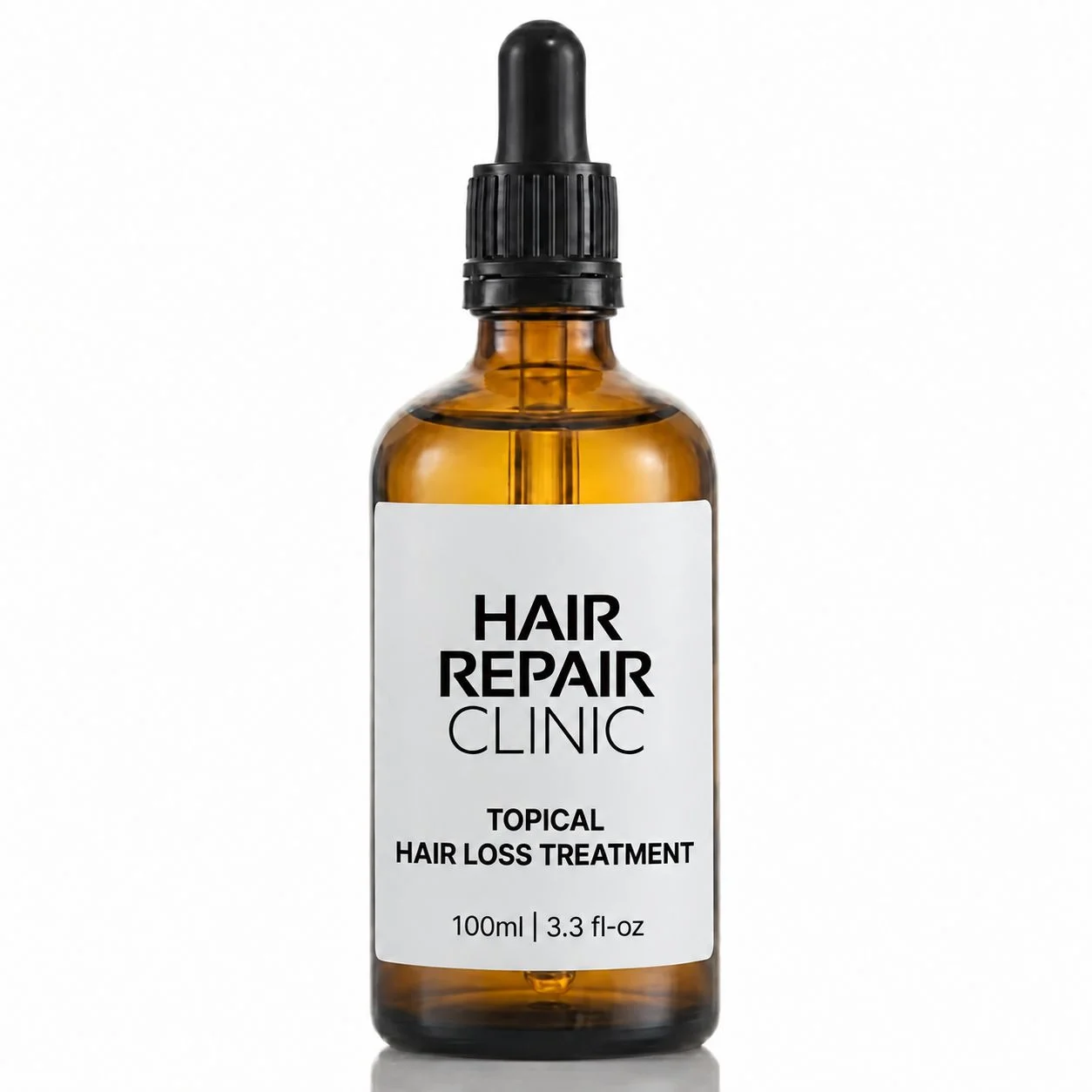
Topical vs Oral Finasteride: Which is Better for Hair Loss in the UK
10 Sept 2026
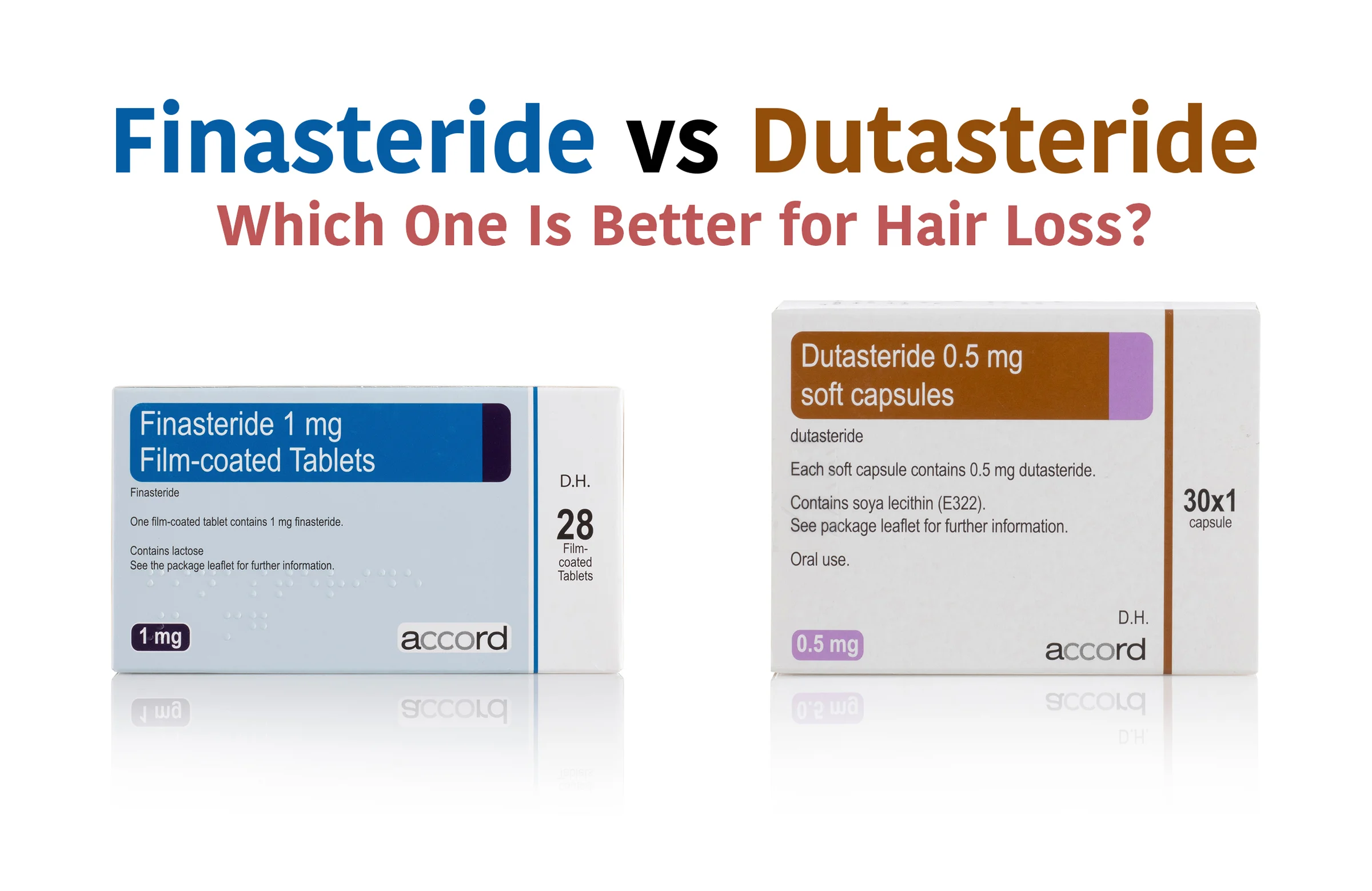
Finasteride vs Dutasteride for Hair Loss in 2026: What UK Men Need to Know
12 Jun 2026
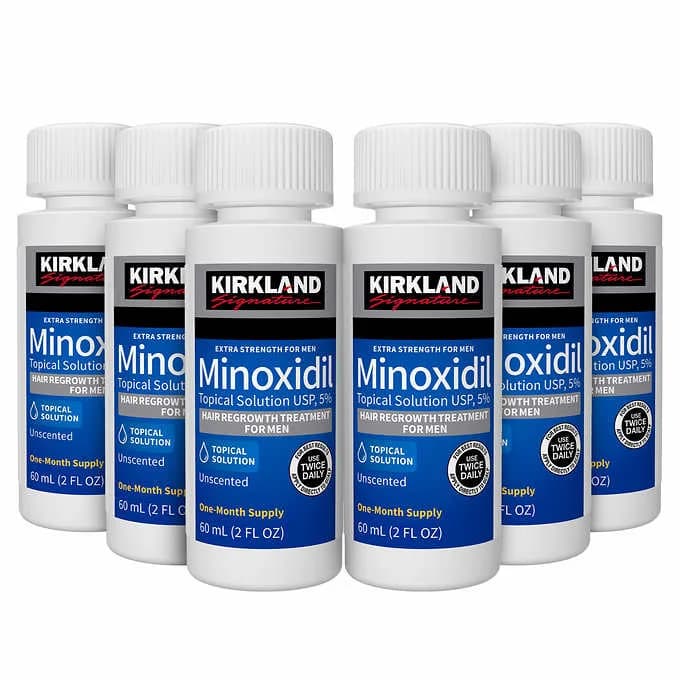
Why Kirkland Minoxidil Isn’t Available in the UK (Unless It’s Fake)
11 Jun 2026
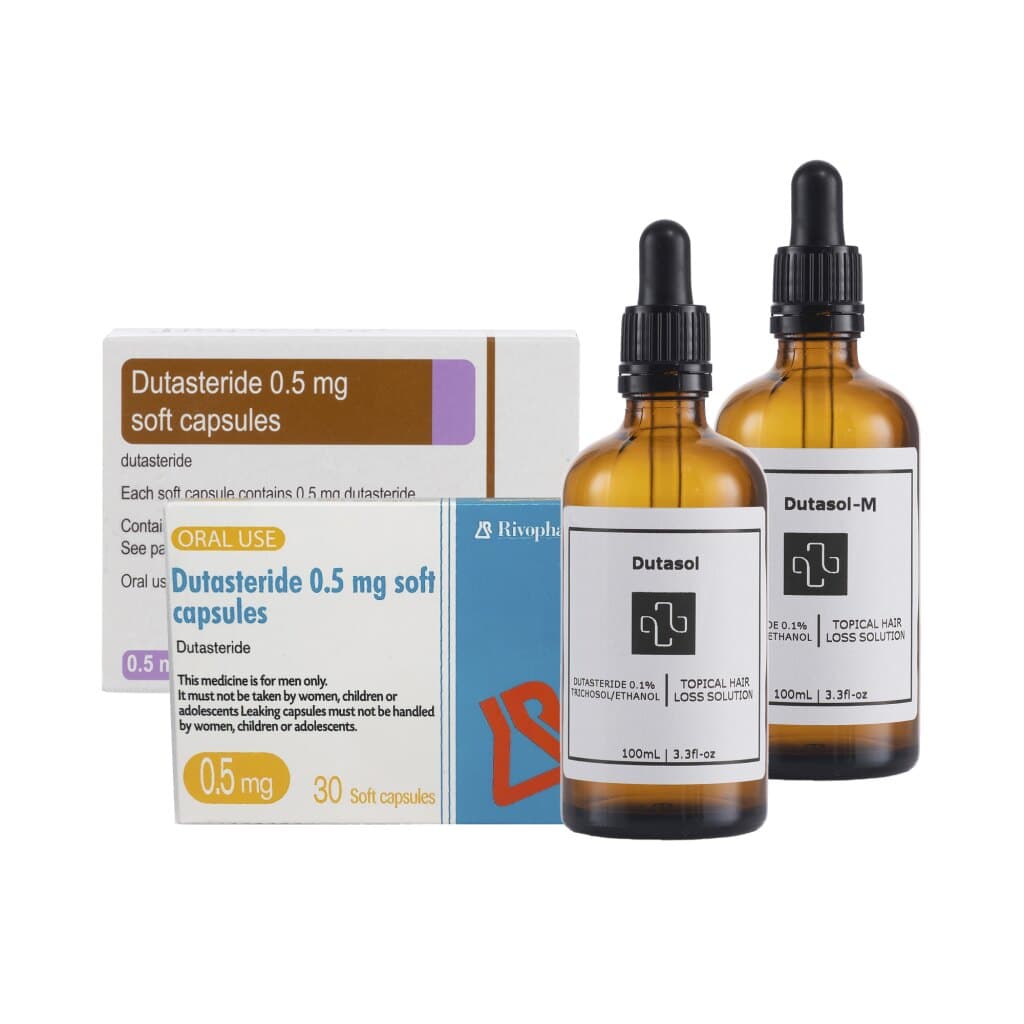
Dutasteride for Hair Loss: How It Works, Who It Is For, and What to Expect
11 Jun 2026
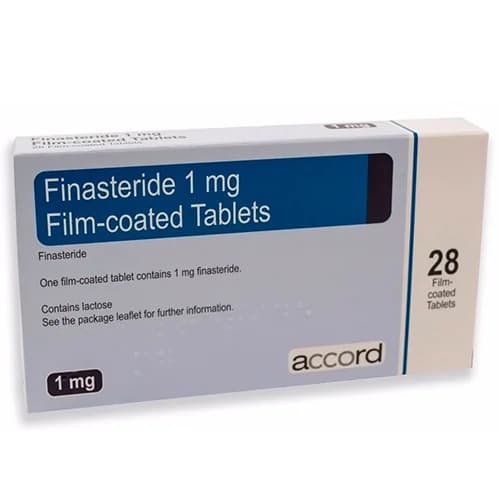
Finasteride for Hair Loss: How It Works, Who It Is For, and What to Expect
11 Jun 2026
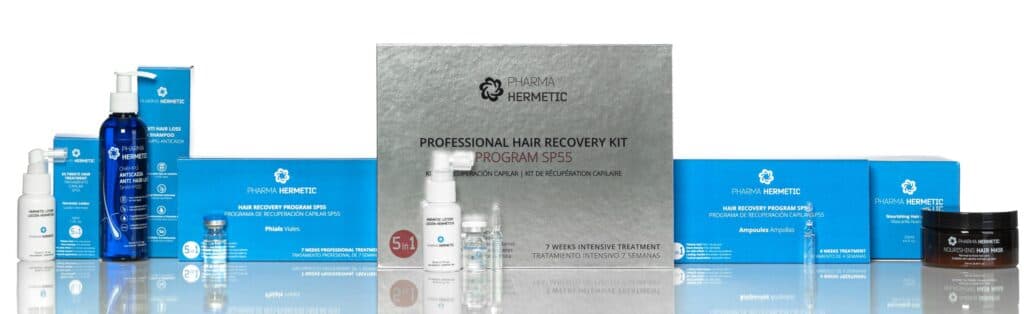
Pharma Hermetic Hair Recovery Program: The Natural Solution to Hair Loss in as Little as 8 Weeks
11 Jun 2026