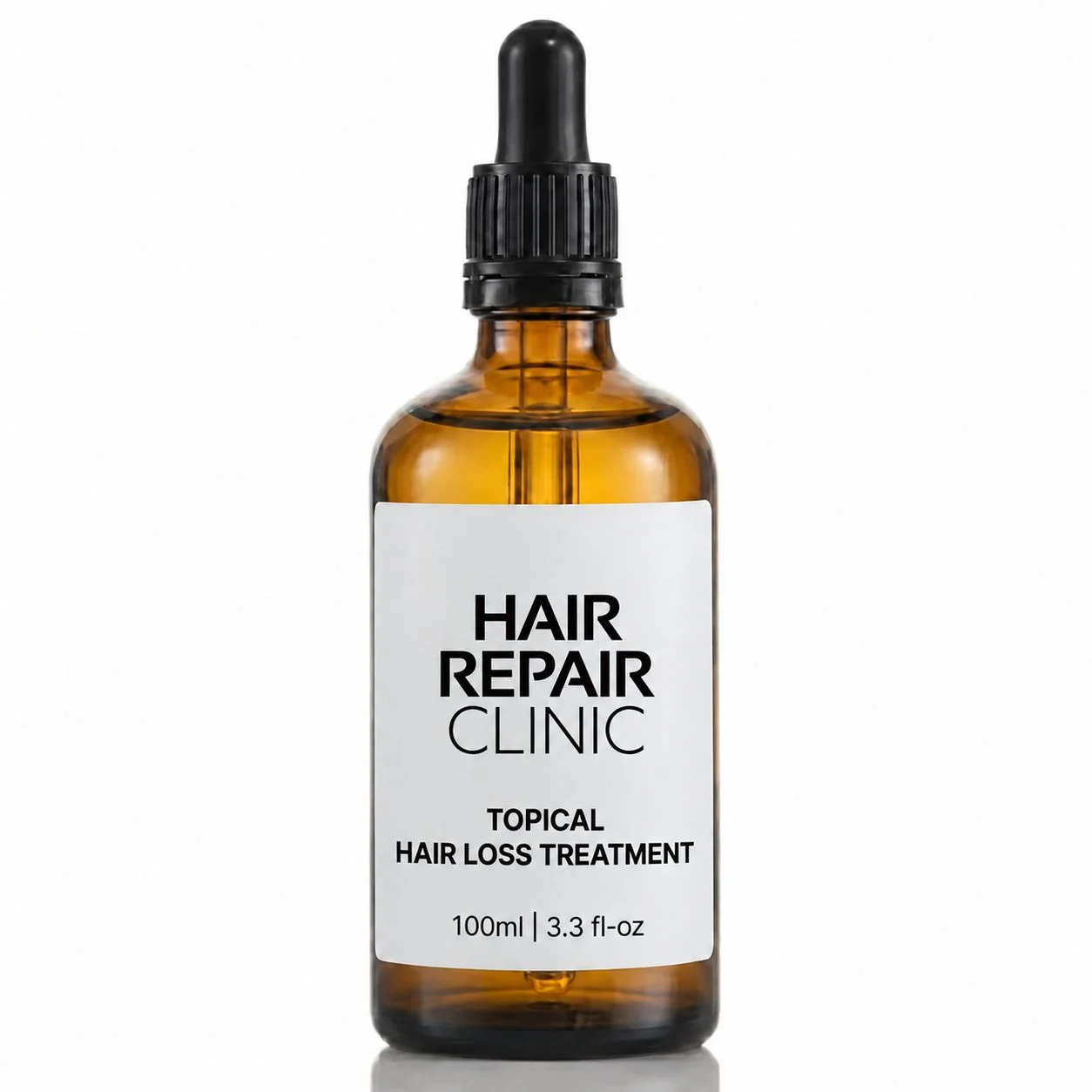
Topical vs Oral Finasteride: Which is Better for Hair Loss in the UK
Topical finasteride versus oral finasteride is the single most researched question in the UK hair loss community. Both work. Both have side effects. They deliver the same active in very different ways, and the choice between them depends on your goals, your side effect tolerance, and how much systemic drug exposure you are willing to accept.
This guide is the honest UK comparison, written for men (and post-menopausal women considering finasteride under prescriber supervision) who have already decided on a DHT blocker but are stuck on the delivery method. It is not for people still deciding whether to use finasteride at all; that is a separate conversation with your prescriber.
The one rule you need before anything else
Do not combine oral and topical finasteride. This is the most important clinical point in this guide and the one where UK prescribers universally agree: same drug delivered by two routes stacks systemic and local exposure at doses higher than either route was designed for, with no meaningful additional benefit. If you take oral finasteride 1mg daily and add a topical finasteride 0.25% bottle, you have not doubled your hair growth. You have doubled your side effect risk. Choose one route, not both.
Effectiveness: the honest picture
Oral finasteride 1mg has 25+ years of randomised trial evidence for male pattern hair loss. The headline numbers, from the original 5 year Merck trials that supported the MHRA licence:
Roughly 80 to 90% of men maintain or improve hair count at 2 years of consistent daily use.
Serum DHT reduction of roughly 70% at the standard 1mg daily dose.
Peak effect at 12 months, sustained for as long as treatment continues.
Topical finasteride 0.25% (the concentration most commonly compounded in the UK) has less trial data but a growing body of published evidence. The key studies:
Piraccini et al 2022 (Phase III multi-centre trial): topical finasteride at 0.25% applied twice daily produced hair count improvements similar to oral finasteride 1mg at 24 weeks, with roughly 60% lower serum DHT reduction (implying lower systemic exposure).
Caserini et al 2016: confirmed that topical finasteride at 0.25% produces meaningful scalp DHT suppression while keeping serum DHT levels significantly higher than oral dosing.
Bottom line on effectiveness: for most men, topical and oral finasteride produce clinically similar hair growth outcomes at the concentrations we prescribe. Where they diverge is systemic drug exposure and the side effects that come with it.
Systemic absorption: the side effect story
This is the reason topical finasteride exists as a category. The clinical logic:
Oral finasteride 1mg is absorbed through the gut, distributed through the bloodstream, and reduces serum DHT by roughly 70%. Scalp DHT falls in parallel, which is why hair grows.
Topical finasteride 0.25% applied to the scalp reaches the local scalp tissue directly. A percentage crosses the skin barrier into the bloodstream, but the systemic exposure is much lower than a swallowed 1mg tablet. Serum DHT reduction is typically 20% to 30% versus 70% for oral.
The side effect implication: the sexual side effects that some men experience on oral finasteride (reduced libido, erectile difficulty, mood changes) are driven by systemic DHT reduction. If topical finasteride achieves scalp DHT reduction while keeping serum DHT relatively normal, the sexual side effect risk should be lower.
The 2022 Piraccini trial and several observational studies confirm this pattern. Reported sexual side effects on topical finasteride 0.25% were roughly one-third to one-half the rate reported on oral 1mg finasteride, at similar hair count outcomes. This is the strongest single argument for choosing topical over oral if the sexual side effect risk is your main hesitation.
Licensed status in the UK: an important distinction
Oral finasteride 1mg is MHRA licensed in the UK for male pattern hair loss. That is what the Propecia branded 1mg tablets and every generic 1mg finasteride tablet is licensed for. Prescribers can prescribe it on-label, which is administratively the cleanest option.
Topical finasteride is not MHRA licensed as a standalone product in the UK. It is prescribed as a Special, meaning a medicine compounded to the specific clinical needs of an individual patient under Section 10 exemption rules. This is legal, common, and how most compounded prescription medicines work in the UK, but it is off-label.
What this means in practice: both are prescribed and dispensed against a UK prescription. The compounded topical version requires a slightly more detailed prescriber review because it is off-label; the online questionnaire at checkout takes care of this.
Cost per month in the UK
Oral finasteride 1mg tablets at our UK pricing start at £15 for a monthly 28 tablet pack, dropping to 36p per tablet on a 12 month pack. Roughly £11 to £15 per month depending on pack size. See our Finasteride 1mg tablets.
Topical finasteride at the standard 0.25% concentration in our TrichoSol base starts at £65 for a 100ml bottle, which is 3 months of daily use. Roughly £22 per month. See our topical finasteride.
Oral is cheaper per month by roughly 40%. That difference is real and matters over years of treatment, though most men find the side effect trade-off is what decides the choice, not the price.
Application and daily routine
Oral finasteride: one 1mg tablet swallowed once per day, with or without food, at any consistent time. Two minutes of effort per day. Nothing to remember once it is part of the morning routine.
Topical finasteride: one 1ml application to the scalp using the dropper or bottle spray, once daily, ideally in the evening after washing. Requires the scalp to be dry, needs 15 to 30 minutes to absorb before hair contact with pillows or hats. Some men find this fine; others find the daily routine friction is the reason they eventually switch to oral.
Who topical finasteride is right for
Men who tried oral finasteride and experienced sexual side effects that stopped them continuing.
Men who have concerns about post-finasteride syndrome (PFS) and want the lowest possible systemic exposure while still getting the hair loss benefit.
Men actively planning to conceive with a partner in the next 6 to 12 months (topical produces lower systemic finasteride, which theoretically reduces the exposure to a developing male foetus if conception happens during treatment; talk to your prescriber).
Men who want to add tretinoin or minoxidil to the same 100ml bottle in a single application (only possible with the compounded topical, not with oral tablets).
Post-menopausal women prescribed finasteride under specialist supervision.
Who oral finasteride is right for
Men who have already tried oral and tolerated it well, with meaningful hair loss stabilisation.
Men who want the cheapest option per month over a decade of treatment.
Men who prefer a swallow-and-forget daily routine over an evening topical application.
Men with an already established scalp irritation or sensitised skin that would react to a topical formulation.
Men whose insurance or NHS prescriber will provide oral finasteride at low or no cost.
Switching between them
Switching oral to topical (or topical to oral) is common and clinically straightforward, but should be prescriber managed. The key points:
Oral to topical: stop oral, wait 1 to 2 weeks for serum DHT to start recovering (though it typically will not fully normalise for months), then start topical. Some prescribers overlap by 2 to 4 weeks to prevent a temporary DHT spike; this is a judgement call and should be discussed at review.
Topical to oral: stop topical, start oral the next day. No overlap or washout needed.
Never run both simultaneously. Same drug, two delivery routes, no meaningful additional benefit, higher side effect risk. This is the one rule.
Combining with minoxidil
Both oral and topical finasteride pair well with minoxidil. This is the standard dual mechanism approach: finasteride blocks DHT (the cause), minoxidil stimulates growth (the growth pathway). Different drugs, different mechanisms, evidence backed by 20+ years of clinical practice.
Oral finasteride 1mg plus topical minoxidil 5% is the classic evidence backed male regimen.
Topical finasteride 0.25% plus minoxidil 5% can be combined into a single 100ml compounded bottle (see our topical finasteride).
Oral finasteride 1mg plus oral minoxidil 2.5mg or 5mg is the modern all oral regimen for men who want a swallow only routine.
What you cannot combine: oral finasteride plus topical finasteride (same drug), or oral minoxidil plus topical minoxidil (same drug), or finasteride plus dutasteride (two DHT blockers together, never both). See our Topical Minoxidil in TrichoSol and Oral Minoxidil 5mg options.
Post-finasteride syndrome (PFS) considerations
Post-finasteride syndrome refers to persistent sexual, mood or physical side effects that continue after finasteride has been discontinued. The published literature and UK prescriber view is that PFS appears real in a small subset of men who took oral finasteride, though the mechanism is not fully understood and the true incidence is difficult to measure.
If you have never taken oral finasteride and are concerned about PFS, topical finasteride represents a lower systemic exposure route that theoretically carries a lower risk.
If you took oral finasteride previously and had persistent side effects, tell your prescriber before starting either oral or topical finasteride again. Some prescribers will decline to prescribe either. Others will consider a topical formulation with careful monitoring.
If you have not had persistent side effects on oral, PFS is not a reason to avoid oral finasteride. The vast majority of men take oral finasteride safely with no persistent side effects.
The medical questionnaire at checkout asks about post-finasteride syndrome specifically so the prescriber can review it before dispensing.
Ready to start? Or want a call first?
Both oral and topical finasteride are dispensed after a UK prescriber review. If you already know which you want to try, add it to basket and complete the short medical questionnaire. If you want to talk it through first, we can arrange a call.
Custom Topical Solution: build finasteride, minoxidil, tretinoin and other actives into one 100ml formula
Related reading
Medical reviewer: Dr Ahmad Moussa MB BCh, MSc, MRCS(Eng), MD, FRCS(SN), NHS Neurosurgeon and Hair Transplant Surgeon.
Published: . Last updated: . Last reviewed: . All prescription medications are dispensed by a GPhC registered UK partner pharmacy.
Disclaimer: this page is for general information only and does not constitute medical advice. Prescription treatments are not appropriate for everyone. Prescription only treatment is supplied only where a UK registered prescriber judges it clinically appropriate after reviewing your online medical questionnaire.
Related Articles
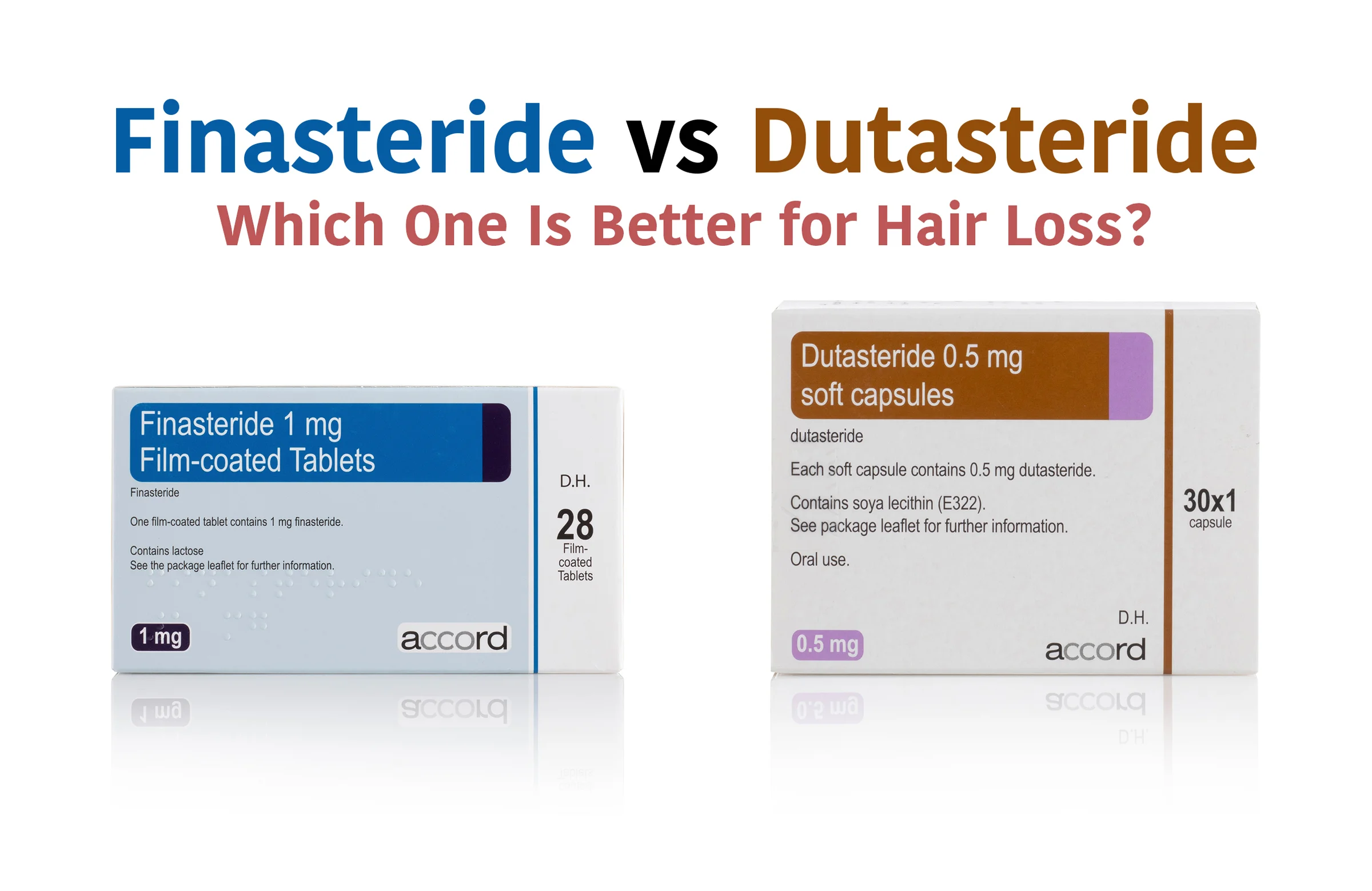
Finasteride vs Dutasteride for Hair Loss in 2026: What UK Men Need to Know
12 Jun 2026
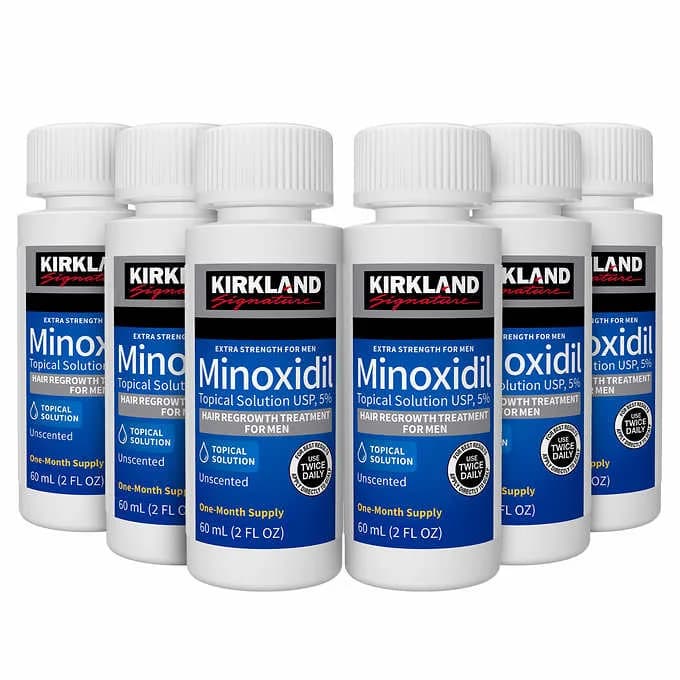
Why Kirkland Minoxidil Isn’t Available in the UK (Unless It’s Fake)
11 Jun 2026
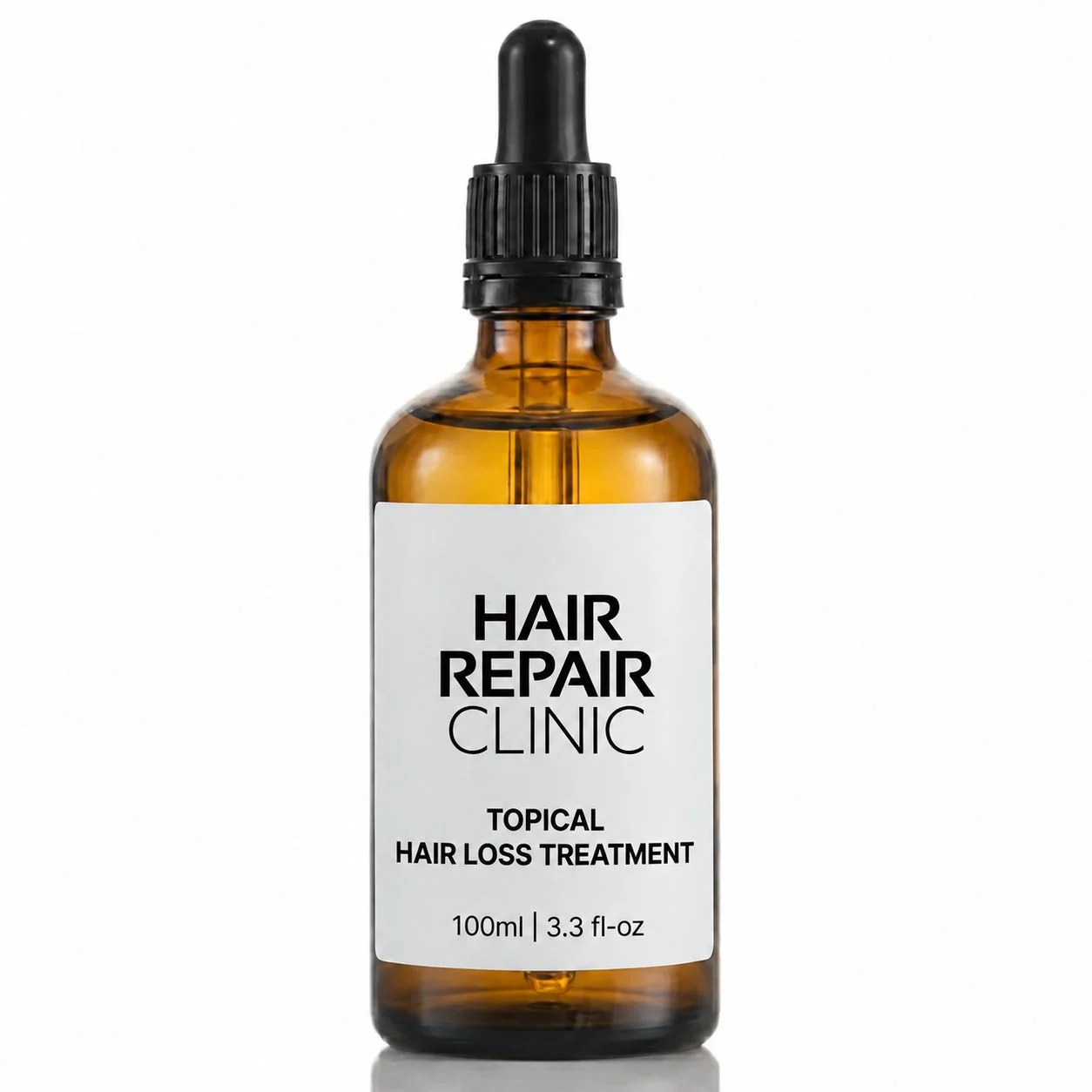
Minoxidil for Hair Loss: How It Works, Strengths and Application
11 Jun 2026
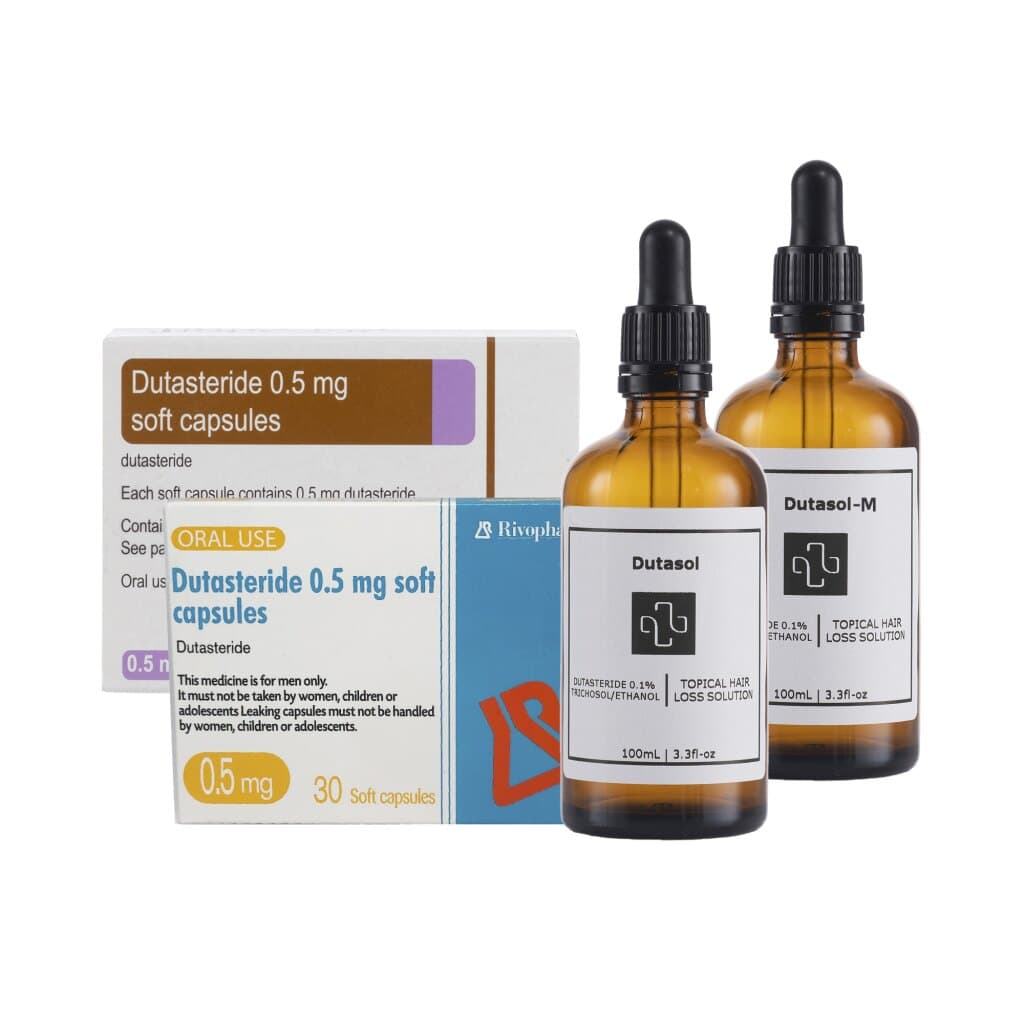
Dutasteride for Hair Loss: How It Works, Who It Is For, and What to Expect
11 Jun 2026
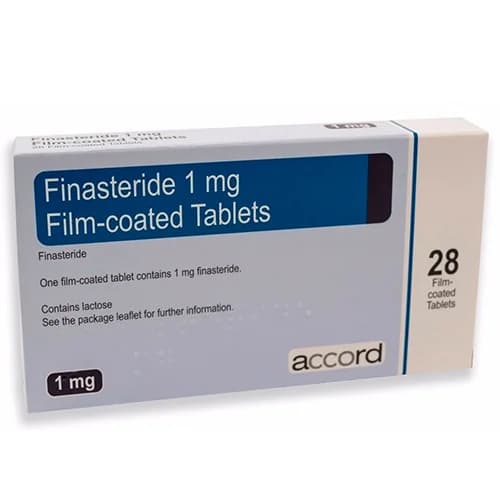
Finasteride for Hair Loss: How It Works, Who It Is For, and What to Expect
11 Jun 2026
Pharma Hermetic Hair Recovery Program: The Natural Solution to Hair Loss in as Little as 8 Weeks
11 Jun 2026