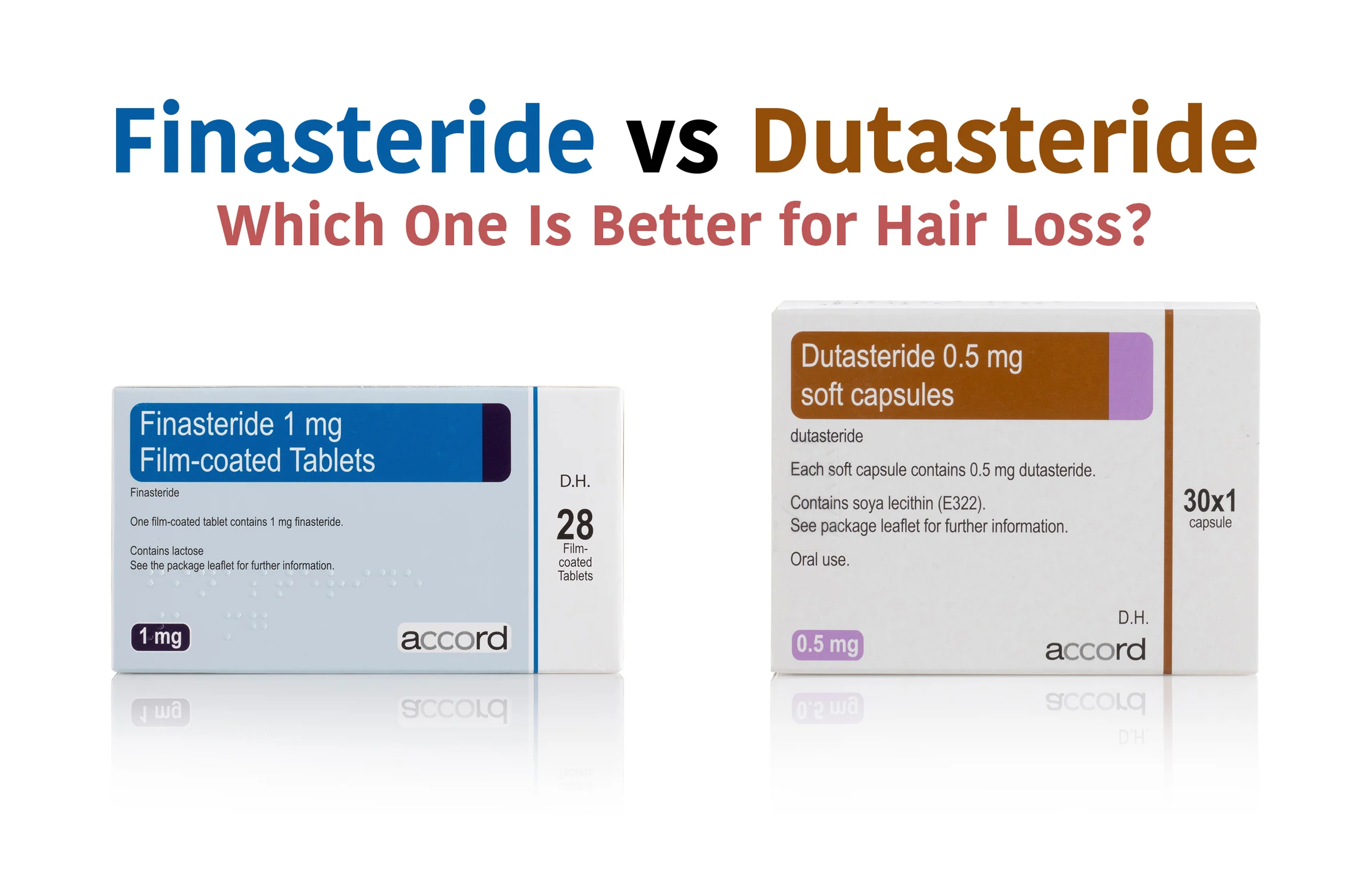
Finasteride vs Dutasteride for Hair Loss in 2026: What UK Men Need to Know
Start here
Hair Loss Treatment UK: Complete Guide
Every UK-available treatment in one place. Read the complete guide →
If you have been looking into hair loss medication in the UK, you will have come across finasteride and dutasteride. Most comparison articles say the same thing: finasteride is the standard choice, dutasteride is stronger but less studied, and dutasteride is not licensed for hair loss. That was broadly accurate a few years ago. The evidence in 2026 paints a more nuanced picture, and if you are making a decision about treatment, it is worth understanding what has actually changed.
How they work
Both finasteride and dutasteride are 5-alpha reductase inhibitors. They work by blocking the conversion of testosterone into dihydrotestosterone (DHT), the hormone that causes hair follicles to miniaturise in men with male pattern baldness.
The difference is how completely they do this. Finasteride blocks only one of the two relevant enzymes (Type II 5-alpha reductase), reducing serum DHT by around 70%. Dutasteride blocks both Type I and Type II, approximately 100 times more potently than finasteride against Type I and around three times more potently against Type II, resulting in a serum DHT reduction of 90 to 98%.
The Type I enzyme is expressed in the skin and sebaceous glands of the scalp. Finasteride leaves that pathway largely active, meaning a significant source of scalp DHT remains even during treatment. Dutasteride closes both doors.
What the latest research shows
A randomised controlled trial published in 2025 compared dutasteride taken two or three times per week against daily finasteride in men with male pattern baldness over 24 weeks. Mean changes in terminal hair count from baseline were 7.74 hairs/cm² for twice-weekly dutasteride, 17.43 hairs/cm² for thrice-weekly dutasteride, and 12.81 hairs/cm² for daily finasteride.
Dutasteride taken three times a week outperformed finasteride taken every day. That matters practically: it raises the possibility of achieving better results with less frequent dosing, which is relevant for anyone thinking about long-term side effect exposure.
A 2025 Bayesian network meta-analysis covering 33 randomised controlled trials ranked dutasteride 0.5mg daily as the most effective monotherapy for male androgenetic alopecia, with the highest efficacy score for total hair density improvement at 24 weeks.
The licensing question: what it actually means in the UK
This is where a lot of UK men get confused. Finasteride is licensed in the UK for male pattern hair loss at 1mg daily; it is what the licence covers and what most GPs will prescribe. Dutasteride is licensed in the UK for benign prostatic hyperplasia (enlarged prostate) but not specifically for hair loss.
That does not mean dutasteride is unavailable or inappropriate for hair loss in the UK. Prescribing a licensed medicine outside its licensed indication, known as off-label prescribing, is entirely legal and common practice in British medicine. The General Medical Council and MHRA both recognise that off-label prescribing is sometimes clinically appropriate when the evidence supports it. UK hair loss specialists and dermatologists routinely prescribe dutasteride for androgenetic alopecia on this basis.
What it does mean is that your GP may be less familiar with dutasteride for hair loss than a specialist clinic would be.
Side effects: the honest picture
Both drugs carry similar listed risks: reduced libido, changes to ejaculation, and erectile dysfunction. These affect a minority of users and typically resolve on stopping treatment.
The key pharmacological difference is how long each drug stays in your system. Finasteride has a short half-life of around six hours; it clears quickly if you stop. Dutasteride has a half-life of around five weeks, meaning any side effects may take longer to resolve after discontinuation.
Interestingly, European pharmacovigilance data suggests that finasteride may not be categorically safer than dutasteride in real-world reporting, a finding that challenges the common assumption that the weaker drug is automatically the lower-risk option.
The honest position is that both drugs are well tolerated by most men who use them. The difference in side effect profile is considerably smaller than the difference in efficacy.
Topical formulations: finasteride vs dutasteride in the UK
Both drugs are now available as prescription topical solutions through UK compounding pharmacies. Applied directly to the scalp, they reduce systemic absorption compared with oral tablets, a meaningful consideration for anyone concerned about libido, ejaculation or long-term systemic exposure.
The two topical solutions we compound in the UK are:
- Topical finasteride: available in 0.01%, 0.025%, 0.05%, 0.1% and 0.2% strengths. 1ml once daily to the scalp. Most starters use 0.025% or 0.05%.
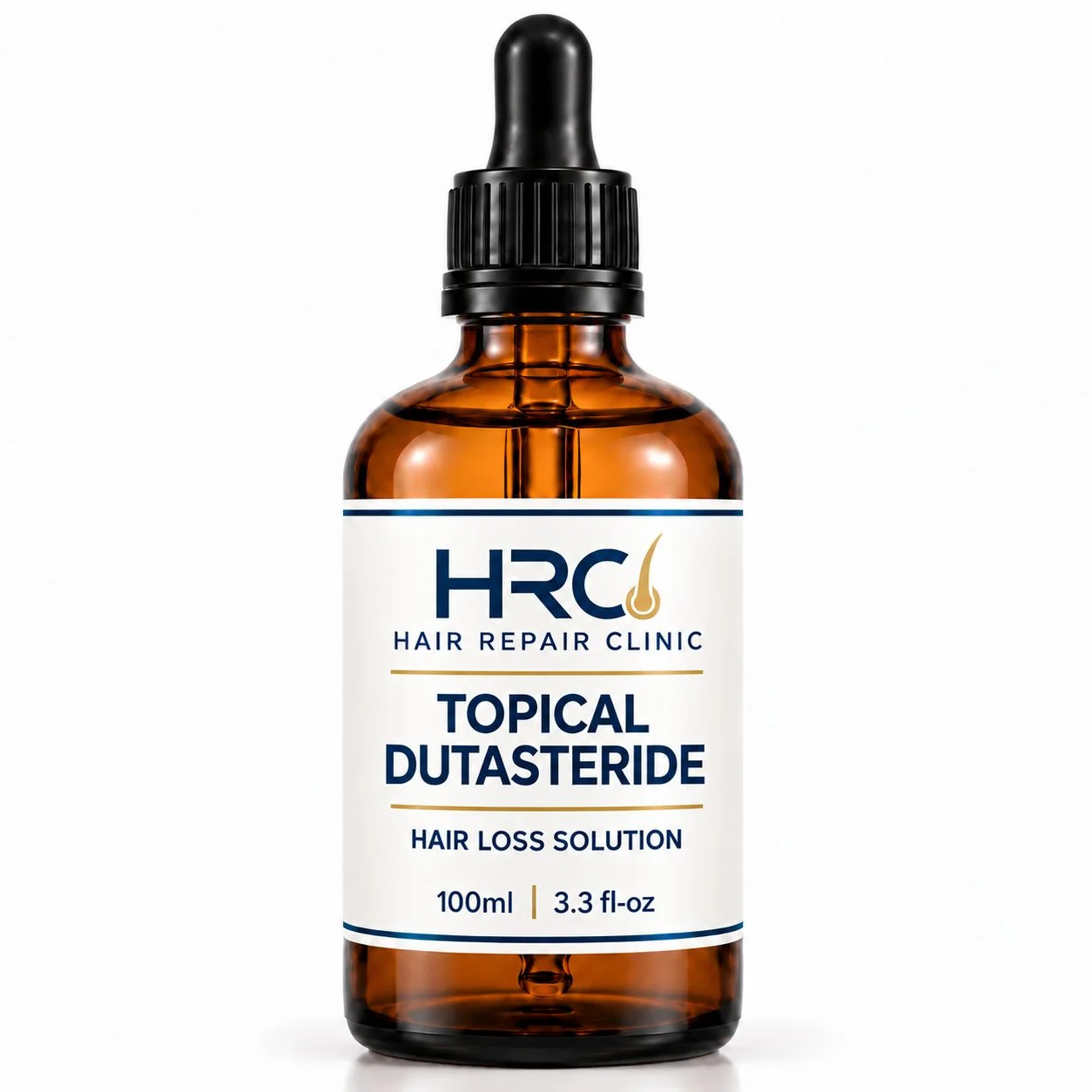
- Topical dutasteride: available in 0.025%, 0.05%, 0.1% and 0.2% strengths. 1ml once daily to the scalp. Higher strengths are typically used by finasteride non-responders.
Both are compounded in the TrichoSol base by Fagron, a low-alcohol, propylene glycol free vehicle that avoids the scalp irritation many people get from standard alcohol-and-glycol solutions.
Topical dutasteride vs topical finasteride: which to choose?
The same principles that separate the oral versions apply at the scalp:
- Topical finasteride blocks scalp Type II 5-alpha reductase locally, giving good DHT suppression at the follicle with lower systemic exposure than oral finasteride. It is the standard topical first-line for most men.
- Topical dutasteride blocks Type I as well, closing the second pathway to scalp DHT. Because Type I is expressed in scalp skin and sebaceous glands, dutasteride's local advantage at the follicle is arguably even more pronounced topically than systemically. Typically used when finasteride has plateaued, or when the pattern is aggressive.
Side effects at topical doses are generally milder than at oral doses because systemic exposure is lower, but they are not zero. Localised scalp irritation is the most common; systemic effects at higher topical strengths (particularly 0.1 to 0.2% dutasteride) are less common than with oral tablets but not absent, and any occurrence should be reviewed with your prescriber.
Neither topical is available on the NHS. Both require a private prescription; a UK prescriber reviews the short online health questionnaire at checkout before your solution is compounded to order.
Which is right for you
Finasteride is a reasonable starting point, particularly for mild or stable hair loss. It has the longer track record for hair loss specifically, is familiar to GPs, and clears your system quickly if needed.
Dutasteride is increasingly the evidence-supported choice for more aggressive hair loss, for men who haven’t responded adequately to finasteride, or for those who want the strongest available medical option. The 2025 data on intermittent dosing is worth discussing with whoever prescribes your treatment.
Neither drug should be started without proper review. Male pattern hair loss is progressive: the decisions you make early have a long-term impact. Our online medical questionnaire is reviewed by a UK GPhC-registered prescriber who will give you a straight answer about your specific pattern and options before any treatment is approved.
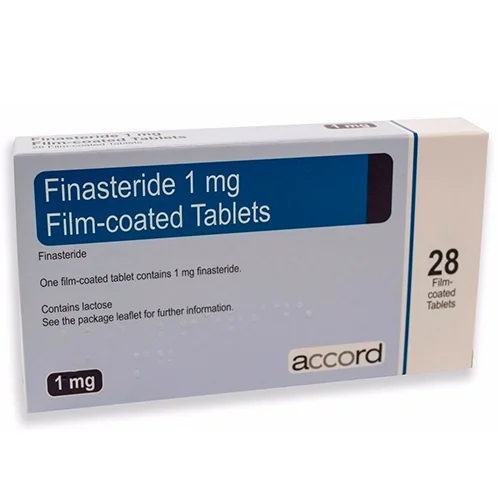
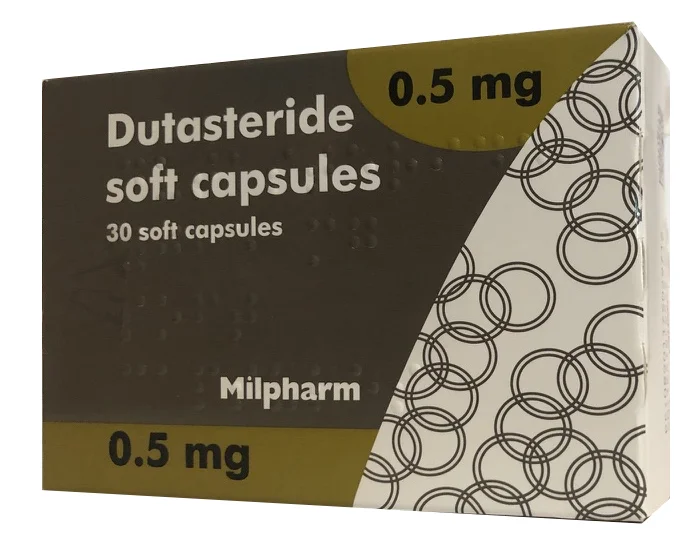
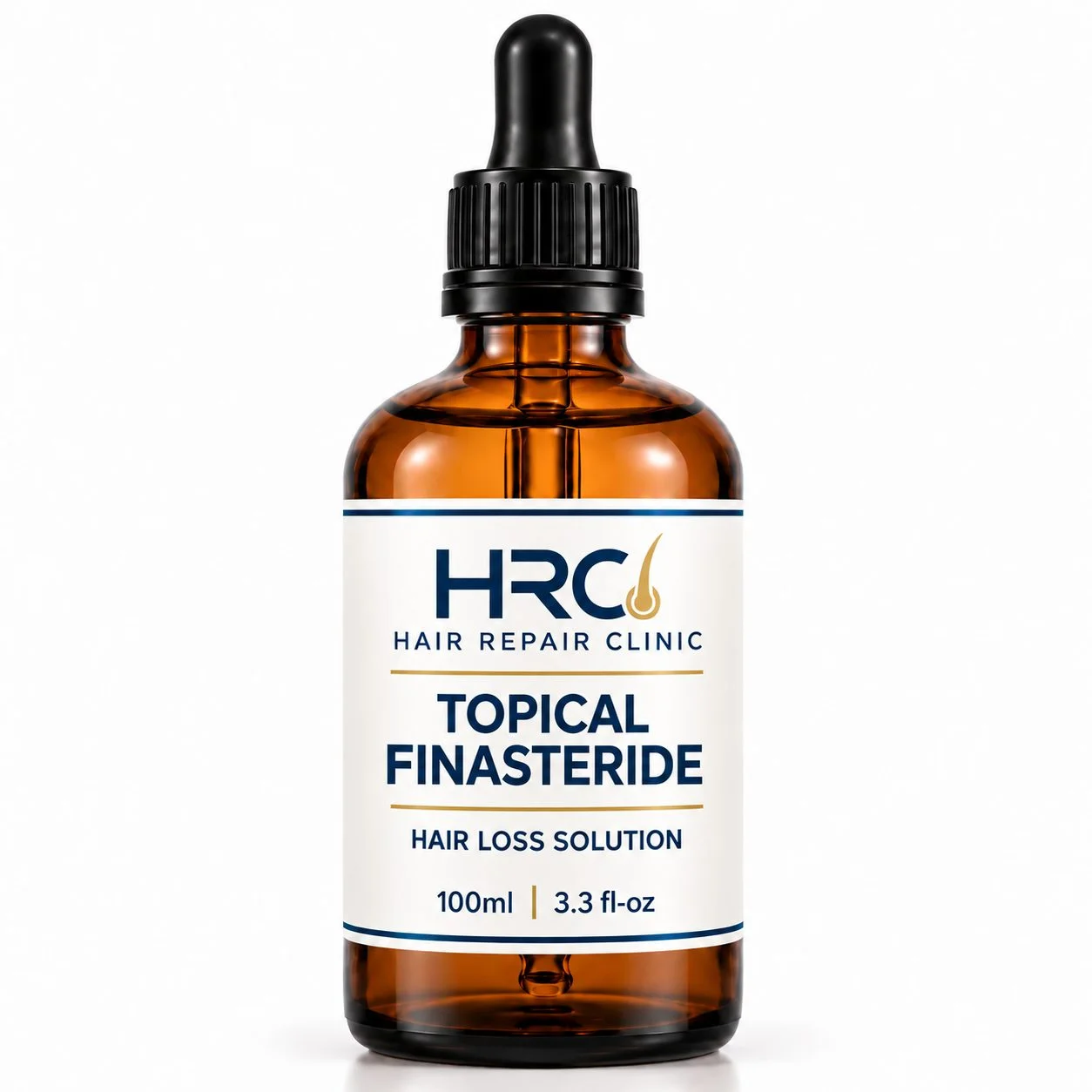
Our finasteride and dutasteride options
Next steps
For the broader UK landscape, see our complete UK hair loss treatment guide. For deeper reads on each drug, our finasteride overview and dutasteride overview cover dosing and clinical detail. For the original side-by-side, see our existing finasteride vs dutasteride comparison.
Frequently asked questions
Is dutasteride more effective than finasteride for hair loss+
Dutasteride blocks both Type I and Type II 5-alpha reductase enzymes, reducing serum DHT by 90 to 98%, compared to finasteride's 70% reduction. Clinical trials show dutasteride produces moderately better hair regrowth in some men, particularly after 12 to 24 months. However, finasteride remains the first line treatment in the UK because it has longer safety data and is licensed for hair loss. The difference in real world results is often modest, and individual response varies significantly.
Can dutasteride regrow hair+
Yes, dutasteride can stimulate hair regrowth and slow hair loss progression. Studies show approximately 60 to 70% of men experience measurable hair count increases or stabilisation within 6 to 12 months. Results peak around 24 months of continuous treatment. Dutasteride's dual enzyme inhibition closes both DHT pathways in the scalp, which may explain why some men achieve better outcomes than with finasteride alone. However, individual variation is significant, and not all users see substantial regrowth.
What are the side effects of dutasteride+
The most commonly reported side effects are sexual dysfunction, affecting 5 to 10% of users, and reduced libido or ejaculation changes. Breast tenderness and mood changes occur rarely. Side effects typically emerge within the first three months and often stabilise or resolve with continued use. Dutasteride remains in your system longer than finasteride due to its long half life; any adverse effects may persist for several months after stopping. Always discuss tolerability with a GPhC registered prescriber before starting treatment.
Is dutasteride safe for long term use+
Dutasteride has a strong safety record for hair loss when taken as prescribed. Long term studies spanning 5 to 10 years show no serious cumulative toxicity or cancer risk. However, because dutasteride is more potent and has a longer half life than finasteride, it carries a slightly higher incidence of sexual side effects in some men. The UK's GPhC registered prescribers routinely assess suitability before dispensing and monitor outcomes. Like all medications, it is not appropriate for everyone, particularly those with certain prostate conditions.
How long does dutasteride take to work for hair loss+
Initial hair shedding may occur within 2 to 8 weeks as the medication shifts follicles from the resting phase to growth. Visible stabilisation or modest regrowth typically appears after 3 to 6 months. Meaningful results usually emerge between 6 and 12 months, with maximum benefit often seen at 18 to 24 months of continuous treatment. Patience is essential; hair growth cycles are slow. If you see no improvement after 12 months, your GPhC registered prescriber can review whether dutasteride remains the right choice for you.
Does finasteride work as well as dutasteride+
Finasteride works well for most men and remains the standard first line treatment in the UK because it is licensed for hair loss and has decades of safety data. Dutasteride's dual enzyme inhibition theoretically offers a modest advantage, achieving 90 to 98% DHT reduction versus finasteride's 70%. In practice, many men respond equally well to finasteride, particularly in the first 12 months. Choice between them often hinges on individual tolerance, prescriber judgement, and whether finasteride has already been tried without satisfactory results.
Is topical dutasteride more effective than topical finasteride?+
The same efficacy hierarchy applies as for the oral versions. Dutasteride blocks both Type I and Type II 5-alpha reductase, so it suppresses scalp DHT more completely, while finasteride only blocks Type II. In practice, most UK prescribers start men on topical finasteride and escalate to topical dutasteride if response plateaus or the pattern is aggressive.
Are side effects less with topical than oral finasteride or dutasteride?+
Generally yes, because systemic absorption is lower when the drug is applied to the scalp rather than swallowed as a tablet. Systemic side effects (libido, ejaculation, mood) are less common with topical use but not zero, especially at higher concentrations. Localised scalp irritation is the most common topical-specific side effect.
Can I switch from oral to topical finasteride or dutasteride?+
Yes, this is a common switch. If systemic side effects have caused you to stop oral treatment, switching to a topical version often lets you maintain DHT suppression at the follicle without the systemic exposure. Discuss the switch with your prescriber; do not stop oral treatment without a plan.
What is the difference between topical finasteride and topical dutasteride?+
Our topical finasteride solution is a Type II 5-alpha reductase inhibitor. Our topical dutasteride solution inhibits both Type I and Type II. Both are compounded in the TrichoSol base by Fagron and applied 1ml once daily to the scalp. Most starters use topical finasteride; topical dutasteride is typically used by finasteride non-responders or in more aggressive loss patterns.
Medical reviewer: Dr Ahmad Moussa MB BCh, MSc, MRCS(Eng), MD, FRCS(SN), NHS Neurosurgeon and Hair Transplant Surgeon.
Published: . Last updated: . Last reviewed: . All prescription medications are dispensed by a GPhC registered UK partner pharmacy.
Disclaimer: this page is for general information only and does not constitute medical advice. Prescription treatments are not appropriate for everyone. Prescription only treatment is supplied only where a UK registered prescriber judges it clinically appropriate after reviewing your online medical questionnaire.
Related Articles
Topical vs Oral Finasteride: Which is Better for Hair Loss in the UK
10 Sept 2026
Why Kirkland Minoxidil Isn’t Available in the UK (Unless It’s Fake)
11 Jun 2026
Minoxidil for Hair Loss: How It Works, Strengths and Application
11 Jun 2026
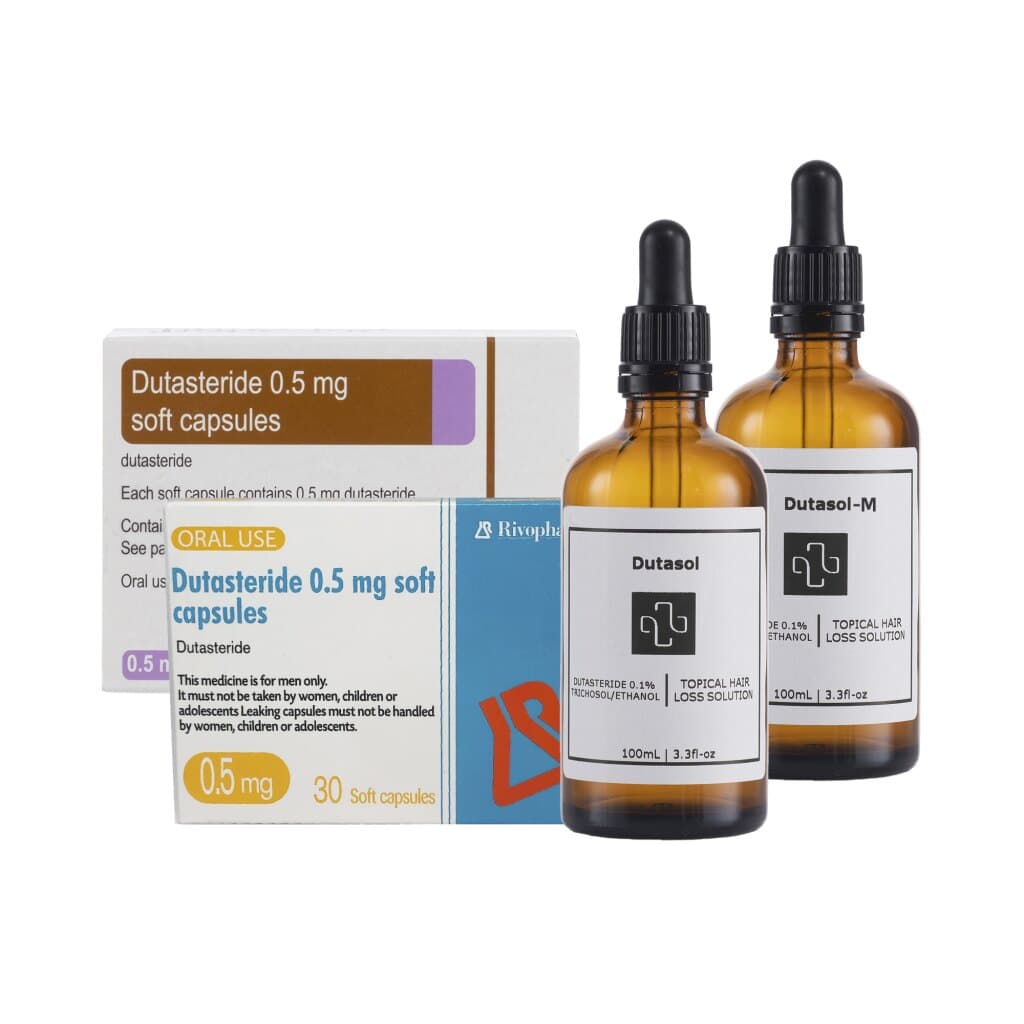
Dutasteride for Hair Loss: How It Works, Who It Is For, and What to Expect
11 Jun 2026
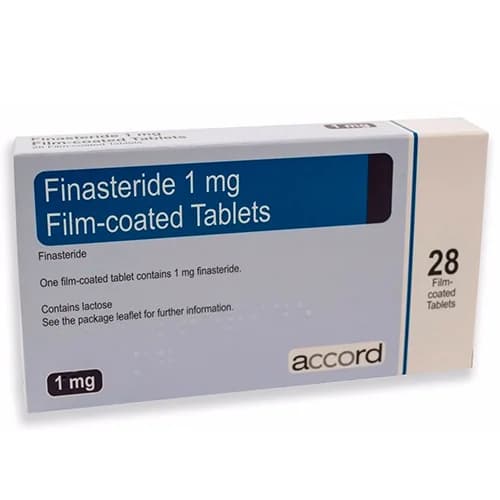
Finasteride for Hair Loss: How It Works, Who It Is For, and What to Expect
11 Jun 2026
Pharma Hermetic Hair Recovery Program: The Natural Solution to Hair Loss in as Little as 8 Weeks
11 Jun 2026