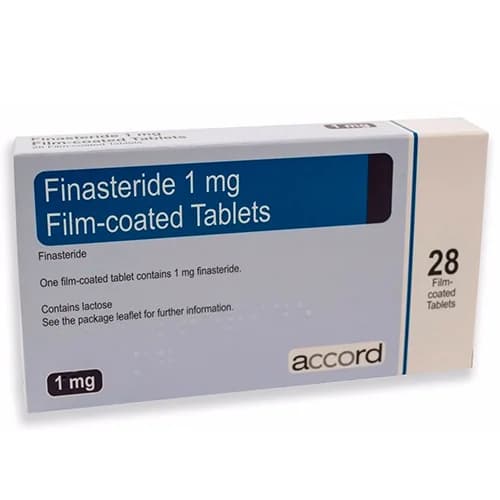
Finasteride for Hair Loss: How It Works, Who It Is For, and What to Expect
There are only 2 medications licensed for the treatment of androgenic alopecia: finasteride and minoxidil.
How Finasteride Works
Finasteride is one of the most popular and effective treatments for hair loss in men. According to clinical trials, oral finasteride can increase hair count by 9% to 10% after one year, and by 15% to 18% after two years of treatment. Topical finasteride can also lower the levels of DHT in the scalp, but not in the serum, which means it does not affect the hormonal balance in the body. Studies have shown that topical finasteride and minoxidil combination therapy can increase hair count, hair thickness, and hair growth more than either medication alone.
Who Is Finasteride For?
Finasteride is most effective in men with mild to moderate hair loss on the top of their head caused by androgenic alopecia. There is little evidence that it is effective in reversing a receding hairline. Finasteride will not work faster or better if you take more than 1 tablet a day or apply more than the recommended amount of solution. Finasteride only stimulates hair growth on the head and will not cause hair to grow elsewhere on the body.
How Long Does Finasteride Take to Work?
Finasteride does not work overnight. It takes time for your hair follicles to respond to the medication and produce new hairs. Generally, you will need to take finasteride daily for 3 to 6 months before you start to see any improvement in your hair loss. You should continue taking finasteride for at least a year to confirm whether it is effective for you. If you stop taking finasteride, your hair loss will resume within 6 to 12 months.
Side Effects
Finasteride is generally well-tolerated, with few and mild side effects. The most common side effects are related to sexual function, such as decreased libido, erectile dysfunction, and ejaculation disorders. These side effects are rare, affecting only 2% to 4% of men who take oral finasteride, and even less of men who use topical finasteride. Moreover, these side effects are usually reversible, meaning they disappear after stopping the medication or continuing the treatment.
Other possible side effects of finasteride include allergic reactions, breast tenderness or enlargement, depression, anxiety, mood changes, and testicular pain. These side effects are very rare and usually mild. If you experience any severe or persistent side effects, you should stop taking finasteride and consult your prescribing pharmacist.
Dosage
The recommended dose for treating hair loss is 1mg per day.
A more cost-effective option for many men is to buy the 5mg tablets and split them in half, taking half a tablet 3 times a week. The results will be the same whichever route you take.
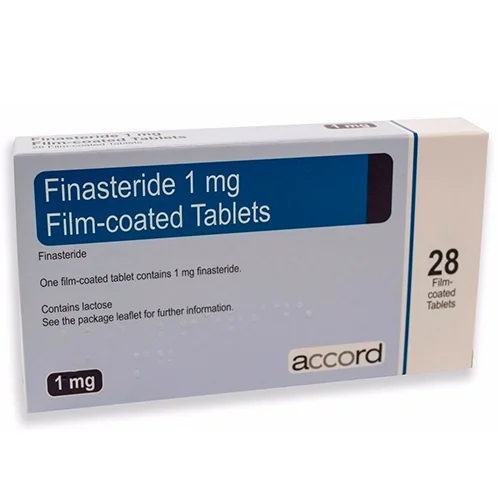
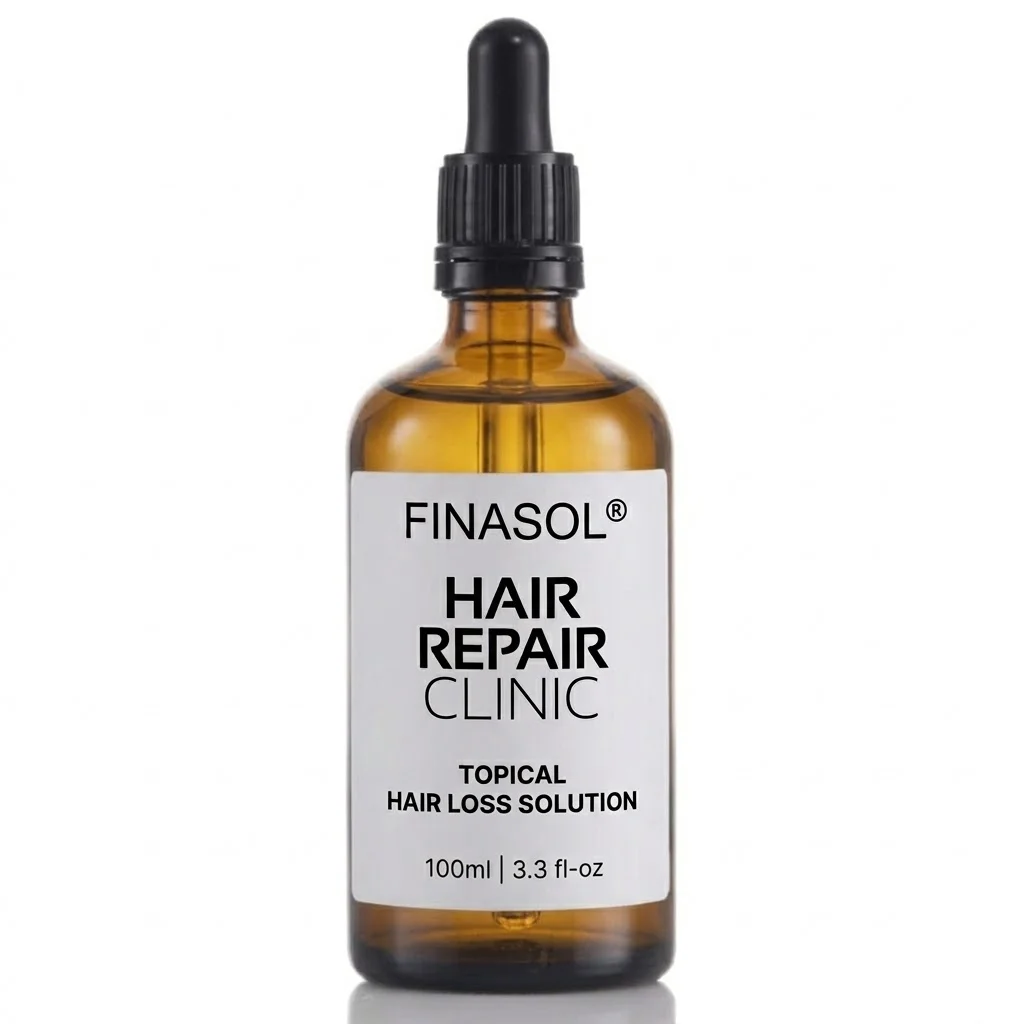
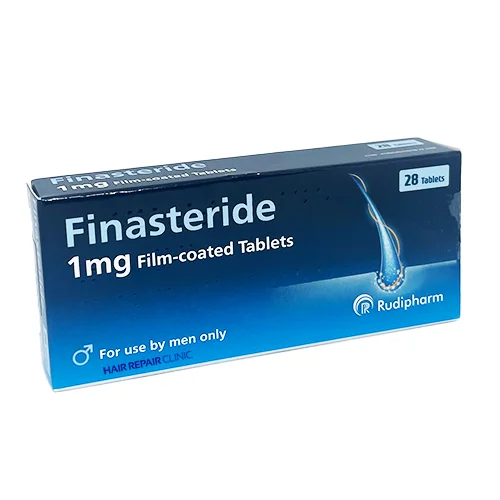
Our Finasteride Treatments
Next steps
For the broader UK landscape and how finasteride fits with topical and combination approaches, see our complete UK hair loss treatment guide or our how to stop hair loss overview. Comparing finasteride against the alternative anti-androgen? Read our finasteride vs dutasteride comparison.
Frequently asked questions
Does finasteride really work?+
Yes. Finasteride is one of the most studied hair loss treatments, with over 30 years of clinical data. In the largest trials, around 90 percent of men either stopped losing hair or saw regrowth after 12 months of daily 1 mg use. It works by blocking the enzyme that converts testosterone to DHT, the hormone that miniaturises scalp follicles in pattern hair loss.
How long does finasteride take to work?+
Most men notice reduced shedding by month 3, visible regrowth between 6 and 12 months, and the full effect by 12 to 18 months. Some experience a short shedding phase in the first 4 to 8 weeks as the hair cycle resets; this is normal and a sign the medication is active. Assess results at 6 months, not before.
What are the side effects of finasteride?+
In clinical trials of oral 1 mg finasteride, sexual side effects (reduced libido, erectile difficulty, ejaculation changes) affected roughly 1 to 4 percent of users, usually resolving on stopping. A small proportion report mood changes. Topical finasteride such as FINASOL limits systemic absorption, which reduces but does not eliminate the risk. The UK prescriber screens for contraindications before approval.
Is finasteride safe long term?+
Yes, for most men. Finasteride has been licensed for hair loss since 1997 and large long term cohort studies show no increase in serious adverse events with multi year use. The most consistent long term risk is a small reduction in fertility while taking it, which reverses on stopping. Annual review with a prescriber is sensible if continuing past 5 years.
Does finasteride affect testosterone?+
Finasteride slightly raises blood testosterone (around 10 to 20 percent) because it blocks conversion of testosterone to DHT. DHT itself drops by roughly 70 percent. Most men do not notice any change in energy, mood or muscle. Bodybuilders and athletes generally tolerate it well, though a small minority report reduced gym performance.
Can I take finasteride forever?+
Yes, and most men who keep their results do. Pattern hair loss is chronic, so stopping finasteride reverses the gains within 6 to 12 months as DHT levels return to baseline. There is no built in stopping point. Annual prescriber review checks tolerance and discusses any side effects.
Medical reviewer: Dr Ahmad Moussa MB BCh, MSc, MRCS(Eng), MD, FRCS(SN), NHS Neurosurgeon and Hair Transplant Surgeon.
Published: . Last updated: . Last reviewed: . All prescription medications are dispensed by a GPhC registered UK partner pharmacy.
Related Articles
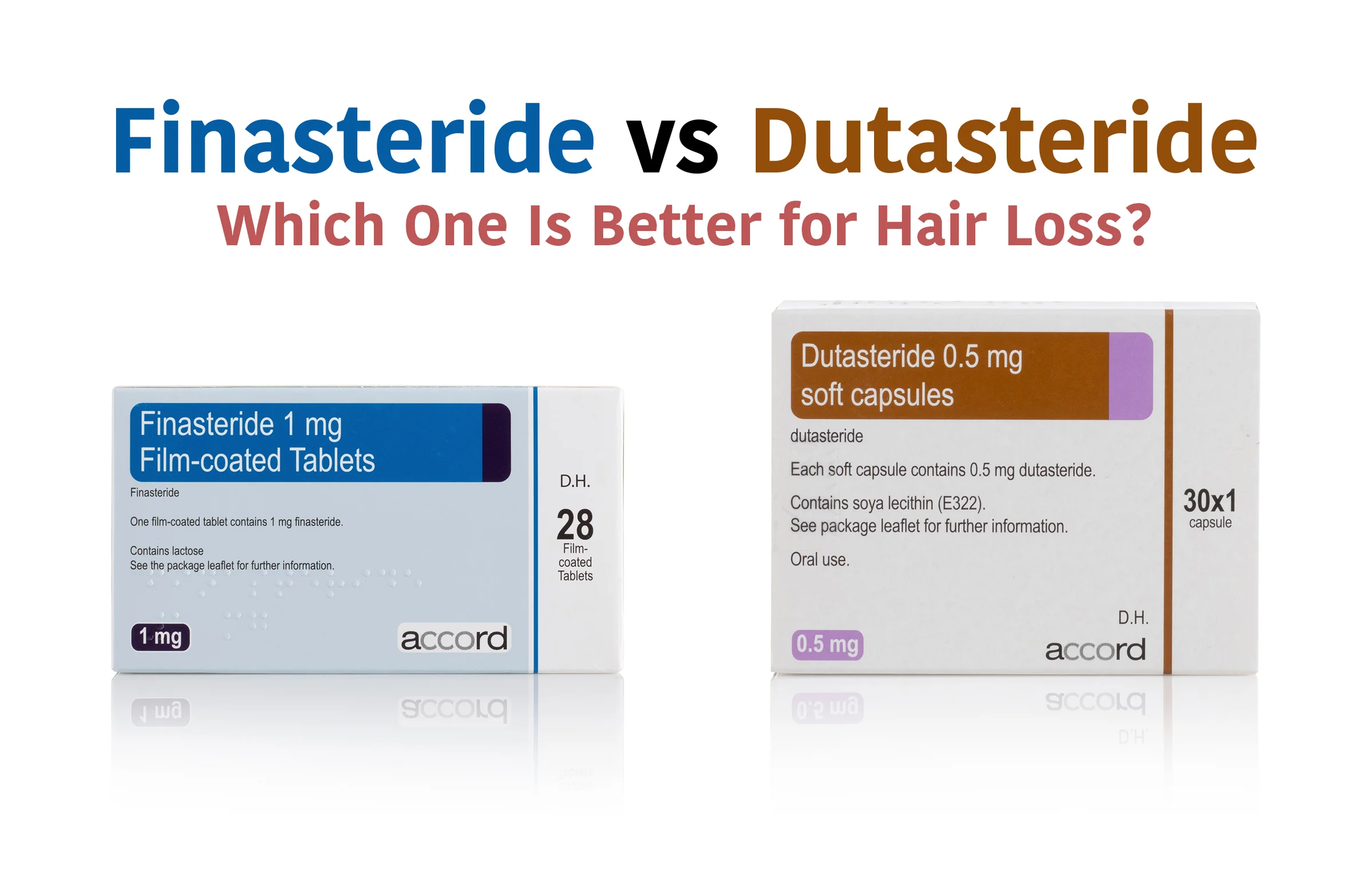
Finasteride vs Dutasteride for Hair Loss in 2026: What UK Men Need to Know
12 Jun 2026
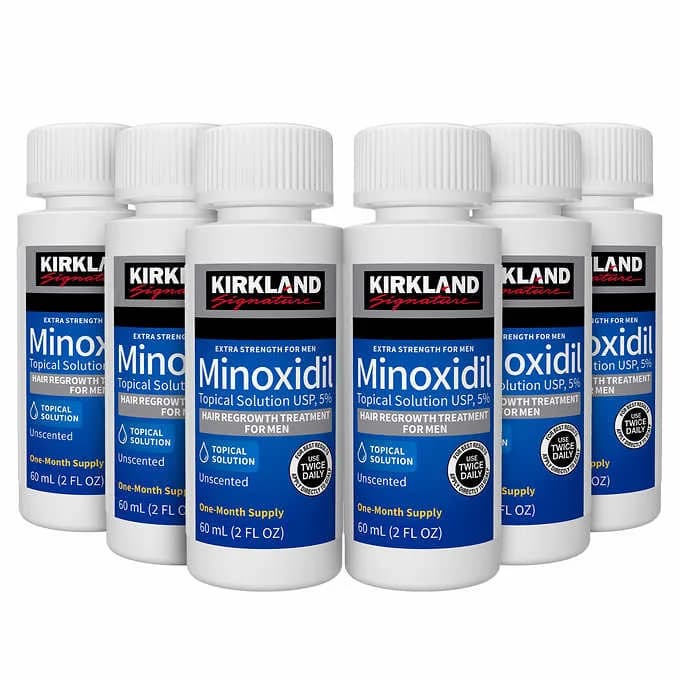
Why Kirkland Minoxidil Isn’t Available in the UK (Unless It’s Fake)
11 Jun 2026
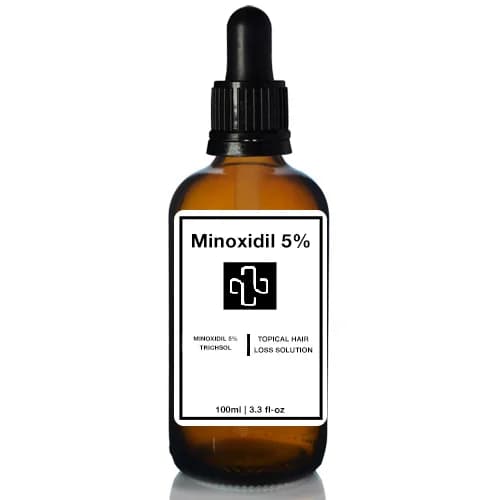
Minoxidil for Hair Loss: How It Works, Strengths and Application
11 Jun 2026
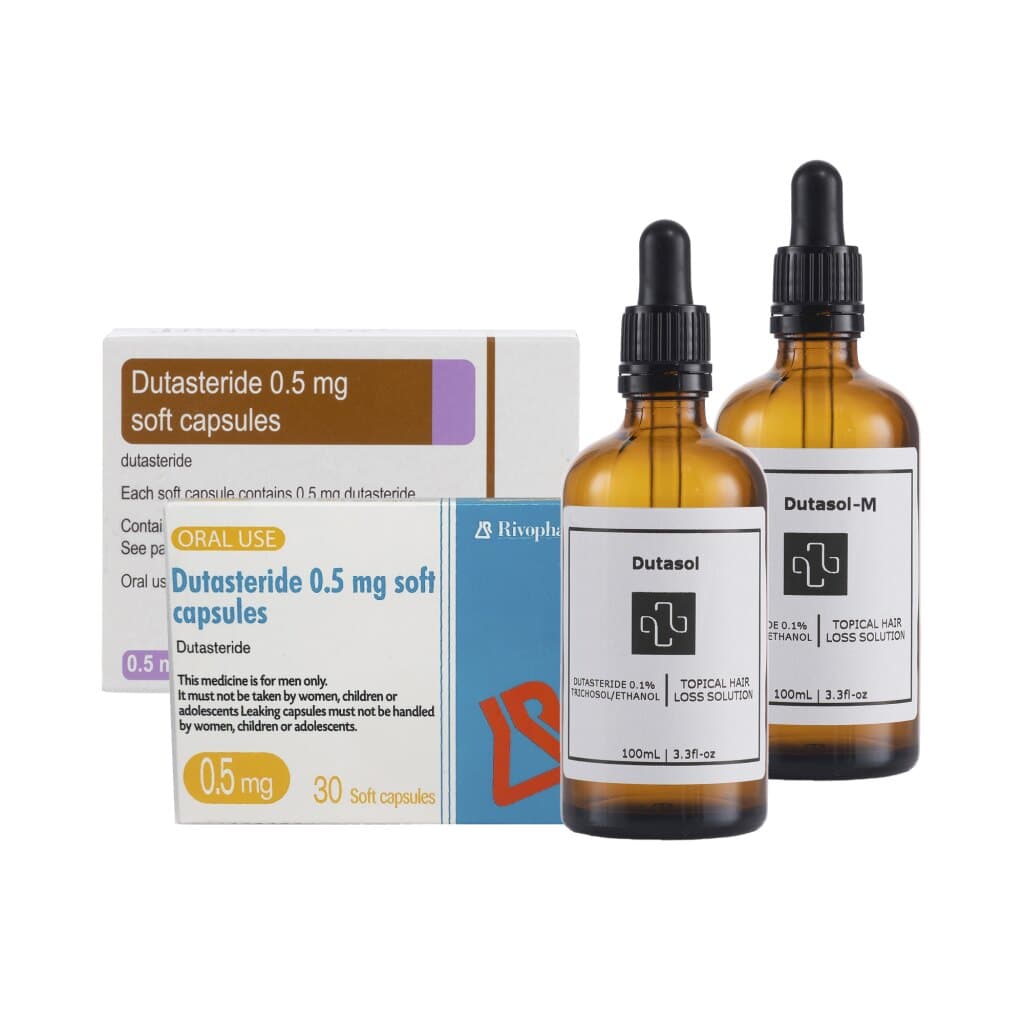
Dutasteride for Hair Loss: How It Works, Who It Is For, and What to Expect
11 Jun 2026

Pharma Hermetic Hair Recovery Program: The Natural Solution to Hair Loss in as Little as 8 Weeks
11 Jun 2026
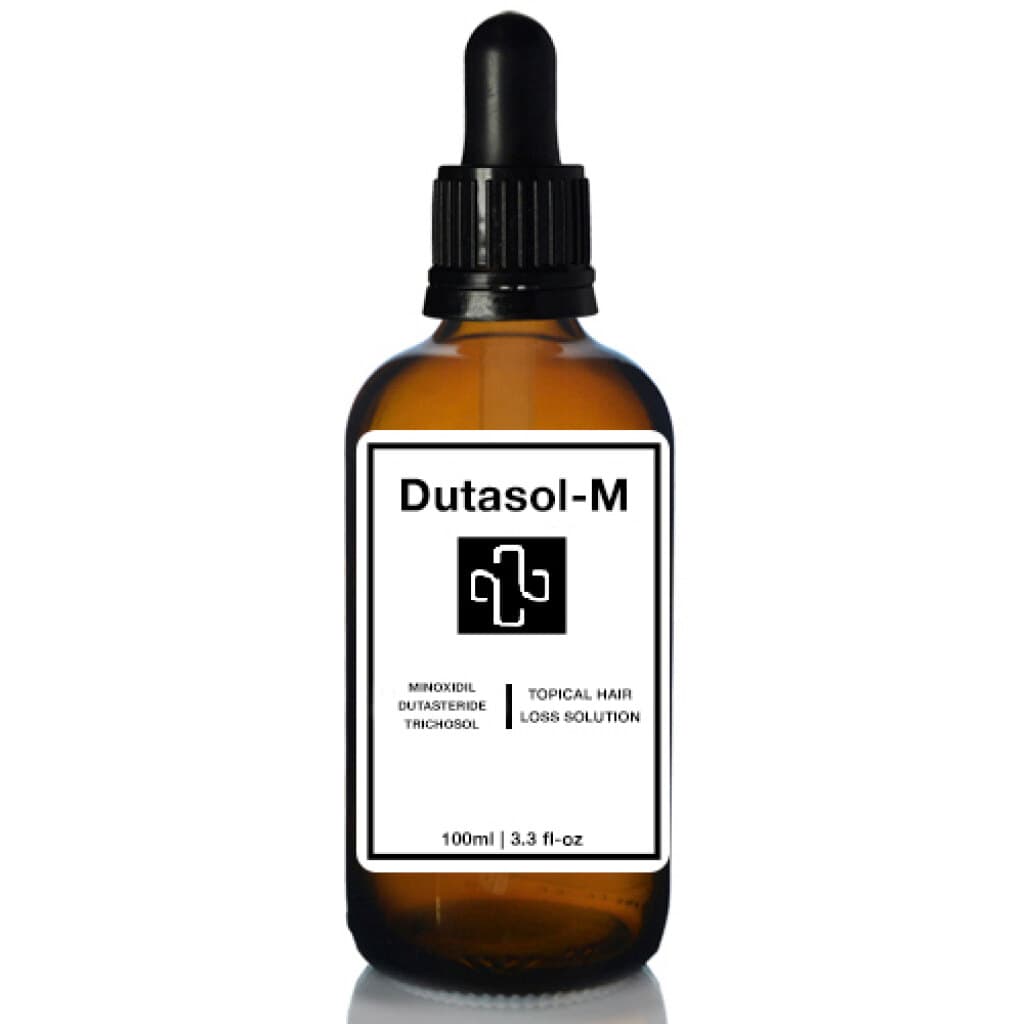
DUTASOL Topical Dutasteride + Minoxidil: UK TrichoSol Compounded Formula
29 Mar 2026